

Why Polarised Lenses Ruin Your Digital Screen Time
Quick answer
Polarised lenses can make digital screens appear completely black or invisible when viewed at certain angles because they block the polarised light that most LCD displays emit. This occurs when the vertical orientation of polarised lenses becomes perpendicular to the screen's light polarisation, typically oriented at 90 degrees, creating a fundamental incompatibility between the two technologies.
Polarised lenses work like microscopic venetian blinds arranged vertically to block horizontally polarised light, which effectively eliminates glare from water, snow, and wet surfaces by filtering up to 99% of horizontal reflections. However, this same filtering mechanism interferes with modern LCD displays found in smartphones, car dashboards, aircraft instruments, and navigation systems. The interference extends beyond personal devices to safety-critical applications – pilots are warned against polarised lenses due to instrument reading difficulties, and drivers may struggle with dashboard visibility. Non-polarised lenses avoid these issues by simply reducing overall light transmission without discriminating between different light orientations, making them more suitable for activities requiring consistent digital screen visibility.
You've probably experienced this frustrating scenario: you're wearing your new polarised sunglasses, trying to check your phone's GPS while driving, and suddenly the screen goes completely black when tilted at certain angles. This isn't a defect – it's exactly how polarised lenses are designed to work, and it reveals a fundamental trade-off that most people don't understand when choosing between polarised vs non-polarised lenses.
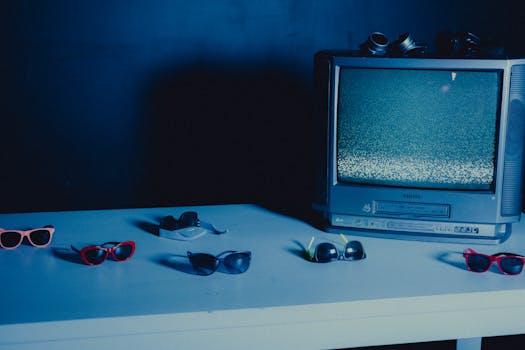
Photo by Connor Scott McManus / Pexels
This screen blackout effect stems from how liquid crystal displays (LCDs) emit light. Most digital screens use polarised light oriented at specific angles, typically 90 degrees. When your polarised lenses are oriented perpendicular to this light, they block it entirely – creating those frustrating dark screens that force you to tilt your head or remove your glasses completely.
The Science Behind Polarised Light Filtering
Polarised lenses contain a special chemical film that acts like microscopic venetian blinds, arranged vertically to block horizontally polarised light. This vertical orientation specifically targets glare from reflective surfaces like water, snow, car hoods, and wet pavement – all of which reflect light horizontally.
Here's what happens at the molecular level:
- Unpolarised light vibrates in all directions as it travels
- When light hits a flat surface at specific angles (typically 37-42 degrees), it becomes horizontally polarised
- Polarised lenses allow only vertically oriented light waves to pass through
- This blocks up to 99% of horizontal glare while maintaining clear vision
Non-polarised lenses, in contrast, simply reduce overall light transmission without discriminating between polarised and unpolarised light. They're essentially neutral density filters that darken everything equally, typically blocking 15-85% of all light depending on the tint density.
Shop the frames in this guide


When Polarised Lenses Actually Hurt Performance
Beyond the obvious screen visibility issues, polarised lenses create several unexpected problems that can compromise safety and performance in specific situations.
Aviation and Instrument Reading
Pilots are specifically warned against polarised lenses because aircraft instruments often use LCD displays. The Federal Aviation Administration notes that polarised lenses can make it impossible to read critical flight information, particularly when instruments are viewed from certain angles during banking manoeuvres.
Ski Slope Ice Detection
Experienced skiers often prefer non-polarised lenses because they need to see the reflective glare off icy patches. This glare serves as a crucial visual cue for identifying dangerous ice that could cause falls. Polarised lenses eliminate this warning signal entirely.
Automotive Dashboard Visibility
Modern vehicles increasingly use LCD displays for speedometers, navigation, and climate controls. Polarised lenses can render these displays invisible or severely dimmed, forcing drivers to constantly adjust their head position or remove their glasses – neither of which is safe while driving.
| Activity | Recommended Lens Type | Reason |
|---|---|---|
| Driving city roads | Non-polarised | Dashboard/GPS visibility crucial |
| Boating/fishing | Polarised | Water glare reduction essential |
| Beach volleyball | Polarised | Sand glare elimination needed |
| Skiing/snowboarding | Depends on preference | Ice detection vs glare comfort |
| Cycling | Non-polarised | Road surface assessment important |
| Golf | Polarised | Green reading and comfort |
The Prescription Lens Complication
Adding prescription power to polarised lenses introduces additional complexity that many opticians don't adequately explain. The polarising filter must be precisely aligned during the lens cutting process, and any rotation during edging can compromise the anti-glare effectiveness.
Professional insight: Prescription polarised lenses require specific axis alignment that corresponds to your frame's base curve. If the lab rotates the lens even 5 degrees during fitting, you'll lose approximately 15% of the polarising effect. This is why some people report that their prescription polarised sunglasses "don't seem as effective" as non-prescription versions.
Progressive Lens Polarisation Challenges
Progressive polarised lenses present unique fitting challenges because the polarising filter covers the entire lens surface, but your eyes naturally scan through different areas for distance, intermediate, and near vision. The varying angles can create inconsistent polarisation effects across the lens zones.
Material and Durability Differences
The polarising filter adds a laminated layer to the lens construction, which affects both optical quality and durability in ways most consumers don't anticipate.
Optical Clarity Impact
High-quality polarised lenses maintain excellent optical clarity, but budget versions often suffer from:
- Colour distortion: Cheaper polarising films can shift colour perception, particularly affecting blues and greens
- Uneven polarisation: Inconsistent filter density creates patchy glare reduction across the lens surface
- Reduced contrast: Over-aggressive polarisation can flatten visual contrast, making depth perception more difficult
Longevity Concerns
Polarised lenses are more susceptible to delamination – where the polarising filter separates from the base lens material. This typically manifests as:
- Bubble formation around the lens edges
- Cloudy patches that develop over time
- Gradual loss of polarising effectiveness
Non-polarised lenses, being simpler in construction, generally offer better long-term durability and are easier to clean without risking filter damage.
Cost-Benefit Analysis for Prescription Wearers
Polarised prescription lenses typically cost €40-80 more than equivalent non-polarised versions, but this premium isn't always justified depending on your lifestyle and visual priorities.
Calculate Your Glare Exposure
Before investing in polarised prescription lenses, honestly assess your daily glare exposure:
- Water activities: More than 2 hours weekly = polarised worth it
- Driving time: More than 1 hour daily = consider non-polarised for safety
- Screen use outdoors: Frequent phone/tablet use = non-polarised more practical
- Sports participation: Ball sports requiring depth perception = non-polarised often better
The Photochromic Alternative
Photochromic lenses offer a compelling middle ground that addresses some limitations of both polarised and non-polarised options. These lenses automatically adjust their tint based on UV exposure while maintaining consistent screen visibility.
However, photochromic technology doesn't provide the same horizontal glare reduction as true polarisation. They excel at overall light management but won't eliminate the intense reflected glare from water or snow that polarised lenses handle so effectively.
Professional Fitting Recommendations
When choosing between polarised and non-polarised prescription lenses, an experienced optician should evaluate several factors specific to your visual needs:
Prescription Considerations
High minus prescriptions (-4.00D and stronger): May benefit more from non-polarised lenses because the increased lens thickness can create optical distortions that compound with polarisation effects.
Astigmatism corrections: Cylinder powers above 1.50D can interact unpredictably with polarising filters, potentially creating visual discomfort that varies with head movement.
Presbyopia corrections: Progressive lens wearers often report better adaptation to non-polarised lenses because there are fewer variables affecting vision through different lens zones.
Making the Right Choice for Your Prescription Eyewear
The decision between polarised and non-polarised lenses ultimately depends on prioritising your most critical visual needs. If you spend significant time around reflective surfaces and rarely need to read digital screens outdoors, polarised lenses offer substantial comfort benefits. However, if screen visibility and dashboard reading are daily requirements, non-polarised lenses provide more consistent performance across varied lighting conditions.
For prescription lens wearers specifically, consider starting with non-polarised lenses for your primary glasses and adding polarised prescription sunglasses as a secondary pair for specific activities like boating, fishing, or beach sports.
At Lensdy, we understand these nuanced decisions matter for your daily comfort and safety. Our prescription lens options start from €29 and include both polarised and non-polarised varieties across our 200+ frame styles. Whether you prefer the classic appeal of our Gleams frames or the bold statement of our Crimson Flair collection, we can customize your lenses to match your specific visual requirements.
Our lens specialists in London (128 City Road, EC1V 2NX) work with leading optical laboratories to ensure proper polarisation alignment and prescription accuracy. We offer free shipping on orders over €59 and can typically deliver across Europe within 1–2 weeks, making it convenient to upgrade your eyewear without compromising on quality or precision.
Ready to find the perfect balance between glare protection and visual clarity? Browse our sunglasses collection or explore the full range at lensdy.com to discover prescription eyewear that truly matches your lifestyle needs.