

Why Polarised Lenses Fail in Unexpected Situations
Quick answer
Polarised lenses fail in specific situations despite their premium reputation because they selectively block horizontally polarised light, which can interfere with digital screens, reduce depth perception, and create visual distortions. Most LCD screens on smartphones, car dashboards, and ATMs emit polarised light that becomes completely black or shows rainbow patterns when viewed through polarised lenses, which is why pilots avoid them due to unreadable instrument panels.
Polarised lenses also mask important visual cues on ice and snow by eliminating texture differences that skiers and snowboarders need to assess surface conditions safely. Additionally, they make stress patterns in modern tempered windshields visible as distracting dark patches while driving. However, polarised lenses excel in water activities, wet road driving, golf, and bright snow conditions where horizontal glare from flat surfaces is the primary concern. The choice between polarised and non-polarised lenses depends on your specific activities—screen-heavy work favours non-polarised options, while water sports benefit significantly from polarisation's glare-cutting properties.
Polarised lenses have earned a reputation as the premium choice for sunglasses, but they're not always the superior option. Understanding the specific scenarios where polarised lenses excel—and where they actually hinder performance—can save you from making an expensive mistake.
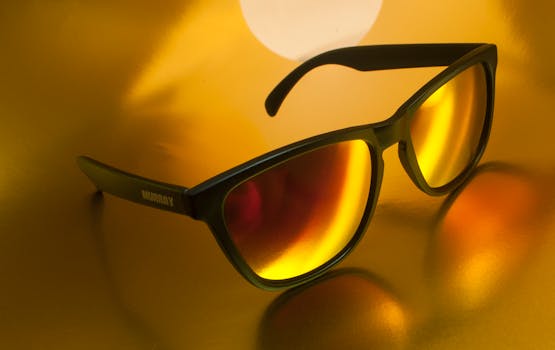
Photo by Murray Official / Pexels
The Science Behind Polarised vs Non-Polarised Lenses
Polarised lenses contain a special filter that blocks horizontally polarised light waves—the type of light that creates glare when it bounces off flat surfaces like water, snow, or car hoods. This filter is embedded between lens layers and oriented vertically, allowing only vertically polarised light to pass through.
Non-polarised lenses, whether tinted or clear, simply reduce the overall amount of light entering your eyes without selectively filtering light waves. They maintain the natural polarisation of light, which proves crucial in certain situations.
Shop the frames in this guide


When Polarised Lenses Create Problems
Digital Screen Interference
Most LCD screens—including smartphones, car dashboards, and ATM displays—emit polarised light. When you wear polarised sunglasses, these screens can appear completely black or show rainbow patterns when tilted. This happens because the polarising filter in your lenses blocks the specific orientation of light from the screen.
Pilots avoid polarised lenses for this exact reason. Aircraft instrument panels become unreadable, creating dangerous situations during flight.
Reduced Depth Perception on Ice and Snow
While polarised lenses excel at cutting glare from snow, they can mask important visual cues about ice patches and surface variations. Skiers and snowboarders often prefer non-polarised lenses because they need to see subtle texture differences in snow conditions.
Windshield Distortion
Modern car windshields have stress patterns from the tempering process. Polarised lenses make these patterns visible as dark patches or bands across your field of vision, which can be distracting while driving.
Where Polarised Lenses Excel
Polarised lenses shine in specific environments where horizontal glare is the primary concern:
- Water activities: Fishing, boating, and beach sports benefit enormously from glare reduction off water surfaces
- Driving on wet roads: Polarised lenses cut through glare from puddles and wet asphalt
- Golf: Early morning dew creates significant glare that polarised lenses eliminate effectively
- Snow sports in bright conditions: When visibility is excellent and glare is the main issue
Lens Technology Comparison Table
| Feature | Polarised | Non-Polarised |
|---|---|---|
| Glare reduction | Excellent (horizontal surfaces) | Minimal |
| Screen visibility | Poor | Excellent |
| Depth perception | Can be compromised | Natural |
| Price range | €80-200+ premium | Standard pricing |
| Durability | Filter can delaminate | More stable over time |
Choosing the Right Lens for Your Lifestyle
High-Tech Professionals
If your work involves frequent screen use outdoors—surveying, construction management, or field research—non-polarised lenses with anti-reflective coating offer better versatility. You'll maintain screen visibility while still getting UV protection and glare reduction.
Water Sports Enthusiasts
For fishing, sailing, or surfing, polarised lenses are nearly mandatory. The ability to see through water surface glare can mean the difference between spotting fish and coming home empty-handed.
Urban Commuters
City drivers face a mixed environment. Consider photochromic lenses with light polarisation—they adapt to changing light conditions while providing some glare control without the extreme filtering of full polarisation.
The Lens Index Factor Most People Ignore
Lens thickness affects polarisation effectiveness. Higher index lenses (1.67 or 1.74) can sometimes interfere with polarising filters, creating visual distortions. If you have a strong prescription, discuss this with your optician before choosing polarised options.
Standard index lenses (1.56 or 1.61) work better with polarising technology and maintain more consistent performance across the lens surface.
Making Your Decision
The polarised vs non-polarised choice isn't about which technology is "better"—it's about matching lens properties to your specific needs. Consider keeping both options: polarised prescription sunglasses for water activities and bright outdoor sports, plus non-polarised options for daily wear and screen-heavy environments.
Many eyewear users find success with photochromic lenses as a middle ground. These lenses darken automatically in bright light while maintaining natural light polarisation, giving you UV protection without the digital screen interference of traditional polarised lenses.
Professional Lens Selection at Lensdy
At Lensdy, we understand that lens choice impacts your daily comfort and performance. Our prescription glasses collection includes over 200 frame styles, from classic options like Tuscany to contemporary designs like BlossomBreeze. Whether you need polarised sunglasses for weekend adventures or clear lenses with anti-reflective coating for office work, our prescription lenses start from just €29.
Based in London at 128 City Road, EC1V 2NX, we ship across Europe with free standard delivery, ensuring you get the right lens technology for your lifestyle without compromise.
Frequently Asked Questions
Can I add polarisation to existing glasses?
No, polarisation must be built into the lens during manufacturing. The polarising filter is embedded between lens layers and cannot be applied as a coating to existing lenses.
Do polarised lenses block more UV than non-polarised?
Not necessarily. UV protection comes from UV-blocking coatings or materials, not polarisation. Both polarised and non-polarised lenses can offer 100% UV protection—check the specifications rather than assuming polarised means better UV coverage.
Why do polarised lenses cost more?
The manufacturing process is more complex, requiring precise alignment of polarising filters during lens assembly. This specialized production, combined with higher material costs, typically adds €50-100 to lens pricing.
Can I wear polarised lenses for night driving?
Never wear any tinted lenses for night driving, polarised or otherwise. Polarised lenses reduce light transmission, making night vision worse and creating safety hazards in low-light conditions.
Ready to find the perfect lens solution for your needs? Browse our complete eyewear collection at lensdy.com and discover why over 10,000 customers trust us for their vision needs.