

What Nobody Tells You About Glasses for Distance and Reading
Shopping for glasses that handle both distance and reading vision feels like solving a puzzle with missing pieces.
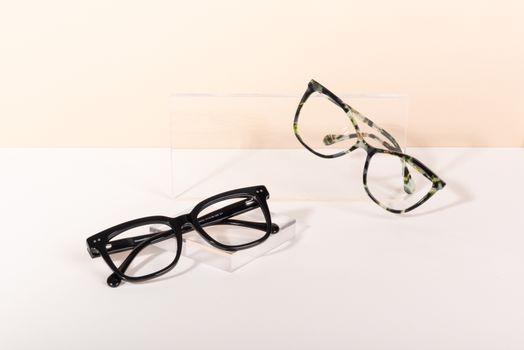
Photo by GlassesShop GS / Pexels
The best glasses for both distance and reading depend on your specific prescription needs and lifestyle demands. Progressive lenses offer seamless vision correction across all distances in a single lens, while bifocals provide distinct zones for distance and near vision. Single vision glasses with reading additions or separate pairs for each task remain viable alternatives that many overlook.
What Are Your Actual Options for Distance and Reading Vision?
Most people assume progressive lenses are the only modern solution for presbyopia, but several approaches can effectively manage both distance and reading vision. Progressive lenses use a gradient of prescription powers from top to bottom, allowing smooth transitions between distance viewing and close-up tasks. Bifocals feature a visible line separating the distance prescription in the upper portion from the reading prescription in the lower section. Trifocals add a middle section for intermediate distances like computer screens. Some individuals prefer separate pairs of single vision glasses—one optimised for distance, another for reading—switching between them as needed. Photochromic lenses can be incorporated into any of these options, darkening outdoors while maintaining the multi-focal capabilities indoors.
Each approach involves trade-offs in visual comfort, adaptation time, and cost. Progressive lenses require a learning period as your brain adjusts to finding the correct viewing zone for different tasks. Bifocals offer immediate clarity in designated areas but create an abrupt visual jump at the dividing line. Separate pairs eliminate optical compromises but require carrying multiple glasses.
Progressive Lens Zones and How They Work
Progressive lenses contain three main viewing zones within a single lens. The upper portion corrects distance vision for activities like driving or watching television. The middle section provides intermediate vision for computer work or reading dashboard displays. The lower section handles close-up tasks like reading books or examining small objects.
The corridor connecting these zones varies in width depending on the progressive design. Wider corridors offer more comfortable head positioning but may increase lens thickness. Premium progressive designs feature advanced algorithms that minimise peripheral distortion, though they command higher prices.
When Bifocals Still Make Sense
Bifocals work exceptionally well for people who primarily need two distinct vision zones without intermediate distances. The visible line, often seen as outdated, actually helps some wearers locate the reading section quickly. Bifocals also cost less than progressives while offering larger reading areas.
Executive bifocals feature a reading section that spans the entire lens width, maximising the near-vision area. This design suits people who do extensive close-up work like crafting or detailed assembly tasks.
Shop the frames in this guide


Which Frame Shapes Work Best with Multi-Focal Lenses?
Frame dimensions directly impact the functionality of progressive and bifocal lenses because these designs require sufficient vertical space to accommodate different prescription zones. Frames measuring at least 28mm in height provide adequate room for progressive lens corridors, while those under 25mm may compress the viewing zones uncomfortably. Rectangle and oval shapes naturally offer more vertical real estate than narrow or cat-eye styles. The lens positioning relative to your pupil also affects performance—progressive lenses work best when your pupil sits slightly above the geometric centre of the frame opening. Wrap-around or highly curved frames can introduce unwanted distortion in multi-focal lenses, making flatter base curves preferable. Frame material impacts weight distribution, with lighter materials like titanium reducing pressure on the nose bridge when lenses are thicker due to higher prescriptions.
Proper fitting becomes crucial with progressive lenses because even small adjustments in tilt or positioning can shift the viewing zones. Frames with adjustable nose pads allow for precise positioning that fixed plastic nose bridges cannot achieve.
Height Requirements for Different Lens Types
Progressive lenses need minimum frame heights to function properly:
- Standard progressives: 28mm minimum height
- Short corridor progressives: 22-25mm minimum
- Bifocals: 25mm minimum for comfortable reading zones
- Trifocals: 30mm minimum to accommodate three distinct areas
Measuring your current frames can help determine compatibility. Use a ruler to measure from the top edge of the lens opening to the bottom edge at the widest point.
Frame Materials That Handle Thicker Lenses
Multi-focal prescriptions often require thicker lenses, especially at higher powers. Titanium frames offer exceptional strength-to-weight ratios, preventing frame distortion under lens weight. Memory metal temples adjust automatically to head shape while maintaining consistent lens positioning.
Acetate frames provide style flexibility but add weight. Choose wider temples to distribute pressure more evenly across the ears. Metal frames with spring hinges accommodate daily wear without loosening over time.
How Do Lens Indices Affect Your Multi-Focal Experience?
Higher refractive index lenses significantly improve comfort and appearance in multi-focal prescriptions by reducing lens thickness and weight. Standard 1.50 index lenses become noticeably thick in progressive or bifocal designs, particularly with prescriptions stronger than ±2.00 dioptres. The 1.61 index reduces thickness by approximately 20% compared to standard lenses, while 1.67 index materials cut thickness by roughly 30%. The premium 1.74 index offers the thinnest possible lenses but costs considerably more and may introduce slight colour aberrations in some lighting conditions. Anti-reflective coatings become essential with higher index materials because they reflect more light than standard lenses. The weight reduction from thinner lenses prevents the glasses from sliding down your nose, maintaining proper progressive lens positioning throughout the day. However, higher index materials are more prone to scratches and require careful handling during cleaning.
The optical properties change subtly across different indices. Higher index materials have lower Abbe values, potentially creating more chromatic aberration—coloured fringes around high-contrast objects—especially in peripheral vision areas.
Choosing the Right Index for Your Prescription
Match lens index to your prescription strength:
- ±0.00 to ±2.00: 1.56 or 1.61 index provides good balance
- ±2.25 to ±4.00: 1.61 or 1.67 index reduces bulk noticeably
- ±4.25 and higher: 1.67 or 1.74 index essential for wearable thickness
Add strength also influences index selection. Reading additions of +2.00 or higher benefit from 1.61 index minimum, even with lower distance prescriptions.
Coating Considerations for Multi-Focals
Anti-reflective coating eliminates distracting reflections that interfere with progressive lens adaptation. Premium AR coatings include oleophobic layers that resist fingerprints and smudges—particularly important on lenses you frequently clean.
Blue light filtering can be incorporated but may slightly alter colour perception. Test this feature if colour accuracy matters for your work or hobbies.
Are There Alternatives to Traditional Progressive Lenses?
Several innovative approaches address the limitations of conventional progressive lenses while maintaining multi-focal functionality. Occupational progressive lenses optimise the lens design for specific working distances, offering larger intermediate and near zones at the expense of distance vision—ideal for office workers who spend most time on computers and paperwork. Digital or freeform progressives use advanced manufacturing to create personalised lens surfaces based on individual wearing patterns and frame measurements, reducing adaptation time and peripheral distortion. Magnetic clip-on systems allow single vision frames to accept removable reading or computer clips, providing flexibility without optical compromises. Some people achieve excellent results with slight under-correction in their distance prescription, naturally extending their reading range without additional lens complexity. Contact lenses combined with reading glasses offer another hybrid approach, though this requires comfort with lens insertion and removal routines.
The clip-on approach deserves particular attention because it eliminates the visual compromises inherent in progressive designs. Your distance vision remains completely unaffected, while the reading clip provides dedicated near-vision correction exactly when needed.
Occupational Lenses for Specific Tasks
Computer progressive lenses dedicate 70% of the lens area to intermediate and near distances, with minimal distance correction at the top. This design suits office environments where distance viewing is limited to occasional glances across rooms.
Reading progressives reverse the traditional layout, placing the reading prescription at the top for crafters or mechanics who look up at close work. The distance correction occupies the lower portion for occasional floor navigation.
Magnetic Clip-On Systems
The Madrid and similar magnetic frames accept interchangeable clips for different vision needs. The base frame contains your distance prescription, while magnetic clips add reading power, blue light filtering, or sun protection as required.
This system particularly benefits people with large prescription differences between eyes or those still adapting to presbyopia. Each eye's correction can be optimised independently without progressive lens compromises.
What Frame Styles Complement Multi-Focal Prescriptions?
Certain frame designs enhance both the functionality and appearance of multi-focal lenses while others create unnecessary complications. Classic rectangular shapes like the Isabella provide ample vertical space for progressive corridors while maintaining professional aesthetics that work across age groups. Slightly oversized frames offer more forgiving lens positioning—small adjustments in wearing position won't immediately shift you out of the optimal viewing zones. Frames with adjustable nose pads, commonly found in metal designs, allow precise fitting that maintains proper progressive lens alignment throughout the day. Avoid extremely curved or wrap-around styles that introduce unwanted prism effects in the lens periphery, making adaptation more difficult. Rimless designs can work well but require careful consideration of lens thickness, particularly with stronger prescriptions where the lens edge becomes visible. Full-rim frames conceal lens edges completely while providing maximum durability for daily wear. The frame colour should complement your features without drawing attention away from your eyes, as multi-focal lenses already create subtle optical effects that some observers notice.
Frame stability becomes paramount with progressive lenses because any shifting changes the relationship between your eyes and the lens zones. Look for frames that maintain consistent positioning without constant adjustment.
Trending Styles That Work with Progressives
Modern acetate frames like the Lumina Pink offer contemporary styling with sufficient lens height. Oversized acetate provides fashion-forward looks while accommodating progressive lens requirements.
Vintage-inspired metal frames combine classic appeal with practical functionality. The Doppler Brown exemplifies this balance, offering adjustable fit components within a timeless design framework.
Professional vs. Casual Frame Selection
Business environments often favour understated metal frames in silver, gold, or black finishes. These complement professional attire without appearing trendy or distracting during presentations or client meetings.
Casual settings allow for bolder acetate colours and patterns. Consider your lifestyle balance—frames worn primarily for leisure can emphasise personal style over conservative appeal.
How Much Should You Expect to Invest in Quality Multi-Focal Glasses?
Multi-focal glasses represent a significant investment that varies considerably based on lens technology, frame materials, and additional features you select. Basic progressive lenses in standard frames typically start around €200-300 for complete glasses, while premium digital progressives with high-index lenses and advanced coatings can exceed €600-800. The lens technology accounts for the majority of this cost—progressive lens blanks require sophisticated manufacturing processes that single vision lenses do not. Frame selection adds €50-400 depending on materials and brand positioning, with titanium and designer acetate commanding premium prices. Higher refractive indices necessary for stronger prescriptions add €50-150 to the base lens cost, while anti-reflective and other protective coatings contribute another €30-80. Many people underestimate the value of professional fitting and adjustment services, which ensure optimal performance from their investment. Consider the cost per day of wear—glasses used daily for several years represent excellent value even at higher initial prices. Insurance coverage varies widely, with some plans contributing significantly toward progressive lenses while others offer minimal support.
The hidden costs include potential remake fees if initial prescriptions require adjustment, replacement costs for damaged lenses, and backup pairs for critical activities like driving or work.
Budgeting for Your First Progressive Lenses
Plan for potential adaptation challenges with your first progressives. Some people require prescription modifications or different progressive designs, leading to additional costs within the first few months.
Budget breakdown for quality progressives:
- Frame: €80-250 for durable, properly-sized options
- Progressive lenses: €150-400 depending on design complexity
- High-index upgrade: €50-120 for prescriptions over ±2.00
- Anti-reflective coating: €40-80 for premium options
- Professional fitting: Often included but worth €50+ value
When to Consider Backup Pairs
Progressive lens wearers benefit from backup glasses more than single vision users because adaptation creates dependency on the specific lens design. A backup pair with the same progressive type ensures consistent vision if primary glasses break or require repair.
Consider separate computer glasses for extensive screen work. These occupy a different niche than your primary progressives and may prevent eye strain during long work sessions.
Frequently Asked Questions
How long does it take to adjust to progressive lenses?
Most people adapt to progressive lenses within 1-2 weeks of consistent wear. Initial symptoms like mild dizziness or difficulty finding the reading zone typically resolve as your brain learns to navigate the different lens areas automatically. Wearing progressives full-time during the adaptation period speeds the process compared to switching between old and new glasses.
Can I use progressive lenses for computer work?
Standard progressive lenses work for occasional computer use, but dedicated computer progressives offer superior comfort for extended screen time. These specialised lenses enlarge the intermediate zone optimised for monitor distances while reducing the distance portion you rarely need indoors. The reading zone handles keyboards and paperwork effectively.
Do I need different progressive lenses for driving?
Most progressive lenses handle driving well through their distance zone, but some people struggle with dashboard visibility or mirrors. Photochromic progressive lenses eliminate the need for separate prescription sunglasses while maintaining all vision zones. Avoid wearing new progressives for the first time while driving—complete your adaptation period with familiar activities first.
What happens if my progressive lenses don't work for me?
Adaptation difficulties may indicate incorrect measurements, inappropriate frame selection, or prescription changes since your eye exam. Consult your optician about lens modifications or alternative progressive designs before abandoning the multi-focal approach entirely. Some people achieve better results with bifocals or separate single vision pairs.
Finding Your Ideal Distance and Reading Solution
The journey to perfect distance and reading vision requires patience and realistic expectations. Progressive lenses offer the most seamless experience once mastered, but they're not the only path to visual freedom.
Consider your specific needs: extensive computer work may favour occupational progressives, while varied daily activities suit traditional progressive designs. Active lifestyles might benefit from magnetic clip-on systems that adapt quickly to changing vision demands.
At Lensdy, we understand that choosing multi-focal glasses involves balancing optical performance, comfort, and style. Our collection of over 200 frames includes options specifically suited to progressive and bifocal lenses, with heights and adjustability features that ensure proper lens function.
Based in London at 128 City Road, EC1V 2NX, we offer affordable prescription lenses with the high-index materials and anti-reflective coatings that make multi-focal glasses truly comfortable. Our progressive lens options include both standard and digital designs to match your prescription needs and budget requirements.
Browse our prescription glasses collection to find frames that complement your multi-focal lenses perfectly. With free shipping on orders over €59 and delivery across Europe within 1-2 weeks, investing in quality distance and reading glasses has never been more accessible.
Visit lensdy.com today to explore frames designed for progressive lens success and start your journey toward effortless distance and reading vision.