

How to Bend Flexible Glasses Frames Without Breaking Them
Flexible glasses frames can bend back into shape after being twisted or dropped, but that doesn't mean you can reshape them however you like. Memory metal, TR90 and acetate each react differently to bending, and the wrong method can crack a frame, loosen a hinge or pop a lens out.
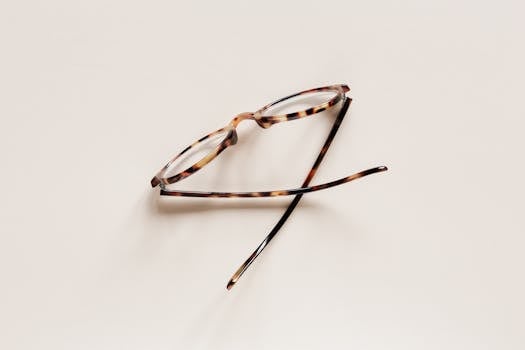
Photo by https://kaboompics.com/ / Pexels
Opticians adjust frames with small, controlled movements and the right tools, and they know how far each material will go. You can make small tweaks at home if you work the same way: slowly, a little at a time, and never at the hinge.
Understanding Your Flexible Frame Material
Not all flexible frames bend the same way. The adjustment technique depends entirely on your frame's construction material and flexibility mechanism.
Memory Metal Frames
Memory metal is a nickel-titanium alloy. It is superelastic: you can twist it and it springs back to its original shape. That is what makes it hard to drop or sit on, but it also means it resists being adjusted. A memory metal temple that is too tight or too loose often won't hold a new bend.
Many memory metal frames only use the alloy in the bridge or temples, with ordinary metal parts and hinges elsewhere. Those other parts bend and stay bent, so check which part of your frame is actually flexible before you push on it.
TR90 and Acetate Frames
TR90 is a flexible nylon-based polymer. It bends under pressure and returns to shape, which makes it popular for sports frames, but like memory metal it doesn't take a new shape easily. Acetate is stiffer. It can be reshaped, but opticians do it by warming the frame first, and cold acetate bent too far can crack.
For example, the Pulse sunglasses and CourtSharp sports glasses are TR90, while Phoenix is a semi-rimless acetate frame, so the two need different handling.
Professional Frame Adjustment Technique
Step 1: Know What You're Bending
Check the product page or the inside of the temple to find out what your frame is made of. If you aren't sure, treat it as the least forgiving material and go gently.
Never bend at the hinge or around the lenses. These parts aren't made to flex, and pressure there can crack the frame or loosen the lens.
Step 2: Be Careful With Heat
Heat is how opticians soften acetate, using a frame warmer that heats evenly. A hair dryer at home is risky: it heats unevenly, can warp the frame and can damage lens coatings. Memory metal and TR90 are made to spring back, so heating them at home rarely helps and can harm the lenses. If an acetate frame needs more than a tiny tweak, an optician is the safer choice.
Step 3: Use Both Hands
Spread the pressure instead of forcing one point:
- Hold the frame front steady with one hand and bend the temple with the other, away from the hinge
- Apply gentle, steady pressure rather than quick movements
- Make a very small change, then try the glasses on
- Repeat gradually until you achieve the desired angle
Step 4: Test Frame Recovery
Put the glasses on and check that they sit level and don't pinch behind the ears. If a hinge now feels loose or wobbly, stop and have it looked at.
Common Adjustment Mistakes That Break Frames
| Mistake | Consequence | Correct Method |
|---|---|---|
| Bending at the hinge | Hinge mechanism damage, loose temples | Bend the temple, never the hinge |
| Bending cold acetate too far | Cracks, especially near the hinge | Small changes only, or ask an optician to warm and adjust it |
| Heating with a hair dryer | Warped frame, damaged lens coatings | Leave heat adjustments to an optician |
| Rapid, forceful movements | Stress concentration, sudden failure | Slow, controlled pressure application |
How Far Can Each Material Go?
Memory metal: it flexes a lot and springs back, but it rarely holds a new shape. If the fit is wrong, adjusting the nose pads or the non-memory parts is usually easier than bending the alloy.
TR90: very forgiving of knocks, but like memory metal it tends to return to its moulded shape.
Acetate: can be reshaped, but only in small steps and best with proper warming by an optician.
Hybrid construction frames: Follow the most restrictive material's limits. If your frame has a metal front with acetate temples, treat the temples as acetate.
When Professional Adjustment Is Required
Some adjustments exceed safe DIY limits and require professional optical equipment:
- Nose pad adjustments: Small pad arms bend easily and snap easily
- Lens angle (pantoscopic tilt): Affects prescription accuracy, needs optical verification
- Bridge width modification: Structural changes that can't be reversed
- Frame face curve adjustment: Changes the lens-to-eye distance, affecting vision correction
Maintaining Flexible Frame Longevity
Daily Care Practices
Flexible frames maintain their properties longer with proper handling. Always remove glasses with both hands to prevent single-sided stress. Store in a hard case to prevent accidental bending during transport.
Temperature Considerations
Don't leave glasses on a car dashboard in summer. Strong heat can warp plastic frames and damage lens coatings, whatever the frame is made of.
If you need a frame that copes with knocks during sport, a TR90 sports frame such as CourtSharp is a better choice than bending an everyday pair into shape.
Troubleshooting Common Flex Issues
Frame Won't Hold Adjustment
If your flexible frame keeps returning to an unwanted position, the material has likely been over-stressed. With memory metal or TR90 that is often just the material doing its job. Ask an optician whether the fit can be fixed with the nose pads or temple tips instead.
An acetate frame that keeps drifting back usually needs to be warmed and set properly by an optician.
Reduced Flexibility Over Time
A frame that feels stiffer than before is often stiff at the hinge, not in the material. Clean the hinges with mild soapy water and dry them. If a hinge screw has tightened or corroded, an optician can service it.
Uneven Temple Flexibility
When one temple feels stiffer than the other, it usually indicates uneven wear or damage. Check for hairline cracks or stress whitening in acetate frames, or bends and kinks in metal temples.
Advanced Adjustment Techniques
Multi-Point Gradual Adjustment
For anything more than a small tweak, work in stages. Make part of the change, wear the glasses for a day, then decide whether you need more. Big changes in one go are how frames crack.
Compensation Bending
When adjusting one temple, apply a proportional counter-adjustment to the opposite side. Flexible frames maintain better structural balance when stress distribution remains symmetrical.
Professional vs DIY: When to Choose Each
A small change to how the temples curve behind your ears is fine to try at home. However, complex fitting issues like correcting face curve mismatch or nose bridge height problems require professional optical tools.
Many opticians adjust frames for a small fee or for free. If you bend a frame yourself and it breaks, that damage is usually on you, so weigh the risk before you start.
Choosing Quality Flexible Frames
Check that the material is named clearly (memory metal, TR90, titanium or acetate). Be wary of frames that claim "unbreakable" or "unlimited flexibility", because every material has limits.
At Lensdy, the TR90 frames such as Pulse and CourtSharp bend under pressure and spring back, and the pure titanium frames are light and strong. Prescription lenses start at €29, in single vision or progressive. Shipping is free on orders over €59, and most orders arrive within 1 to 2 weeks.
Browse the titanium glasses collection, or look at Bomb Pink, a soft pink semi-round frame in pure titanium.
Frames mentioned in this article


Frequently Asked Questions
How many times can I safely adjust flexible glasses frames?
There's no set number. Everyday flexing is what flexible frames are made for, but every deliberate reshape stresses the material a little, especially acetate and ordinary metal. Make as few big adjustments as you can, and get the fit right once rather than bending back and forth.
Can I fix a flexible frame that's lost its memory properties?
Usually not at home. A memory metal or TR90 frame that has stopped springing back has been overstressed, and an acetate frame that has warped may only partly recover with warming by an optician. Ask an optician to look at it before you try anything.
Why do my flexible frames feel tighter on one side after adjustment?
Uneven adjustment pressure or different temple flexibility often causes this. Check that you bent both temples the same amount, and verify that neither temple shows signs of stress damage or uneven wear.
Should I adjust new flexible frames immediately or wait?
Wear them for a few days first. New glasses often feel odd at the start, and some fit issues stop bothering you once you're used to them. If they still pinch or slide after that, adjust them or ask an optician.
Looking for a frame that copes with daily knocks? Browse Lensdy's eyeglasses and sunglasses and check the frame material on each product page.