

6 Shopping Mistakes That Lead to Overpriced Sunglasses
Quick answer
The most common mistakes that lead to overpriced prescription sunglasses are lens type confusion, unnecessary upgrades, and brand markup exploitation. These errors typically cost buyers an average of €180 more than necessary.
The biggest trap involves progressive lens pricing, where retailers quote base prices then add €150-200 upgrades during checkout when progressive lenses should only add €40-80 maximum. High-index lens upselling represents another major cost, with markups reaching 400-500% even when standard 1.56 index lenses work perfectly for prescriptions under ±2.00. Photochromic lenses create poor value since they don't darken effectively in cars and cost €60-120 extra, while fixed-tint options often cost the same as clear lenses. Designer frame markups reach 1000-2000%, despite most brands manufacturing in the same factories. Quality indicators like spring hinges, acetate thickness, and metal welding matter more than logos for durability and comfort.
Prescription sunglasses shouldn't cost €300-500, yet millions of people pay these inflated prices every year. The optical industry has created a maze of confusing pricing structures, unnecessary add-ons, and marketing tactics that separate consumers from their money.
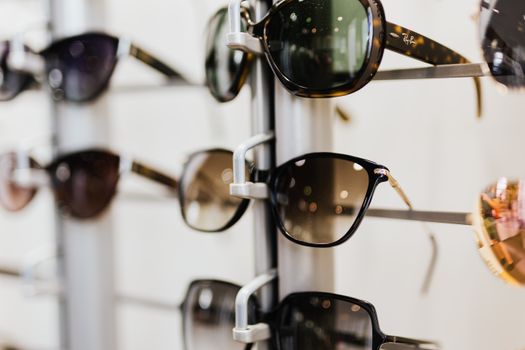
Photo by www.kaboompics.com / Pexels
After analysing thousands of prescription sunglass purchases, six critical mistakes emerge repeatedly - costing buyers an average of €180 more than necessary. Here's what optical professionals see customers getting wrong, and how to avoid these expensive traps.
Mistake #1: Buying Single Vision and Progressive Separately
The biggest pricing trap involves lens type confusion. Many retailers quote base prices for single vision lenses, then hit customers with €150-200 upgrades for progressive or varifocal options later in the checkout process.
The hidden cost: What starts as "€89 prescription sunglasses" becomes €289 after progressive lens upgrades, anti-reflective coating, and UV protection.
Smart approach: Always ask for total pricing upfront, including your specific prescription requirements. Progressive lenses should add €40-80 maximum, not €150+.
Shop the frames in this guide


Mistake #2: Falling for "Premium" Lens Index Upselling
Sales staff routinely push higher lens indices (1.67, 1.74) as "premium" options, regardless of prescription strength. Here's the reality most opticians won't tell you:
- Prescriptions under ±2.00: Standard 1.56 index works perfectly
- Prescriptions ±2.00 to ±4.00: 1.61 index provides good thickness reduction
- Prescriptions over ±4.00: 1.67 or 1.74 indices justify the extra cost
The markup on high-index lenses reaches 400-500%. For mild prescriptions, you're paying €120+ extra for virtually no visual benefit.
Mistake #3: Ignoring Photochromic vs Fixed Tint Options
Many customers assume photochromic (transition) lenses offer the best value for prescription sunglasses. This creates two problems:
Performance issues: Photochromic lenses don't darken effectively in cars due to UV-filtering windscreens. They also take 60-90 seconds to adjust between light conditions.
Cost implications: Photochromic upgrades cost €60-120, while fixed-tint prescription sunglasses often cost the same as clear lenses.
| Lens Type | Car Performance | Adjustment Speed | Typical Upgrade Cost |
|---|---|---|---|
| Fixed Tint | Excellent | Instant | €0-20 |
| Photochromic | Poor | 60-90 seconds | €60-120 |
| Polarised | Excellent | Instant | €40-80 |
Mistake #4: Choosing Frames Based on "Designer" Labels
The optical industry's dirty secret: most "designer" frames come from the same handful of factories. Luxottica alone manufactures Ray-Ban, Oakley, Persol, and dozens of other brands.
Frame markup reaches 1000-2000% at traditional retailers. A €15 manufactured frame sells for €150-300 with designer branding.
Quality indicators that actually matter:
- Spring hinges for durability
- Acetate thickness (minimum 3mm for longevity)
- Metal frame welding quality at joints
- Nose pad adjustability for comfort
Premium materials like titanium or memory metal justify higher prices, but logo placement doesn't.
Mistake #5: Accepting Limited Online Return Policies
Prescription sunglasses require proper fit testing, yet many online retailers offer restrictive return policies for prescription eyewear. This forces customers into expensive mistakes.
Red flags to avoid:
- No returns on prescription lenses
- Restocking fees over 15%
- Return windows under 30 days
- Customer pays return shipping costs
Quality online retailers confident in their prescription accuracy offer generous return policies, often 60+ days with free return shipping.
Mistake #6: Skipping Anti-Reflective Coating Comparisons
Not all anti-reflective coatings perform equally, yet pricing varies dramatically. Basic AR coating should cost €15-25, while premium multi-layer coatings justify €40-60.
Performance differences:
- Basic AR coating: Reduces reflections by 50-70%
- Multi-layer AR coating: Reduces reflections by 99%+ with scratch resistance
- Blue light filtering AR: Adds digital eye strain protection
Many retailers bundle "premium" AR coating automatically, inflating prices without explaining alternatives.
Smart Shopping Strategy for Discount Prescription Sunglasses
Professional buyers follow this systematic approach:
Step 1: Calculate True Prescription Needs
Determine your actual lens index requirement based on prescription strength. Ignore sales pressure for unnecessary upgrades.
Step 2: Compare Total Pricing
Request complete quotes including frames, lenses, coatings, and shipping. Watch for checkout surprises.
Step 3: Evaluate Return Policies
Only purchase from retailers offering minimum 30-day returns with prescription accuracy guarantees.
Step 4: Focus on Frame Construction
Prioritise build quality over brand names. Look for durable acetate frames or lightweight metal options with proper engineering.
Where to Find Genuine Discount Prescription Sunglasses
Quality prescription sunglasses don't require luxury pricing. Lensdy offers over 200 frame styles with prescription lenses starting from €29, including popular wraparound designs and classic acetate frames.
Based in London (128 City Road, EC1V 2NX), Lensdy provides free shipping on orders over €59 across Europe with transparent pricing - no hidden costs or checkout surprises. Their sunglasses collection includes 18 prescription styles designed for various face shapes and prescription requirements.
Browse affordable prescription options and discover how professional-quality eyewear doesn't require premium pricing. Visit lensdy.com to explore frame styles and build your perfect prescription sunglasses without the traditional retail markup.