

5 Trending Glasses Styles That Will Look Dated by 2027
Quick answer
Because most people wear frames for two to three years, buying into peak eyewear trends risks owning glasses that look dated long before you replace them. Industry patterns suggest several currently hot styles are already losing momentum and may feel outdated by 2027: extreme oversized frames that overwhelm the face, very bold neon or novelty colours that tie a look to one moment, ultra-thin "invisible" metal frames that lack lasting character, exaggerated geometric shapes that read as costume rather than classic, and heavily logo-branded temples that date quickly. The safer approach is to treat frames as a multi-year investment and favour timeless shapes, such as balanced rounds, soft rectangles, and classic acetate in natural tones, that flatter your face shape rather than chase a season. Choosing one or two versatile, well-proportioned pairs and keeping trend-driven styles as inexpensive extras is how to stay stylish without owning glasses that look outdated within a year.
The eyewear industry churns through trends faster than ever, with social media accelerating both the rise and fall of popular styles. While fashion magazines celebrate the hottest frames of 2026, industry insiders are already identifying which trending styles will feel painfully outdated within 12 months.
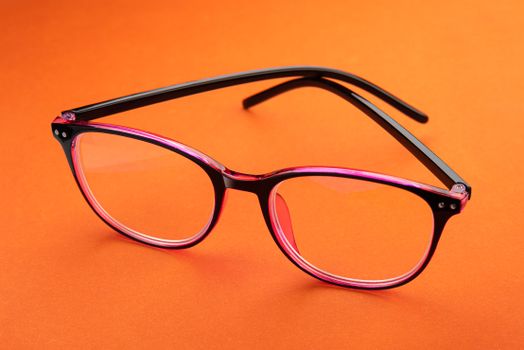
Photo by Evgeniy Alekseyev / Pexels
Understanding the lifecycle of glasses trends isn't just about staying fashionable—it's about making smart investments in frames you'll actually want to wear for years to come.
The Fashion Cycle Reality Check
Unlike clothing trends that last a season, eyewear purchases typically serve wearers for 2-3 years minimum. This creates a dangerous mismatch: buying into peak trend moments often means your frames will look dated before you're ready to replace them.
Optical retailers rarely discuss this timing issue because they benefit from frequent frame updates. However, seasoned opticians observe clear patterns in which styles have staying power versus those destined for fashion graveyards.
Shop the frames in this guide


5 Current Trending Styles Already Losing Steam
1. Extreme Cat-Eye Exaggeration
The dramatic cat-eye frames dominating social feeds in 2026 represent the peak of this trend's evolution. When any style reaches maximum exaggeration, it signals impending decline.
Why they're peaking:
- Proportions have become unwearable for daily activities
- Celebrity adoption has reached saturation point
- Practical limitations force style retreat
The cat-eye silhouette itself remains timeless, but the current extreme interpretations will soon feel as dated as 2019's tiny sunglasses trend.
2. Chunky Transparent Acetate
Clear acetate frames exploded in popularity during 2024-2025, but the trend has oversaturated the market. Every major retailer now stocks multiple transparent options, indicating the style has peaked.
Transparent frames face a fundamental problem: they show every fingerprint, skin oil, and cleaning residue. This practical limitation, combined with market oversaturation, signals inevitable decline.
3. Geometric Angular Shapes
Sharp-cornered, architectural frame shapes represent peak geometric design. These bold statement pieces photograph well for social media but prove difficult for daily wear.
Practical issues driving decline:
- Limited face shape compatibility
- Difficulty achieving proper lens prescription in extreme angles
- Comfort problems with sharp edges
- Professional setting limitations
4. Micro-Minimalist Wire Frames
Ultra-thin metal frames gained traction as a reaction against oversized styles, but they've reached impractical extremes. Current trending versions sacrifice structural integrity for aesthetic minimalism.
Opticians report increased breakage rates with extremely thin metal frames, particularly around the bridge and temple connection points. This durability issue will drive the trend toward slightly more substantial constructions.
5. Gradient Lens Tinting in Prescription Glasses
Colored gradient lenses in regular prescription glasses (not sunglasses) became trendy through social media influence, but they create practical vision problems for daily wear.
Unlike prescription sunglasses where tinting serves a purpose, gradient lenses in clear glasses often interfere with screen work, driving, and indoor activities—forcing wearers to choose between fashion and function.
The Timeless Alternative Approach
Instead of chasing peak trends, smart buyers focus on styles in their "sweet spot" phase—established enough to feel current but not so trendy they'll quickly date.
Current Sweet Spot Styles
| Frame Style | Trend Phase | Longevity Rating |
|---|---|---|
| Refined Round Frames | Mature/Stable | High |
| Subtle Cat-Eye | Classic Evolution | Very High |
| Quality Acetate Rectangles | Timeless | Very High |
| Titanium Minimalism | Growing/Stable | High |
These styles offer contemporary appeal without the risk of rapid obsolescence.
Material Trends vs. Shape Trends
A crucial distinction exists between material innovations and shape trends. Materials like titanium alloys and high-grade acetates represent genuine improvements in durability and comfort, while extreme shape trends often prioritize aesthetics over function.
Investing in superior materials within classic shapes provides both longevity and style security. A well-crafted titanium frame in a refined rectangular shape will outlast numerous trend cycles.
Memory Metal: The Practical Revolution
Flexible memory metal frames represent a material innovation rather than a fashion trend. These frames bend without breaking, making them ideal for active lifestyles while maintaining professional appearance.
Unlike purely aesthetic trends, memory metal addresses real user problems—durability and comfort—ensuring longer relevance in the market.
Regional vs. Global Trend Patterns
European markets typically adopt eyewear trends 6-12 months after peak adoption in North America and Asia. This lag provides valuable insight into which styles have genuine staying power versus temporary hype.
Trends that maintain popularity across multiple regions and persist through this timeline generally indicate more sustainable appeal.
Investment-Grade Frame Selection
Professional opticians recommend the "5-year test" when selecting frames: choose styles you'd feel comfortable wearing five years from purchase date.
Investment criteria:
- Classic proportions: Avoid extreme sizing in any direction
- Quality construction: Solid hinges, proper alignment, durable materials
- Face shape harmony: Complement rather than contrast your natural features
- Lifestyle compatibility: Function well for your daily activities
The Prescription Factor
Higher prescription strengths amplify poor frame choices. Strong prescriptions in trendy oversized frames can create thick lens edges, while tiny trendy frames may not accommodate progressive lenses properly.
Prescription wearers benefit most from classic proportions that optimize lens performance across all prescriptions types, from single vision to varifocal lenses.
Sustainable Style Choices
The most sophisticated approach combines slight trend awareness with timeless foundation pieces. Consider owning one classic pair for professional settings and one slightly trendier pair for casual wear.
This strategy allows trend participation without risking your primary eyewear investment on styles that may quickly date.
For prescription sunglasses, classic styles like the Amber or refined rectangular shapes provide versatility across changing fashion cycles while maintaining sun protection functionality.
Making Smart Eyewear Investments
When selecting frames that will maintain their appeal, focus on retailers offering quality construction and classic styling options. Lensdy provides over 200 frame styles designed for longevity, with prescription lenses starting from €29.
Quality frames like the Triumph Black or Spheres Black represent refined takes on classic shapes—contemporary enough to feel current while avoiding trend extremes that quickly date.
Based in London (128 City Road, EC1V 2NX), Lensdy offers free shipping on orders over €59 and focuses on frames that balance style with practical longevity. Their Designer Frames collection emphasizes quality construction and timeless proportions over fleeting trends.
Future-Proofing Your Eyewear
The most successful eyewear choices anticipate both personal style evolution and broader fashion cycles. Selecting frames with subtle contemporary details within classic silhouettes provides the best protection against rapid obsolescence.
Consider lens technology investments like anti-reflective coatings, blue light filtering, or photochromic options that enhance function regardless of frame trends. These features provide lasting value while trend-focused frame details fade.
Remember that confidence in classic, well-fitted frames always appears more sophisticated than struggling to pull off extreme trendy styles that don't suit your features or lifestyle.
Frequently Asked Questions
How can I tell if a trending style will last?
Look for trends that solve practical problems rather than just aesthetic ones. Styles that improve comfort, durability, or function tend to have staying power. Also, trends adopted gradually across multiple age groups and regions typically last longer than those driven purely by social media virality.
Should I avoid all current trends when buying glasses?
Not necessarily. Choose trends in their "sweet spot" phase—established but not yet oversaturated. Subtle trend incorporation within classic silhouettes provides contemporary appeal without major obsolescence risk. Avoid trends at their peak extremes.
How often should I update my prescription glasses style?
Most people replace prescription glasses every 2-3 years due to prescription changes or wear. Choose styles that will feel appropriate throughout this timeframe rather than chasing annual trend cycles. Quality frames in classic styles can often last longer with prescription updates.
Are expensive trending frames worth the investment?
Price doesn't determine trend longevity. Expensive frames in extreme trending styles will look just as dated as cheaper versions when the trend passes. Instead, invest in quality construction and materials within classic proportions for the best long-term value.
Ready to find frames that balance contemporary style with lasting appeal? Browse lensdy.com to explore quality eyewear designed for both current sophistication and future confidence.