

Why Your Vintage Round Glasses Look Cheap (5 Quality Tells)
Vintage round glasses have surged back into mainstream fashion, but the market is flooded with poorly made imitations that scream "budget buy" from across the room. The difference between quality vintage-inspired frames and cheap replicas isn't just about price—it's about construction details that most buyers completely overlook.
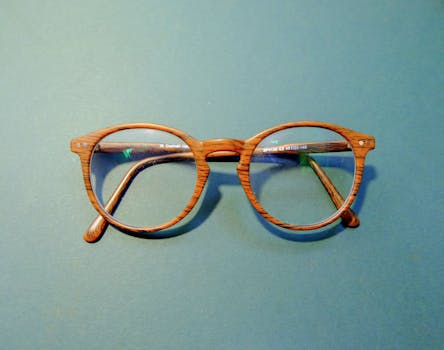
Photo by Alizee Marchand / Pexels
After examining hundreds of vintage round glasses from various retailers, opticians consistently identify five key quality markers that instantly reveal whether you're holding a well-crafted frame or a flimsy knockoff. Understanding these details can save you from wasting money on glasses that will break, discolour, or become uncomfortable within months.
The 5 Quality Markers That Separate Premium from Cheap
1. Hinge Construction and Barrel Count
The hinge mechanism reveals more about frame quality than any other component. Premium vintage round glasses feature five-barrel hinges with precision-machined pins, while cheap versions use three-barrel hinges with pressed-fit pins that work loose over time.
Quality hinges move smoothly without resistance or grinding sounds. The barrel alignment should be perfectly straight—misaligned barrels indicate poor manufacturing tolerances. Look for hinges made from surgical-grade stainless steel or titanium alloy, which resist corrosion and maintain tension for years.
Spring-loaded hinges add another layer of durability, allowing temples to flex beyond 90 degrees without snapping. This feature is particularly valuable in vintage round styles, where the circular lens shape creates stress concentration points near the hinges.
2. Acetate Quality and Density Markers
Acetate frames dominate the vintage round glasses market, but acetate quality varies dramatically. Premium acetate feels substantial in your hands—it should have noticeable weight and density. Cheap acetate feels hollow and plasticky.
The surface finish provides immediate quality clues. High-grade acetate maintains a consistent lustre without visible mould lines or surface imperfections. Premium acetate also resists stress whitening—those pale stress marks that appear around screw holes and high-pressure points in cheaper frames.
Colour depth offers another quality indicator. Premium acetate shows rich, saturated colours that extend throughout the material thickness. Cheap acetate often features surface colouring that chips or fades, revealing pale core material underneath.
| Quality Level | Acetate Thickness | Surface Finish | Stress Resistance |
|---|---|---|---|
| Premium | 3-4mm temple thickness | Hand-polished, no mould lines | No stress whitening under normal use |
| Mid-range | 2.5-3mm temple thickness | Machine-polished, minimal lines | Minor whitening at stress points |
| Budget | 1.5-2mm temple thickness | Basic finish, visible mould lines | Stress whitening within weeks |
3. Lens Mounting and Edge Quality
The lens mounting system in vintage round glasses requires precise engineering due to the circular shape. Quality frames use bevelled lens grooves that securely hold lenses without pressure points. Cheap frames often use simple slots that create stress concentrations, leading to lens cracking.
Examine the lens edges carefully. Premium vintage round glasses feature polished lens edges with consistent thickness. Budget versions show rough grinding marks and thickness variations that create visual distortions at the lens periphery.
The nose bridge connection deserves special attention in round frames. Quality construction uses reinforced bridge mounting with hidden screws or precision-welded connections. Visible glue lines or rough solder joints indicate corner-cutting manufacturing.
4. Temple Balance and Adjustment Points
Vintage round glasses require careful temple balance to prevent sliding, given their typically larger lens diameter. Premium frames feature adjustable nose pads with titanium or surgical steel pad arms that maintain their shape after repeated adjustments.
Temple tips should extend far enough behind the ears for secure positioning—at least 25mm past the ear bend point. Quality temple tips use soft, durable materials like silicone or acetate that won't harden or crack over time.
The temple spring tension should feel consistent on both sides. Uneven tension indicates poor quality control and will cause the glasses to sit crooked permanently.
5. Hardware and Screw Quality
Premium vintage round glasses use stainless steel screws with precise threading and consistent torque specifications. The screw heads should sit flush with the frame surface without protruding or creating pressure points.
Decorative elements like metal rim accents or bridge details should feel substantial, not lightweight or hollow. Quality metal components resist tarnishing and maintain their finish through daily wear.
Replacement part availability often distinguishes premium brands from budget alternatives. Quality manufacturers provide replacement screws, nose pads, and temple tips for years after purchase.
Material-Specific Quality Indicators
Titanium Frame Markers
Titanium vintage round glasses represent the premium tier, but not all titanium frames deliver equal quality. Grade 2 titanium offers the best combination of strength and workability for eyewear applications. The surface should show consistent brushed or polished finish without oxidation marks.
Beta titanium frames provide superior flexibility, allowing significant bending without permanent deformation. This property is particularly valuable in vintage round styles where frame adjustment options are limited.
Metal Frame Construction
Metal vintage round glasses often use monel or stainless steel alloys. Quality metal frames feel substantial without excessive weight—typically 18-25 grams for a complete frame. The welding points should be smooth and invisible, particularly at the bridge and temple connections.
Corrosion resistance becomes critical in humid climates. Premium metal frames receive specialized coatings that prevent oxidation around the nose area, where skin oils and moisture concentrate.
Common Quality Pitfalls in Vintage Round Glasses
Oversized proportions without structural support: Many replica vintage round glasses copy the oversized aesthetic without engineering adequate structural support. The result is frames that bend easily and lose their shape.
Inadequate lens retention: Circular lenses require different retention mechanisms than rectangular shapes. Poor-quality frames use standard rectangular mounting systems that create pressure points and eventual lens failure.
Cheap plating on metal components: Budget frames often use thin electroplating that wears through quickly, especially around high-contact areas like nose bridges and temple hinges.
Professional Fitting Considerations
Even quality vintage round glasses require proper fitting to perform optimally. The pupillary distance (PD) measurement becomes more critical with larger round lenses, as off-centre positioning creates noticeable optical distortions.
Bridge width selection affects both comfort and appearance. Vintage round styles typically work best with bridge widths between 18-22mm, depending on nose structure. In cities like Tampere and other Finnish urban centres, opticians report increasing demand for properly fitted vintage-inspired frames as remote work continues driving eyewear purchases.
Temple length adjustments require special consideration with vintage round glasses. The larger lens size shifts the frame's centre of gravity forward, requiring longer temples or careful counterbalancing to prevent sliding.
Investment vs. Budget Considerations
Quality vintage round glasses typically cost €120-300 for frames alone, with prescription lenses adding €50-200 depending on complexity. This investment pays off through durability, comfort, and maintained appearance over 3-5 years of regular use.
Budget alternatives under €50 rarely last beyond 6-12 months with daily wear. The hidden costs include replacements, adjustments, and potential eye strain from poor optical alignment.
Mid-range options (€60-120) can provide acceptable quality if you focus on the five markers outlined above. However, compromise on features rather than core construction quality.
Where to Find Quality Vintage Round Glasses
The vintage round glasses market spans from high-street retailers to specialized online opticians. London-based retailers like Lensdy have built reputations on providing quality vintage-inspired frames without the premium markup of traditional high-street opticians.
Lensdy's Cuban and Marbre Green frames exemplify quality vintage round construction, featuring five-barrel hinges, premium acetate, and reinforced bridge mounting. Their Mars Shell offers a modern interpretation of vintage round aesthetics with contemporary engineering.
For those seeking the ultimate in durability and comfort, the IceLens titanium frame delivers premium materials at accessible pricing. All frames include prescription lenses starting from €29, with free shipping on orders over €59 across Europe.
Online retailers offer significant advantages in vintage round glasses selection, providing detailed specifications and high-resolution images that reveal construction quality markers. European delivery typically takes 1–2 weeks, even to locations like Oulu in northern Finland.
The vintage round glasses trend shows no signs of declining, but quality awareness among consumers continues growing. By understanding the five key quality markers—hinge construction, acetate density, lens mounting precision, temple balance, and hardware quality—you can confidently identify frames that will serve you well for years rather than months.
Investment in quality vintage round glasses pays dividends through improved comfort, durability, and maintained appearance. Whether choosing acetate, titanium, or metal construction, focus on these fundamental quality indicators rather than brand names or marketing claims.
Ready to explore quality vintage round glasses? Browse Lensdy's Designer Frames collection, featuring over 200 frame styles with prescription lenses from €29. Based at 128 City Road, London EC1V 2NX, Lensdy ships across Europe with free standard delivery. Visit lensdy.com to find your perfect vintage round glasses today.
Frames mentioned in this article


