

Polarised vs Photochromic: Low Winter Sun Driving Glasses
Your sunglasses work perfectly in summer, but winter driving at sunset leaves you squinting through blinding glare that seems to come from everywhere at once.
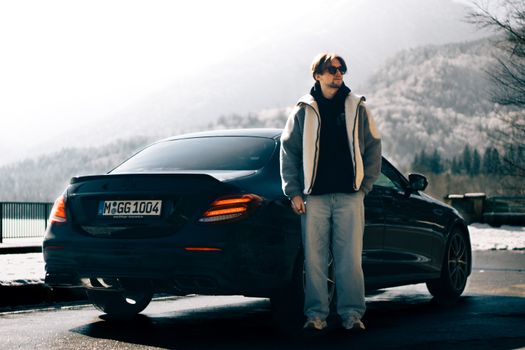
Photo by Kostiantyn Zavhorodnii / Pexels
For low winter sun driving, polarised lenses cut through reflected glare from wet roads and snow more effectively than photochromic lenses, but photochromic lenses adapt better to rapidly changing light conditions like driving through tunnels or under bridges. The choice depends on whether consistent glare reduction or light adaptation matters more for your typical routes.
Why winter sun creates unique driving challenges
Winter sun sits lower in the sky throughout the day, creating prolonged periods of direct glare that summer drivers rarely face. Between December and February, the sun never rises above 30 degrees in most of Europe, meaning you're driving directly into or away from bright light for hours rather than minutes. Wet roads act like mirrors, bouncing this low-angle light straight into your eyes from multiple directions simultaneously. Snow amplifies the problem further by reflecting light upward from the ground, creating a ceiling of glare that standard sun visors cannot block. Dashboard surfaces that stay cool in summer become highly reflective in winter light, adding internal reflections to external glare. Your pupils, adapted to shorter daylight hours, struggle to adjust quickly when you drive from shadowed streets into brilliant sunset conditions.
The combination creates a perfect storm of visibility problems that summer sunglasses simply were not designed to handle.
Shop the frames in this guide


How polarised lenses handle winter driving conditions
Polarised lenses block horizontally oriented light waves, which eliminates most reflected glare from wet asphalt, puddles, and snow-covered surfaces. The polarising filter works like venetian blinds, allowing vertical light waves through while stopping horizontal reflections that bounce off flat surfaces. This makes them exceptionally effective for winter driving because wet roads create intense horizontal reflections that regular tinted lenses cannot touch. Dashboard glare disappears almost completely with polarised lenses, as most internal car reflections are horizontally polarised. Snow glare reduces dramatically, though some scattered light still gets through because snow reflects light in multiple directions. The effect works instantly and consistently, regardless of temperature or UV exposure, making polarised lenses reliable in all winter weather conditions.
However, polarised lenses can make LCD screens difficult to read, including some GPS displays and dashboard instruments, forcing you to tilt your head to see them clearly.
How photochromic lenses adapt to changing winter light
Photochromic lenses automatically darken when exposed to UV light and clear up in low-light conditions, adapting to the rapidly changing brightness levels common in winter driving. They work particularly well for routes that alternate between bright open roads and shadowed urban streets, adjusting within seconds as you move between different lighting conditions. Modern photochromic technology responds to both UV and visible light, so they darken even behind car windscreens that filter most UV rays. The lenses typically transition from nearly clear to medium-dark tint, providing enough protection for most winter sun conditions without becoming too dark for tunnel driving. Temperature affects their performance, with lenses staying darker longer in cold weather and clearing more slowly when you move from bright to dim conditions. This temperature sensitivity can actually benefit winter drivers, as the lenses maintain useful tinting longer in cold car interiors.
The main limitation is that photochromic lenses do not eliminate glare - they simply reduce overall brightness, leaving reflected glare patterns intact.
Which lens type works better for different winter driving scenarios
For consistent highway driving through flat, wet terrain, polarised lenses provide superior glare control and visual comfort throughout your journey. The constant elimination of road reflections reduces eye strain significantly over long distances, and the consistent tint level works well for steady lighting conditions. Mountain or hill driving benefits more from photochromic lenses, as the constantly changing light levels - from bright exposed sections to shadowed valleys - require adaptive tinting rather than fixed glare reduction. Urban winter driving favours photochromic technology, especially in cities like Athens or Heraklion where you frequently transition between narrow shadowed streets and bright open squares. Stop-and-go traffic works better with photochromic lenses that lighten at red lights and darken when you accelerate into bright conditions. If you regularly drive through tunnels or covered sections, photochromic lenses clear quickly enough to maintain visibility, while polarised lenses stay at fixed darkness levels that may be too dark for shadowed areas.
For mixed conditions, consider your most challenging driving scenario as the deciding factor.
Can you combine both technologies in one lens
Polarised photochromic lenses combine both technologies, offering adaptive tinting with glare elimination for comprehensive winter driving protection. These hybrid lenses darken and lighten based on light conditions while maintaining the polarising filter that blocks reflected glare from wet surfaces. The combination provides optimal versatility for varied winter driving conditions, adapting to brightness changes while consistently eliminating road reflections and dashboard glare. However, the dual technology comes with increased cost and the combined limitations of both lens types - LCD screen visibility issues from polarisation plus slower clearing times from photochromic materials. The polarising effect works independently of the photochromic tinting, so you get glare protection even when the lenses are in their clear state. These lenses work particularly well for drivers who face both consistent glare problems and highly variable lighting conditions on the same routes.
The technology represents the most comprehensive solution for winter driving visibility, provided you can work around the screen visibility limitations.
Frame considerations for winter driving glasses
Winter driving glasses need frames that stay comfortable under heavy clothing and provide adequate coverage without fogging issues. Larger lens areas give better protection from low-angle sun and peripheral glare, making oversized or wraparound styles more effective than narrow frames. Metal frames like our Skyward Gold conduct cold temperatures, becoming uncomfortable when you enter a cold car, while acetate frames like the Cuban maintain more consistent temperatures. Temple thickness matters with winter hats and hoods - thinner metal temples slide under clothing more easily than thick acetate arms. Anti-reflective coating on the lens back surface prevents light from bouncing off the rear lens surface into your eyes, which becomes more noticeable with winter's intense low-angle light. Nose pad materials should provide secure grip even when cold, as slipping glasses create dangerous visibility gaps during critical driving moments.
Consider frames with slightly curved lens surfaces to reduce peripheral light entry without creating optical distortion.
Prescription options for winter driving lenses
Single vision distance prescriptions work best for winter driving, providing clear focus on the road without the adaptation zones that can complicate quick glance movements in challenging conditions. Progressive lenses can work for winter driving if your distance zone is large enough and positioned correctly, but the intermediate zones may interfere with dashboard and mirror checking in low-light conditions. Higher lens indices like 1.61 or 1.67 reduce edge thickness for strong prescriptions while maintaining optical clarity, important when you need maximum visual precision for low-sun driving. Anti-reflective coating becomes essential with prescription winter driving lenses, as the combination of strong prescription curves and intense winter light creates more internal reflections than non-prescription lenses. Blue light filtering adds minimal benefit for outdoor winter driving since natural blue light levels remain relatively low even in bright winter conditions.
Discuss your typical winter driving routes with your optician to optimise lens design for your specific visual needs.
Professional winter driving eyewear from Lensdy
Lensdy offers both polarised and photochromic prescription lenses across our 200+ frame styles, letting you build the ideal winter driving solution for your needs and budget. Our sunglasses collection includes styles specifically designed for driving conditions, with lens options ranging from standard polarisation to advanced photochromic technology. Prescription lenses start from affordable prices with free shipping on orders over €59, and most orders arrive within 1-2 weeks across Europe. Whether you prefer the consistent glare control of polarised lenses or the adaptive convenience of photochromic technology, our lens options work with both metal frames like the Delaware and bold acetate styles like the Lava.
Configure your winter driving glasses with the exact lens technology and prescription specifications you need for safe, comfortable vision.
Frequently Asked Questions
Do polarised lenses work in winter weather?
Yes, polarised lenses work exceptionally well in winter conditions, particularly for eliminating glare from wet roads, puddles, and snow-covered surfaces. They maintain their effectiveness regardless of temperature and provide consistent glare reduction throughout winter driving conditions.
How quickly do photochromic lenses change in winter?
Photochromic lenses typically darken within 30 seconds and clear within 2-5 minutes, though cold temperatures slow the clearing process slightly. The extended clearing time can actually benefit winter driving by maintaining useful tinting longer in cold car interiors.
Can I get prescription lenses with both polarisation and photochromic technology?
Yes, polarised photochromic lenses combine both technologies in one lens, providing adaptive tinting with glare elimination. This combination offers the most comprehensive protection for varied winter driving conditions, though at higher cost than single-technology lenses.
Which lens colour works best for winter driving?
Grey and brown tints provide the most natural colour perception for winter driving, while yellow or amber tints can enhance contrast in overcast conditions but may distort traffic light colours. Avoid very dark tints that reduce visibility in shadowed areas or tunnels.
Browse our complete collection at lensdy.com to find the perfect frame and lens combination for safe winter driving vision.