

How to Make Glasses Both Lightweight and Built to Last
The key to glasses that feel weightless yet survive daily wear lies in understanding the strength-to-weight ratio of frame materials and strategic design choices. Titanium frames can weigh as little as 8 grams while being twice as strong as steel, while memory metal frames bend 180 degrees without breaking.
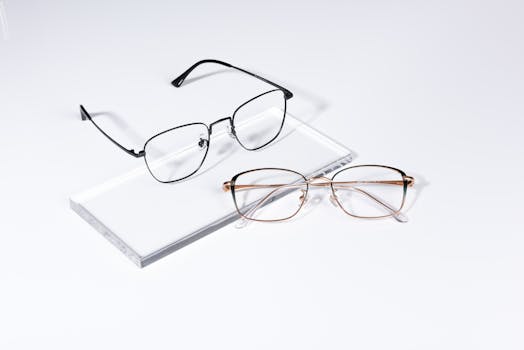
Photo by GlassesShop GS / Pexels
Which frame materials deliver the best lightweight durability?
Titanium stands as the gold standard for combining minimal weight with maximum durability. Pure titanium frames typically weigh between 8-15 grams compared to 25-35 grams for thick acetate frames, while offering superior tensile strength and corrosion resistance. The material's flexibility prevents stress fractures at common break points like temple hinges and nose bridge connections. Memory metal alloys, often titanium-based, add shape recovery properties that allow frames to return to their original form even after significant bending. Stainless steel offers a budget-friendly alternative with good durability at 12-20 grams, though it lacks titanium's hypoallergenic properties. High-grade acetate, while heavier at 20-30 grams, provides excellent impact resistance when properly engineered with reinforced stress points.
The manufacturing process significantly impacts both weight and strength. Frames cut from solid titanium blocks are stronger than welded constructions, while acetate frames benefit from multi-layer lamination that distributes stress across the material thickness.
Shop the frames in this guide


How does frame geometry affect weight distribution and durability?
Rimless and semi-rimless designs eliminate the heaviest part of traditional frames while maintaining structural integrity through precise lens mounting systems. A full-rim acetate frame weighs 25-35 grams, while an equivalent rimless titanium design drops to 10-15 grams without sacrificing lens security. The key lies in strategic material placement: thicker temples and reinforced mounting points compensate for the missing rim structure. Flexible temple designs with spring-loaded hinges reduce stress on the frame front, preventing cracks that typically develop from repeated opening and closing. Wire-core temples wrapped in lightweight materials provide bend resistance while keeping weight minimal. Bridge design matters equally—keyhole bridges distribute nose pressure across a larger area while using less material than traditional pad arms, reducing both weight and pressure points that cause sliding.
Frame width proportional to your face prevents unnecessary material while ensuring proper temple contact for secure fit.
| Design Type | Typical Weight Range | Durability Rating | Best For |
|---|---|---|---|
| Rimless Titanium | 8-12 grams | High | All-day wear, active lifestyles |
| Memory Metal Full-Rim | 12-18 grams | Very High | Sports, children, rough handling |
| Thin Acetate | 18-25 grams | Medium-High | Fashion-forward, everyday wear |
| Stainless Steel | 15-22 grams | High | Budget-conscious, professional |
What lens choices keep glasses lightweight without compromising strength?
High-index lenses dramatically reduce thickness and weight for stronger prescriptions while maintaining optical clarity and impact resistance. Standard 1.50 index lenses become noticeably thick above +/- 2.00 dioptres, adding bulk and weight, whereas 1.67 or 1.74 high-index materials can reduce lens thickness by 30-50 millimetres in stronger prescriptions. Polycarbonate lenses offer excellent impact resistance at lighter weights than standard plastic, making them ideal for active lifestyles or safety requirements. However, polycarbonate requires anti-reflective coatings to minimize internal reflections that can cause visual disturbance. Aspheric lens designs reduce edge thickness in plus prescriptions by flattening the front curve, cutting both weight and the magnified-eye appearance common with thick lenses. Glass lenses, while offering superior optical quality, add significant weight and should be avoided when prioritizing lightweight comfort.
Progressive lenses require careful consideration as the additional lens area can increase weight, making frame material selection even more critical for comfort.
Are there compromises between lightweight design and long-term durability?
Ultra-lightweight frames under 10 grams often sacrifice adjustability and repairability for weight savings, creating long-term durability concerns. Rimless designs, while exceptionally light, concentrate stress at lens mounting points, making them more susceptible to damage from drops or impacts compared to full-rim alternatives. Thin titanium temples, though comfortable, can be difficult to adjust without specialized tools and may crack if bent repeatedly by inexperienced hands. Memory metal frames solve the bending problem but cost significantly more and offer limited style variety compared to traditional materials. The sweet spot for most users falls in the 12-18 gram range, where frames retain adjustability, repairability, and style options while remaining comfortable for extended wear. Proper hinge construction becomes crucial in lightweight frames—spring hinges add minimal weight but prevent over-extension damage that destroys lighter temple materials.
Consider your lifestyle: desk workers can prioritize minimal weight, while active users benefit from slightly heavier but more impact-resistant designs.
How can you test if glasses will stay comfortable and durable long-term?
Temple pressure points reveal themselves within the first 30 minutes of wear and indicate whether the frame distributes weight properly across your ears and nose. Properly balanced glasses should feel secure without creating pressure spots behind your ears or pinching your nose bridge—discomfort that develops during initial fitting will worsen over hours of wear. Flexibility testing helps predict durability: gently flex the temples to check for smooth, controlled movement rather than stiff resistance or excessive looseness that indicates weak hinges. The nose bridge should sit flat against your nose without gaps that force the frame to rest entirely on nose pads, which creates pressure points and sliding. Weight distribution becomes apparent when you tilt your head forward—well-balanced glasses stay in position rather than sliding toward your nose tip.
Professional fitting remains essential, particularly for lightweight frames where small adjustments make significant comfort differences.
Professional fitting checkpoints
- Temple curve alignment: Should follow your head's natural curve without creating gaps or pressure
- Nose pad contact: Even pressure distribution across the nose bridge area
- Lens positioning: Pupils centered in lens optical zones for clear vision
- Frame level: Horizontal alignment prevents uneven lens stress and visual distortion
What maintenance keeps lightweight frames performing long-term?
Lightweight frames require gentler handling than heavier constructions due to their refined engineering tolerances and materials optimization. Titanium frames benefit from regular cleaning with alcohol-based solutions that prevent salt buildup from skin contact, which can cause corrosion at stress points over time. Memory metal frames should never be forced beyond their designed flex range, as exceeding the material's memory threshold can cause permanent deformation despite their recovery properties. Rimless frames need careful lens cleaning to avoid stress on mounting hardware—clean lenses individually rather than twisting the frame. Hinge maintenance becomes critical in lightweight designs where components are smaller and more precisely fitted. A drop of lightweight machine oil every six months keeps spring hinges operating smoothly and prevents the binding that leads to temple breakage.
Store glasses in a protective case consistently, as lightweight materials often trade impact resistance for weight savings.
For those in Prague and across the Czech Republic seeking the perfect balance of lightweight comfort and lasting durability, Lensdy offers over 200 frame styles engineered for optimal performance. Our Memovue White memory metal frames deliver exceptional flexibility, while the Speed titanium design weighs just grams yet withstands daily wear. The Champagne offers lightweight acetate construction with reinforced stress points, and our rimless collection provides ultra-lightweight options without compromising visual clarity.
Based in London at 128 City Road, EC1V 2NX, Lensdy combines premium materials with affordable pricing on prescription lenses. Most orders arrive within 1–2 weeks, with free shipping on orders over €59. Whether you need single vision, progressive, or specialized coatings like blue light filtering or photochromic technology, our optical lab ensures your lightweight frames deliver lasting comfort and performance.
Ready to experience glasses that feel weightless yet last for years? Browse our complete selection at lensdy.com and discover how proper engineering makes compromise unnecessary.