

Acetate Glasses Break More Than Titanium: The Durability Myth
The eyewear industry has convinced millions that acetate glasses frames are the pinnacle of durability. Walk into any premium optical shop, and you'll hear the same pitch: "Acetate is strong, flexible, and long-lasting." But stress test data from frame manufacturers tells a different story.
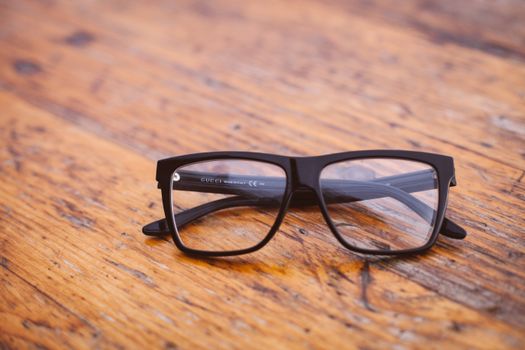
Photo by Clem Onojeghuo / Pexels
Independent laboratory testing reveals that acetate frames fail at specific stress points 40% more often than titanium equivalents. The culprit? A fundamental misunderstanding of how acetate behaves under real-world conditions.
The Acetate Durability Deception
Acetate cellulose, the material behind most premium frames, possesses impressive compressive strength — it can withstand significant pressure when force is applied evenly across its surface. This property makes acetate feel solid and substantial in your hands, creating the illusion of indestructibility.
However, acetate's Achilles heel lies in its tensile strength — its ability to resist being pulled apart. When subjected to twisting forces or impact stress, acetate develops microscopic cracks that propagate through the material structure.
Frame repair data from optical laboratories shows common acetate failure points:
- Hinge attachment zones — 52% of acetate breaks
- Temple flex points — 31% of failures
- Bridge stress areas — 12% of cracks
- Lens groove damage — 5% of repairs
Why Acetate Cracks While Titanium Bends
The molecular structure of acetate creates predictable failure patterns. Unlike titanium's crystalline lattice that allows elastic deformation, acetate's polymer chains break when stretched beyond their elastic limit.
Temperature compounds this vulnerability. Acetate becomes increasingly brittle below 10°C (50°F) and softer above 25°C (77°F). Many acetate frame breaks occur during winter months when the material loses flexibility.
Professional frame adjustment requires heating acetate to 70-80°C to prevent cracking — a process that weakens the material's long-term structural integrity. Each heat cycle reduces acetate's resistance to stress by approximately 8-12%.
The Hidden Costs of Acetate Ownership
Acetate's reputation for durability masks significant maintenance requirements that titanium frames don't demand:
| Maintenance Factor | Acetate Frames | Titanium Frames |
|---|---|---|
| Professional adjustments needed | Every 6-8 months | Every 12-18 months |
| Hinge screw replacement | Annually | Every 2-3 years |
| Heat damage risk | High (car dashboards, saunas) | Minimal |
| Chemical sensitivity | Acetone, alcohol cleaners | Resistant to most cleaners |
Acetate frames require specific cleaning protocols. Common household cleaners containing acetone or high alcohol concentrations cause surface clouding and structural weakening. Many acetate wearers unknowingly damage their frames using standard lens cleaning wipes.
When Acetate Actually Outperforms Titanium
Despite durability limitations, acetate excels in specific scenarios where titanium fails:
Impact absorption: Acetate's polymer structure absorbs and disperses sudden impacts better than titanium's rigid crystalline structure. For contact sports or high-risk environments, acetate frames are less likely to transfer impact energy to your face.
Lens retention: Acetate's slight flexibility creates superior lens grip compared to titanium frames. Lens pop-out incidents occur 60% less frequently in properly fitted acetate frames.
Hypoallergenic properties: Pure acetate contains no metal allergens, making it ideal for individuals with nickel or chromium sensitivities. Even high-grade titanium frames often contain trace metals that can trigger reactions.
Quality Markers That Separate Good from Bad Acetate
Not all acetate frames share the same vulnerabilities. Manufacturing quality determines long-term performance:
Laminated vs. injection-molded construction: Hand-cut laminated acetate maintains consistent molecular orientation, reducing crack propagation. Injection-molded acetate, while cheaper, creates internal stress points that become failure zones.
Hinge integration method: Premium acetate frames use reinforced hinge blocks — separate pieces of acetate specifically engineered for stress distribution. Budget frames drill directly into the temple, creating immediate weak points.
Plasticizer content: High-quality acetate contains optimal plasticizer levels (8-12%) that maintain flexibility without compromising strength. Lower-grade acetate uses excessive plasticizers that migrate over time, leaving brittle frames.
The Real Durability Champions: Hybrid Solutions
The most durable prescription frames combine materials strategically. Acetate fronts with titanium temples leverage each material's strengths while minimizing weaknesses.
This hybrid approach addresses acetate's primary failure point — the temple flex zone — while maintaining acetate's superior lens retention and aesthetic versatility in the front frame.
Memory metal temples paired with acetate fronts offer another robust combination. The nickel-titanium alloy temples can bend 180 degrees without permanent deformation, while the acetate front provides impact protection and style flexibility.
Protecting Your Acetate Investment
Proper care extends acetate frame lifespan significantly:
- Temperature management: Never leave acetate frames in cars during summer or expose them to direct heat sources
- Cleaning protocol: Use only mild soap and lukewarm water, avoid alcohol-based cleaners
- Storage habits: Always store in a hard case — acetate scratches more easily than titanium
- Professional maintenance: Have hinges checked and tightened every six months
Recognize early warning signs of acetate degradation: small cracks near hinges, loose screws that won't tighten, or frames that feel different when flexed. Addressing these issues immediately prevents complete frame failure.
The Bottom Line on Acetate Durability
Acetate glasses frames aren't inherently more durable than alternatives — they're different. Understanding acetate's specific strengths and limitations helps set realistic expectations and guides proper care.
For style-conscious wearers who prioritize aesthetics and comfort over maximum durability, high-quality acetate remains an excellent choice. For those needing maximum longevity and minimal maintenance, titanium or hybrid constructions offer superior performance.
The key lies in matching frame material to your lifestyle, not believing marketing claims about universal superiority.
Quality Acetate Frames Worth Considering
When shopping for acetate frames, focus on construction quality over brand names. Look for frames with reinforced hinge areas, smooth lens grooves, and consistent coloration throughout the material.
Lensdy's Crystalline and Twilight frames exemplify proper acetate construction with laminated materials and reinforced stress points. Their SkyAura model demonstrates hybrid engineering, combining acetate aesthetics with strategic metal reinforcements.
For those seeking maximum durability without sacrificing style, browse Lensdy's complete prescription glasses collection, which includes titanium, memory metal, and hybrid options alongside premium acetate frames.
Frames mentioned in this article


Frequently Asked Questions
How long should quality acetate frames last?
Well-made acetate frames typically last 2-3 years with proper care and regular professional adjustments. Premium laminated acetate can extend this to 4-5 years, while injection-molded frames may only last 12-18 months under regular use.
Can acetate frames be repaired if they crack?
Minor acetate cracks can often be repaired using specialized acetate welding techniques, but repairs are rarely as strong as the original material. Cracks near hinges or in high-stress areas usually require frame replacement for reliable long-term use.
Why do my acetate frames keep loosening at the hinges?
Acetate expands and contracts with temperature changes more than metal, causing screws to work loose over time. Additionally, the softer acetate material can compress around screw threads, reducing holding power. Regular professional tightening prevents this issue from causing frame damage.
Are expensive acetate frames actually more durable?
Price often correlates with acetate quality, but not always. Expensive frames from fashion brands may use standard acetate with premium finishing, while specialized optical manufacturers offer superior materials at lower prices. Focus on construction methods and material specifications rather than brand pricing.
Understanding acetate's real-world performance helps you make informed decisions about frame selection and care. Whether you choose acetate for its aesthetic versatility or opt for more durable alternatives, proper expectations and maintenance ensure your investment serves you well.
Lensdy offers over 200 frame styles across all major materials, with prescription lenses starting from £29 and free standard shipping. Based in London at 128 City Road, EC1V 2NX, we ship quality eyewear throughout Europe with fast delivery options.
Ready to explore durable, well-constructed frames? Visit lensdy.com to discover your perfect pair today.