

5 Acetate Frame Mistakes That Ruin Your Glasses
Quick answer
The most common acetate frame mistake is assuming all acetate is equal. Premium acetate, such as Mazzucchelli M49, contains around 15-20% cotton fibres and weighs about 1.3-1.4g/cm³, giving rich, consistent colour and depth, while cheap plastic-resin imitations crack within months. Quality frames feel smooth but not slippery, show colour throughout the material thickness, and have perfectly polished edges without visible tool marks. Other frequent mistakes include choosing frames that are too thin at the temples, which weakens them; ignoring how acetate can warp or fade with heat and poor cleaning; picking a colour that clashes with your skin undertone; and overlooking fit so the frames slide or pinch. The fixes are to check acetate density and finish, favour thicker, well-polished temple arms, clean and store frames away from heat, and match both colour and size to your face. Judging acetate by construction rather than price protects both comfort and long-term durability.
Acetate glasses frames represent 70% of premium eyewear sales, yet most people make critical mistakes when selecting them. These errors cost hundreds of euros in replacements, cause daily discomfort, and make perfectly good acetate look cheap. Here are the five mistakes that separate amateur buyers from eyewear experts.
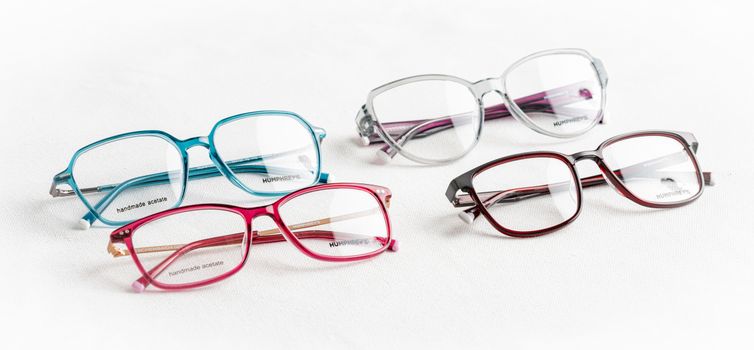
Photo by Saliem Moeslan / Pexels
Mistake #1: Confusing All Acetate as Equal Quality
The biggest misconception about acetate glasses frames is that all acetate performs identically. Premium acetate (like M49 from Mazzucchelli) contains 15-20% cotton fibres, while cheap alternatives use pure plastic resins that crack within months.
Quality acetate exhibits specific characteristics:
- Density test: Premium acetate weighs 1.3-1.4g/cm³, noticeably heavier than cheap alternatives
- Surface texture: High-grade acetate feels smooth but not slippery, with subtle depth variations
- Colour saturation: Premium acetate displays rich, consistent colours throughout the frame thickness
- Edge finishing: Quality frames show perfect edge polishing without visible tool marks
Cheap acetate frames often use injection moulding instead of traditional cutting and polishing. This creates weak stress points that snap under normal use. Professional opticians can spot injection-moulded acetate instantly by examining the temple hinges for mould lines.
Shop the frames in this guide


Mistake #2: Ignoring Acetate Thickness Specifications
Frame thickness directly affects durability and comfort, yet most customers focus purely on style. Premium acetate frames measure 4-6mm thick at stress points (bridge, temple joints), while fashion knockoffs often measure just 2-3mm.
| Frame Section | Minimum Thickness | Premium Standard |
|---|---|---|
| Bridge | 3mm | 5-6mm |
| Temple hinges | 4mm | 6-7mm |
| Lens rim | 2mm | 3-4mm |
Thin acetate frames create two problems: they snap easily under stress and they dig into skin contact points. Customers in cities like Porto often choose thin acetate for aesthetic reasons, then replace broken frames within six months.
However, thickness alone doesn't guarantee quality. The acetate layering technique matters equally. Premium manufacturers laminate multiple acetate sheets, creating stronger bonds than single-sheet cutting.
Mistake #3: Selecting Wrong Acetate Patterns for Face Geometry
Acetate's pattern flexibility creates its biggest selection trap. Tortoiseshell patterns with high contrast make wide faces appear wider, while solid colours provide slimming effects. Most customers choose patterns emotionally rather than analytically.
Pattern selection rules that opticians follow:
- Horizontal patterns (wood grain, striated designs) widen perceived face width
- Vertical patterns (marble effects, columnar designs) add face length
- Mixed patterns (tortoiseshell, havana) work best on balanced facial proportions
- Solid acetate provides the most universally flattering option
Additionally, pattern positioning affects appearance dramatically. Temples with different patterns than front frames can create visual balance for asymmetrical faces, but require expert colour matching.
The Seraphine frame demonstrates excellent pattern application—subtle tortoiseshell that complements rather than overwhelms facial features.
Mistake #4: Misunderstanding Acetate Flexibility Properties
Acetate's flexibility varies dramatically between manufacturers and processing methods. Properly processed acetate maintains shape memory while allowing slight flex, preventing stress fractures during normal adjustment.
Key flexibility indicators:
- Temple bend resistance: Quality acetate temples should flex 15-20 degrees without permanent deformation
- Recovery speed: Premium acetate returns to original shape within 2-3 seconds
- Temperature sensitivity: High-grade acetate maintains flexibility across temperature ranges
Many customers assume stiffer frames indicate higher quality, but excessive rigidity causes breakage. The sweet spot involves controlled flexibility that prevents overtightening while maintaining structural integrity.
Acetate's flexibility also affects adjustment longevity. Frames that flex appropriately hold their adjusted shape for 12-18 months, while rigid frames lose adjustments within weeks or crack during professional fitting.
Mistake #5: Neglecting Acetate-Lens Compatibility
The final critical mistake involves lens selection without considering acetate frame limitations. Thick acetate frames require specific lens edge finishing to prevent unsightly gaps or pressure points.
Lens compatibility factors:
- Lens index matching: Higher prescriptions (+/-4.00D or stronger) need high-index lenses (1.67 or 1.74) with thick acetate
- Edge polishing requirements: Acetate frames show lens edges more prominently than metal frames
- Anti-reflective coating necessity: Thick acetate creates internal reflections without proper AR coating
- Progressive lens positioning: Acetate's thickness affects progressive corridor alignment
The Crystalline frame showcases proper acetate-lens integration, with bevelled edges that complement lens curvature seamlessly.
Professional Acetate Frame Selection Strategy
Opticians use a systematic approach when recommending acetate glasses frames. This process eliminates guesswork and ensures long-term satisfaction.
Step 1: Measure Frame Contact Points
Bridge width, temple length, and lens height measurements prevent fit issues before ordering. Acetate frames offer limited post-manufacture adjustment compared to metal alternatives.
Step 2: Assess Daily Activities
Active lifestyles require reinforced acetate construction, particularly at stress points. Office workers can choose lighter, more decorative options without durability concerns.
Step 3: Consider Prescription Requirements
Strong prescriptions benefit from thicker acetate frames that hide lens edges, while mild prescriptions allow maximum style flexibility.
The Twilight acetate frame exemplifies this balanced approach, offering substantial construction without excessive bulk.
Acetate Maintenance for Maximum Lifespan
Proper acetate care extends frame life significantly and maintains appearance quality. Acetate responds differently to cleaning agents than metal or plastic alternatives.
Essential maintenance practices:
- Daily cleaning: Use lukewarm water and mild soap, never alcohol-based cleaners
- Storage positioning: Always store acetate frames lens-down to prevent temple warping
- Temperature avoidance: Keep acetate away from heating sources and direct sunlight
- Professional adjustments: Schedule semi-annual professional adjustments rather than DIY modifications
Acetate's organic composition makes it more sensitive to environmental factors than synthetic materials. Customers in humid climates like coastal regions around Braga should pay particular attention to moisture protection.
Why Choose Professional Acetate Suppliers
The acetate frame market contains significant quality variations, making supplier selection crucial. Established eyewear retailers offer better acetate sourcing, quality control, and warranty support than discount alternatives.
Lensdy sources premium acetate frames from certified European manufacturers, ensuring consistent quality across our collection. Our prescription glasses collection features over 200 frame styles, with acetate options spanning classic to contemporary designs.
Based in London at 128 City Road, EC1V 2NX, Lensdy ships throughout Europe with delivery to Portugal within 1–2 weeks. Our prescription lenses start from just €29, and we include free shipping on orders over €59 on all orders.
Every acetate frame undergoes quality inspection before dispatch, checking for proper thickness, finish quality, and structural integrity. This eliminates the five common mistakes outlined above and ensures your investment provides years of comfortable wear.
Frequently Asked Questions
How long should quality acetate glasses frames last?
Premium acetate frames typically last 3-5 years with proper care and regular adjustments. The frame's thickness, construction quality, and daily use patterns affect longevity most significantly.
Can acetate frames be repaired if they break?
Minor acetate repairs are possible, but success depends on break location and frame thickness. Bridge breaks rarely repair successfully, while temple cracks can often be reinforced professionally.
Do acetate frames work well with progressive lenses?
Yes, acetate frames excel with progressive lenses due to their stability and larger lens area. The frame's thickness helps conceal progressive lens transitions while providing secure positioning.
How can I tell if acetate frames fit properly before ordering online?
Measure your current glasses' bridge width, lens width, and temple length. Compare these measurements to listed specifications, ensuring the bridge width matches within 1-2mm for optimal comfort.
Ready to find your perfect acetate frames? Browse Lensdy's extensive collection of premium acetate glasses frames, backed by our quality guarantee and expert customer service. Visit lensdy.com today to explore over 200 styles with prescription lenses starting from €29.