
Pink Lens Ski Goggles: How to Pick the Right Tint for Light
Pink goggles look like a style choice. On a grey day with snow falling, they work more like a contrast tool.
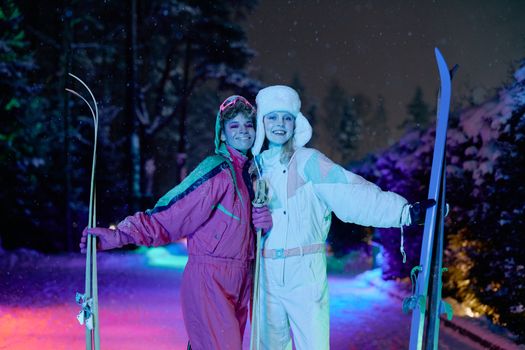
Photo by cottonbro studio / Pexels
Pink lens ski goggles use a rose tint to raise contrast in flat, overcast and low light, so bumps, ruts and tree shadows are easier to read. They suit cloudy days and snowfall. In strong sun on open snow, a darker category 3 lens in grey, brown or mirrored finish is more comfortable.
What do pink lens ski goggles actually do?
A pink (rose) tint absorbs part of the blue and green end of the spectrum and lets warmer wavelengths through. On an overcast day the light is diffuse and shadowless, and snow, sky and ground merge into one white-grey blur. Your eyes lose the shadows they normally use to judge depth, which is how people ski straight into a mogul they never saw. Pink does not create shadows, but it exaggerates the small tonal differences between slightly different whites, so a dip or a ridge becomes visible a fraction earlier. Rose lenses are also usually light to medium in darkness, so they keep plenty of light reaching your eyes on a dull day. Think of the tint as a contrast filter rather than a sunscreen. UV protection is a separate matter: a decent goggle lens should block 100% of UVA and UVB whatever its colour, so read the label instead of judging by tint.
Shop the frames in this guide


When are pink lens ski goggles the right choice?
Choose pink when the sky is the same colour as the snow. That means overcast days, light snowfall, early morning, late afternoon, and tree-lined runs where sun and shade alternate every few seconds. In these conditions a light-to-medium tint beats a dark one, because you want to keep as much light as possible while gaining contrast. Pink is also a sensible single-lens choice if you ski in mountain weather that swings from grey to bright and back within a few hours. If you only ski bluebird days above the treeline, you will rarely use it. The rule we'd follow: pick your lens for the worst light you expect, not the average. Too much brightness is tiring, but you can't ski a surface you can't read.
| Condition | Pink lens | Better alternative |
|---|---|---|
| Overcast, flat light | Excellent | Yellow or amber if it is very dim |
| Light snowfall | Excellent | Night vision lens if it is heavy |
| Trees, mixed sun and shade | Good | Photochromic-style all-rounder lens |
| Full sun on open snow | Too light | Dark grey or mirrored category 3 |
| Glacier or high altitude sun | Not suitable | Category 4 lens |
When should you pick a different lens colour?
Skip pink when the sun is the main problem, not the flat light. On open slopes under a clear sky, snow reflects a lot of light back at your face, and a light rose tint will leave you squinting by lunchtime. A dark grey, brown or mirrored lens in category 3 is the better tool here, and category 4 is for glaciers and extreme altitude. Pink is also the wrong answer after dark. For floodlit night sessions or heavy snow in fading light, you want a lens built for low light. That is why we like goggles that bring a second lens with them: the Alpine series includes a night vision lens, so one purchase covers two kinds of light. Remember that any coloured lens shifts how you see colour, so on your first run check that piste markers and other skiers' jackets still read clearly.
- Bright sun, big open bowls: go darker, not pinker.
- Night skiing: use a night vision or clear lens.
- Whiteout with no visible terrain: no tint will rescue it, so slow down.
How do you choose pink lens ski goggles?
Start with the light you ski in, then check tint, UV rating and fit, in that order. For mostly grey or mixed days, a rose lens of light to medium darkness (typically category 1 or 2 on the 0 to 4 scale used for tinted lenses) is the sensible range. Confirm the lens blocks 100% of UVA and UVB, or carries a UV400 marking. Then look at ventilation and anti-fog treatment, because a lens that fogs gives you worse visibility than any tint choice could fix. Finally, make sure the goggle sits flush against your face with no gap above the nose or under your helmet brim, since gaps let in cold air and cause fogging.
- Think about your usual weather. Mostly dull or snowy means pink makes sense.
- Check the lens category and the UV label before anything else.
- Try the goggles on with your helmet. The foam should touch evenly all round.
- Look for a second lens in the box. A spare for bright days or darkness saves you buying twice.
- On the first run, look at red and orange objects. If they blur into the snow, the tint may not suit your eyes.
A habit worth copying: never wipe the inside of the lens with a glove. It smears the anti-fog layer and leaves you with permanent haze. Let it air-dry, and use a soft microfibre cloth on the outside only.
Can you wear pink lens ski goggles if you need glasses?
Often yes, but fit decides it. If you wear prescription glasses, you have two realistic routes: a goggle with enough interior depth to sit over your frames, or a goggle that accepts a prescription insert. Which one your goggle supports depends on the model, so check the product details before ordering, and ask your optician what is suitable for your prescription and the demands of skiing. If you go for glasses under goggles, frame choice matters more than people expect. Thin, flat temples are more comfortable under a helmet and goggle strap, and a lightweight frame in titanium or flexible memory metal presses less on the sides of your head over a full day. Avoid thick acetate temples, which create pressure points under the strap. Choose a lens index that keeps the lens slim if your prescription is strong: 1.61, 1.67 or 1.74 all produce thinner lenses than 1.56.
Where can you get pink lens ski goggles?
Lensdy sells Alpine Pink Snow Goggles with a night vision lens included, so you get a second option for low light without paying for it separately. If pink is not your colour, the Alpine series also comes in Blue and Black, with the same night vision lens included. For the walk to the lift, the drive and the terrace afterwards, our Sunglasses collection includes prescription sunglasses, so you are not squinting once the goggles come off. Beyond the slopes, Lensdy has 200+ frame styles and affordable prescription lenses in single vision, progressive, blue light blocking and photochromic options. Shipping is free on orders over €59, and most orders arrive within 1 to 2 weeks. Winter is close, so order early enough to test your goggles before the trip.
Frequently Asked Questions
Are pink lens ski goggles good for sunny days?
Not usually. Pink lenses are light to medium in darkness and are designed for flat light and snowfall. On bright, sunny slopes a darker grey, brown or mirrored lens is more comfortable and reduces glare better.
Do pink lenses block UV light?
Tint colour does not determine UV protection. A quality goggle lens blocks 100% of UVA and UVB regardless of colour, so look for a UV400 or 100% UV protection label on the product page.
What is better in flat light, pink or yellow?
Both lift contrast. Pink and rose tints tend to feel more natural and are easier on the eyes across a long day, while yellow and amber are brighter and suit very dim, foggy conditions. If you can only have one, pick the one that matches your most common weather.
Can I use pink goggles for night skiing?
A standard pink lens is too tinted for darkness. Use a night vision or clear lens for floodlit sessions. The Alpine goggles come with a night vision lens included for exactly that situation.
Ready to pick a pair? Browse lensdy.com for snow goggles, prescription sunglasses and 200+ frame styles, and check that your order qualifies for free shipping on orders over €59 over €59 before you check out.