

Why Your Sunglasses Will Look Outdated by Summer 2027
The sunglasses you're wearing today might scream "2026" by next summer, and not in a good way.
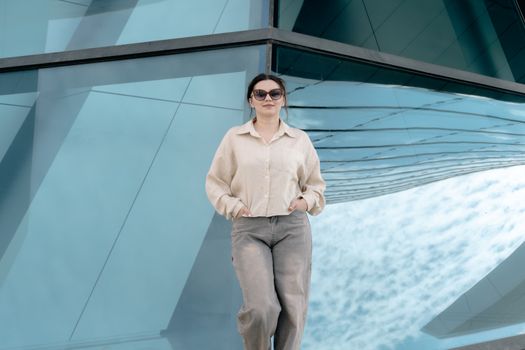
Photo by Zulfugar Karimov / Pexels
Sunglasses trends 2027 are shifting toward minimalist titanium wire frames, geometric acetate shapes with softer angles, and photochromic lenses that adapt seamlessly between indoor and outdoor environments. The oversized plastic frames dominating 2026 will feel heavy-handed as consumers gravitate toward refined silhouettes that balance technical performance with understated elegance.
Are oversized frames becoming fashion victims in 2027?
The massive acetate frames that defined 2025 and 2026 are hitting their peak saturation point, creating a natural backlash toward more refined proportions. Oversized sunglasses have dominated for a long stretch, and eyewear trends rarely stay on top that long. The shift toward smaller, more architectural shapes reflects a broader cultural move away from maximalist accessories. Contemporary designers are focusing on frames that enhance facial features rather than overwhelming them, with lens widths coming back down from the giant sizes of recent seasons. This downsizing isn't just aesthetic - smaller frames offer better peripheral vision and feel more secure during active wear, addressing practical concerns that oversized styles couldn't solve.
The most telling sign of this shift is how luxury eyewear brands are repositioning their collections. Italian manufacturers report increased orders for medium-sized acetate blocks, while oversized moulds sit idle in production facilities. The pendulum is swinging toward frames that feel substantial without dominating your entire face.
Shop the frames in this guide


Which lens technologies will define 2027 sunglasses trends?
Photochromic technology is becoming the standard expectation rather than a premium upgrade, fundamentally changing how consumers think about sunglasses functionality. Modern photochromic lenses darken quickly outdoors and clear again indoors, eliminating the need to carry separate indoor and outdoor eyewear. This technology has improved dramatically since early versions that stayed permanently tinted - today's lenses achieve true clarity indoors while providing full UV protection outdoors. Blue light filtering is also becoming integrated into standard sun lenses, addressing screen use during outdoor activities. Anti-reflective coatings on the back surface reduce glare bouncing off the lens into your eyes, particularly important with wraparound and curved lens designs. Progressive sunglasses are gaining traction among consumers over 40 who want distance vision for driving and intermediate vision for phone use without switching glasses.
The key advancement is lens customisation becoming accessible rather than exclusive. Online retailers now offer prescription sunglasses with multiple coatings and treatments at price points that were unthinkable five years ago.
Essential lens technologies for 2027:
- Photochromic transition lenses (clear to dark adaptation)
- Integrated blue light filtering for outdoor screen use
- Back-surface anti-reflective coating
- Progressive prescription options for multifocal needs
- High-index materials (1.67, 1.74) for strong prescriptions
What frame materials are gaining momentum for 2027?
Titanium wire frames are experiencing a renaissance as consumers prioritise durability and lightweight comfort over bold visual statements. Pure titanium weighs roughly half as much as equivalent steel frames while offering superior corrosion resistance and hypoallergenic properties. Memory metal temples, often made from titanium alloys, return to their original shape after bending, solving the common problem of loose-fitting sunglasses. Flexible hinges eliminate the pressure points that cause discomfort during extended wear, particularly important for prescription sunglasses that need precise positioning. Acetate remains popular but is evolving toward more sophisticated colour combinations and translucent effects rather than solid blocks of colour. Plant-based acetates are gaining ground, though performance remains identical to traditional cellulose acetate. Rimless and semi-rimless designs are returning as lens-cutting technology improves, allowing complex curves without structural weakness.
The material choice often comes down to lifestyle demands. Titanium excels for active users and those with metal sensitivities, while acetate offers more dramatic colour options and vintage-inspired shapes.
If you're shopping in cities like Szeged, you'll notice local opticians are starting to stock more titanium options, reflecting this growing demand across Hungary.
How are geometric shapes evolving in 2027 sunglasses design?
Angular geometry is softening into more organic curves while maintaining architectural interest, creating frames that feel modern without appearing harsh or aggressive. The severe rectangular frames of 2025 are giving way to subtly rounded rectangles and modified cat-eye shapes that complement a wider range of face shapes. Hexagonal and octagonal lenses are appearing in high-end collections, offering geometric appeal with better optical properties than extreme rectangular cuts. Bridge designs are becoming more prominent as focal points, with keyhole bridges and double bridges adding visual interest to otherwise minimal frames. Temple designs are emphasising clean lines with minimal branding, letting the frame geometry speak for itself. Gradient tints are being applied more strategically, with darker tops fading to lighter bottoms that maintain UV protection while improving visibility for reading phones or dashboards.
The evolution reflects a maturation of geometric trends - keeping the architectural appeal while improving wearability and universal flattering qualities.
| Shape trend | Face compatibility | Key feature |
|---|---|---|
| Soft rectangles | Round, oval faces | Rounded corners reduce harshness |
| Modified cat-eye | Heart, square faces | Subtle upswept outer corners |
| Hexagonal lenses | Angular face shapes | Six-sided geometry with curved edges |
| Keyhole bridges | Universal appeal | Vintage-inspired bridge cutout |
Why are magnetic clip-on systems becoming mainstream in 2027?
Magnetic clip-on sunglasses solve the fundamental problem of owning multiple pairs of glasses by offering prescription, sun protection, and blue light filtering in one versatile system. High-strength neodymium magnets create secure connections that withstand normal activity while allowing instant switching between configurations. The cost savings are significant - instead of buying separate prescription glasses, prescription sunglasses, and computer glasses, users invest in one base frame with multiple magnetic attachments. Modern magnetic systems use precisely positioned magnets that don't interfere with the optical zone, maintaining clear vision across the entire lens surface. The attachments are designed to match the base frame curvature exactly, preventing gaps that cause light leakage or aesthetic disruption. Three-in-one and four-in-one systems offer maximum versatility, with some including photochromic clips that adapt to changing light conditions.
The technology has reached a tipping point where magnetic connections are strong enough for active use while remaining easy to operate single-handed. This convenience factor is driving adoption beyond the traditional budget-conscious segment into premium eyewear categories.
What prescription options work best with 2027 sunglasses trends?
Single vision prescriptions remain the most popular choice for sunglasses, offering optimal clarity for distance vision activities like driving and outdoor sports, while progressive lenses are gaining adoption among presbyopic users who need multiple focal points. High-index lens materials become essential for stronger prescriptions to maintain the sleek profiles that define 2027 frame trends - 1.67 and 1.74 index lenses reduce thickness significantly compared to standard 1.50 materials. Photochromic prescriptions eliminate the need to switch between regular glasses and prescription sunglasses, though transition speed varies with temperature and UV intensity. Anti-reflective coating on prescription sunglasses prevents internal reflections that cause visual disturbance, particularly important with wraparound and curved lens designs. Aspheric lens designs reduce edge thickness and distortion in higher prescriptions, maintaining cosmetic appeal in fashionable frame shapes. Polarised prescription lenses cut reflected glare from water, roads, and car hoods, though they can interfere with LCD screen visibility in vehicles.
The key consideration is balancing optical performance with frame aesthetics - thinner lenses allow more frame style options while stronger prescriptions may require specific frame shapes for optimal results.
- Mild prescriptions (-2.00 to +2.00): Most frame styles work with standard 1.56 index
- Moderate prescriptions (-4.00 to +4.00): 1.61 or 1.67 index recommended for thinner profiles
- Strong prescriptions (beyond ±4.00): 1.74 index and carefully selected frame shapes
- Progressive needs: Larger lens heights required for comfortable intermediate and near zones
How should you choose sunglasses that won't date quickly?
Timeless sunglasses combine classic proportions with quality construction, avoiding extreme trends that will look obviously dated within two years of purchase. Focus on frame shapes that have remained popular across multiple decades - aviators, wayfarers, and round lenses have proven staying power because they complement fundamental facial geometry rather than following temporary fashion cycles. Neutral colours in acetate frames age better than bold patterns or unusual colour combinations, while classic tortoiseshell and black remain universally flattering. Metal frames in gold, silver, or gunmetal tones offer longevity compared to coloured metal finishes that may feel dated quickly. Lens size should balance current trends with practical considerations - moderate proportions typically outlast extremely large or small lenses. Quality construction details like reinforced hinges, properly fitted nose pads, and smooth temple curves indicate frames built to last both mechanically and aesthetically. Prescription compatibility ensures your investment remains useful if your vision changes, making quality prescription sunglasses more cost-effective than multiple pairs of non-prescription fashion frames.
The goal is finding frames that feel current without being obviously trendy, allowing you to wear them confidently for several years regardless of shifting fashion cycles. The same thinking applies to your everyday pair: here are the glasses trends that will look dated by 2027.
Where can you find quality sunglasses that embrace 2027 trends?
Lensdy offers an extensive selection of prescription sunglasses that align perfectly with emerging 2027 trends, combining contemporary frame designs with advanced lens technologies at accessible price points. The collection spans titanium wire frames, geometric acetate designs, and innovative magnetic clip-on systems that provide maximum versatility. The Luxe model exemplifies the refined minimalism trending for 2027, while frames like Aria and Azure offer geometric appeal with softened edges that will remain current beyond next summer.
Lensdy ships across Europe with most orders reaching Hungarian customers in Miskolc and other cities within 1-2 weeks. Their prescription options include single vision, progressive lenses, photochromic technology, and high-index materials up to 1.74 for strong prescriptions. The magnetic clip-on systems, including Magneto 3-in-1 and Polyhedron 4-in-1 options, provide the versatility that defines smart eyewear purchasing in 2027.
Free shipping applies to orders over €59, making it cost-effective to add lens upgrades like anti-reflective coating or photochromic technology. Their sunglasses collection spans classic and contemporary styles, ensuring you can find frames that embrace current trends while maintaining long-term appeal.
Frequently Asked Questions
Will oversized sunglasses look completely outdated in 2027?
Oversized frames won't disappear entirely, but they'll feel less current as medium-sized and architectural shapes gain popularity. The most extreme oversized styles from 2025-2026 will appear dated, while moderately oversized frames with interesting geometric details may retain appeal.
Are photochromic lenses worth the investment for 2027?
Yes, photochromic technology has improved significantly and offers practical benefits that align with minimalist trends. Modern photochromic lenses transition quickly and provide UV protection while eliminating the need for separate indoor and outdoor eyewear.
How do magnetic clip-on sunglasses compare to traditional prescription sunglasses?
Magnetic systems offer superior versatility and value, allowing one frame to serve multiple functions. The magnetic connections in quality systems are secure enough for normal activities while providing instant adaptability that separate glasses cannot match.
Should I choose titanium or acetate frames for longevity?
Both materials offer excellent durability when well-constructed. Titanium provides lighter weight and hypoallergenic properties, while acetate offers more colour options and vintage appeal. Choose based on your aesthetic preferences and any metal sensitivities.
Ready to find sunglasses that will look great through 2027 and beyond? Browse the full selection at lensdy.com and discover prescription eyewear that combines lasting style with cutting-edge lens technology.