

Why Astigmatism Numbers on Your Prescription Look Confusing
Your prescription reads CYL -1.25 x 180, and you're staring at it like it's written in code. The cylinder (CYL) number indicates astigmatism correction strength, while the axis number shows the angle where that correction is applied.
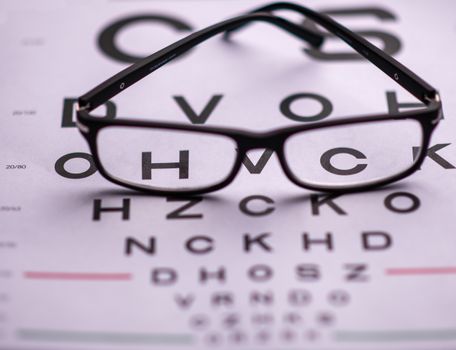
Photo by Skyler Ewing / Pexels
Astigmatism on a prescription appears as two specific measurements: the cylinder power (marked CYL) which ranges from -0.25 to -4.00 or higher, and the axis number from 1 to 180 degrees. The cylinder corrects the football-shaped curve of your cornea, while the axis tells the lens maker exactly where to position that correction. Without both numbers, your lenses would blur your vision instead of sharpening it.
What do the cylinder and axis numbers actually mean?
The cylinder power measures how much astigmatism correction your eye needs, written as a negative number like -0.75, -1.50, or -2.25. This number works alongside your sphere power (for nearsightedness or farsightedness) to create the right lens curve. The higher the cylinder number, the more pronounced your astigmatism. A -0.25 cylinder represents mild astigmatism that barely affects daily vision, while -2.00 or higher indicates significant astigmatism that makes text appear blurred or doubled without correction. The axis number, ranging from 1 to 180 degrees, pinpoints exactly where your eye's irregular curve occurs. Think of it as a clock face: 90 degrees sits at 12 o'clock, while 180 degrees points to 3 o'clock. Your optometrist measures this angle during your eye test using a device called a phoropter, rotating different lenses until your vision sharpens. The axis never changes unless your eye shape shifts over years, but the cylinder power can increase or decrease with age.
European prescriptions sometimes write cylinder as a positive number instead of negative, but the correction remains identical. If you see +1.25 x 90 on a prescription from certain countries, it equals -1.25 x 90 with a sphere adjustment.
Your prescription might show different cylinder powers for each eye. One eye could read -0.50 x 45 while the other shows -1.75 x 135, which is perfectly normal since astigmatism rarely develops symmetrically.
Shop the frames in this guide


How does astigmatism affect your lens thickness and frame choice?
Astigmatism correction creates uneven lens thickness across the surface, particularly noticeable with cylinder powers above -1.50. The thickest part of your lens sits perpendicular to your axis angle, while the thinnest section aligns with the axis direction. Higher cylinder corrections also limit your frame options since the lens needs enough surface area to accommodate the varying thickness without creating distortion at the edges. Rimless frames work poorly with cylinder powers above -2.00 because the lens edges become too thick to mount securely. Large rectangular frames often suit high astigmatism prescriptions better than small round styles, giving the lens sufficient space to distribute the correction evenly. Progressive lenses combined with astigmatism require extra precision in fitting, as the cylinder correction must align perfectly with your natural head position and reading angle.
Lens material becomes crucial with higher cylinder corrections. Standard 1.56 index lenses create noticeable edge thickness with cylinder powers above -1.75, making 1.61 or 1.67 index materials worth considering.
The axis angle affects which frame edges show the thickest lens sections. An axis of 90 degrees concentrates thickness at the top and bottom of the lens, while 180 degrees creates thickness on the sides.
Why do some opticians struggle with higher astigmatism prescriptions?
Cylinder corrections above -2.50 require specialized cutting equipment and experienced technicians to achieve accurate results. Many high-street opticians send complex astigmatism prescriptions to external labs, adding processing time and potential measurement errors during transfer. The axis must be positioned within 5 degrees of the prescribed angle, or your vision becomes noticeably blurred. Cheaper lens cutting machines often lack the precision needed for high cylinder corrections, leading to headaches and visual discomfort when you collect your glasses. Toric lens surfaces, used for astigmatism correction, cost significantly more to manufacture than spherical lenses, explaining why some budget providers either refuse high cylinder prescriptions or charge substantial surcharges. Online retailers with professional-grade equipment and experienced lab technicians often handle complex astigmatism prescriptions more reliably than local shops using basic cutting tools.
Frame alignment becomes critical with astigmatism lenses. If your glasses sit crooked or slide down your nose, the axis shifts from its prescribed position and your vision quality drops immediately.
Some laboratories struggle with combining high cylinder corrections with other lens features like photochromic tinting or progressive zones, limiting your options unnecessarily.
What happens when astigmatism correction goes wrong?
Incorrectly made astigmatism lenses cause immediate visual problems that worsen with wear time. An axis error of just 10 degrees creates noticeable blurriness and can trigger headaches within hours of wearing the glasses. Wrong cylinder power produces similar symptoms: too weak and distant objects remain fuzzy, too strong and you'll experience eyestrain and distorted peripheral vision. Modern digital lens surfacing reduces these errors compared to traditional grinding methods, but many budget labs still use older equipment prone to measurement mistakes. Quality control becomes essential with astigmatism prescriptions since the correction must be verified with specialized instruments before shipping. Some online providers photograph your finished lenses through verification equipment, confirming the exact cylinder power and axis before dispatch.
Poorly fitted frames compound astigmatism lens problems. Even perfectly made lenses lose effectiveness if they sit at the wrong angle on your face or shift during normal movement.
Can all frame styles work with astigmatism prescriptions?
Frame size and shape directly impact astigmatism lens performance, with some styles creating unavoidable optical compromises. Wraparound sunglasses distort toric lens surfaces, making cylinder corrections above -1.00 impractical for sports frames with extreme curves. Tiny circular frames concentrate high cylinder corrections into a small area, often producing thick, heavy lenses that shift the frame balance and slide down your nose. Oversized frames suit most astigmatism prescriptions well, distributing the lens thickness across a larger surface and reducing edge distortion. Metal frames with adjustable nose pads help maintain proper axis alignment better than fixed plastic bridges, particularly important with cylinder powers above -1.50. Progressive lenses with astigmatism correction work best in frames with sufficient vertical height, typically 32mm or more, allowing space for the reading zone without compromising the cylinder correction.
Certain designer frames with unusual proportions may not accommodate high astigmatism prescriptions effectively, despite their aesthetic appeal.
When browsing frames online, lens thickness simulators help predict how your astigmatism prescription will look in different frame shapes and sizes.
How Lensdy handles complex astigmatism prescriptions
When you order, copy the CYL and AXIS values exactly as they appear on your prescription. If anything on the form is unclear, ask your optician before you submit it.
We offer high-index lens materials (1.61, 1.67, and 1.74) to minimize thickness with stronger cylinder corrections, and our frame collection includes styles specifically selected to work well with astigmatism lenses. The Rose and Rosidian frames provide excellent lens support for moderate astigmatism, while larger styles like Pol White suit higher cylinder powers.
Anti-reflective coating is worth considering, because glare can be more noticeable with toric lenses. Most orders reach customers across Europe within 1–2 weeks, and shipping is free on orders over €59.
Browse our complete prescription glasses collection to find frames that work perfectly with your astigmatism prescription, backed by our professional lens manufacturing and quality verification process.
Frequently Asked Questions
Can astigmatism prescriptions change over time?
Yes, both cylinder power and axis can shift gradually with age, eye injury, or certain medical conditions. Most adults see minimal changes in axis angle after age 30, but cylinder power may increase slightly over decades. Regular eye tests every two years help track these changes.
Do I need special lens coatings for astigmatism correction?
Anti-reflective coating becomes more beneficial with astigmatism lenses since toric surfaces reflect light differently than spherical lenses. The coating reduces glare and improves visual clarity, particularly noticeable with cylinder corrections above -1.00.
Why does my astigmatism prescription cost more than regular lenses?
Toric lens surfaces require specialized manufacturing equipment and additional quality control steps compared to simple spherical lenses. The complex curves and precise axis alignment increase production costs, typically adding €30-60 to lens prices depending on the cylinder power.
Can I wear contact lenses instead of glasses for astigmatism?
Toric contact lenses can correct astigmatism, but they're more expensive than regular contacts and require precise fitting by an optician. Many people with astigmatism prefer glasses for reliability and comfort, especially for extended computer work or reading.