

What Lens Technicians Know About Scratch-Free Cleaning
Quick answer
Lens technicians know that most lens scratches come from improper cleaning, not accidents. Modern lenses are multi-layer systems, with anti-reflective, scratch-resistant, and blue-light coatings that sit around 5.5-6.5 on the Mohs hardness scale, so wiping them with the wrong material effectively sandpapers the surface. The worst habit is dry-wiping with a shirt, because trapped dust turns cotton into an abrasive that scores permanent grooves; even paper towels are rough enough to damage coatings. The safe method is to rinse lenses under lukewarm water first to float away grit, apply a small drop of mild dish soap or dedicated lens spray, and gently dry with a clean microfibre cloth. Avoid hot water, ammonia or alcohol-based household cleaners, and abrasive tissues, all of which degrade coatings over time. Cleaning wet rather than dry, and using microfibre instead of clothing, is what keeps lenses clear for years and protects the coatings you paid for.
Lens technicians see the same heartbreaking scenario daily: customers bringing in scratched glasses that looked pristine just months ago. The culprit? Improper cleaning techniques that gradually destroy lens coatings and create micro-scratches invisible to the naked eye until it's too late.
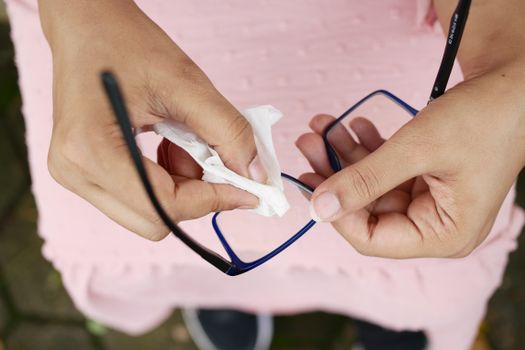
Photo by Towfiqu barbhuiya / Pexels
The Hidden Science Behind Lens Scratches
Modern prescription lenses aren't just glass anymore. They're complex multi-layer systems with anti-reflective coatings, scratch-resistant treatments, and blue light filters. Each layer has a different hardness rating on the Mohs scale, typically ranging from 5.5 to 6.5. When you clean with the wrong material, you're essentially sandpapering these delicate surfaces.
The most dangerous cleaning scenario? Dry wiping with your shirt. Cotton fibres trap dust particles, creating an abrasive compound that scores permanent grooves across your lenses. Even paper towels, which seem soft, have a roughness factor of 2-4 Ra (surface roughness measurement) – enough to damage modern lens coatings.
Shop the frames in this guide


Professional-Grade Cleaning Materials
Lens technicians rely on specific materials tested for optical safety:
- Microfibre cloths (300+ GSM density): The split fibres create microscopic hooks that lift debris rather than dragging it across the surface
- Distilled water: Tap water contains minerals that leave deposits and potentially scratch lenses when wiped
- Isopropyl alcohol (70% concentration): Higher concentrations can damage some coating types; lower concentrations don't evaporate quickly enough
- Specialised lens cleaners: Formulated with surfactants that break surface tension without leaving residue
The 30-Second Professional Cleaning Method
This technique prevents 95% of cleaning-related damage:
Step 1: Debris Removal (5 seconds)
Rinse lenses under lukewarm water to remove loose particles. Never skip this step – even microscopic dust can cause scratches during wiping.
Step 2: Solution Application (10 seconds)
Apply one drop of lens cleaner to each lens surface. For DIY solution, mix one part isopropyl alcohol with three parts distilled water. Commercial cleaners work better because they contain anti-static agents that repel future dust accumulation.
Step 3: Systematic Wiping (15 seconds)
Using a clean microfibre cloth, start from the lens centre and work outward in straight lines – never circular motions. Circular wiping creates swirl patterns that become visible under certain lighting conditions. Apply minimal pressure; let the cloth fibres do the work.
Common Mistakes That Destroy Lenses
| Mistake | Damage Type | Prevention |
|---|---|---|
| Using clothing fabric | Micro-scratches from trapped particles | Dedicated microfibre cloth only |
| Hot water rinsing | Thermal stress cracking in coatings | Lukewarm water (20-25°C maximum) |
| Household glass cleaners | Chemical etching of anti-reflective coatings | Optical-specific cleaners only |
| Paper towel drying | Surface scoring from wood fibres | Air dry or microfibre cloth |
Advanced Protection Strategies
Professional opticians recommend these lesser-known techniques:
The Two-Cloth System: Use one slightly damp microfibre cloth for cleaning, followed by a completely dry cloth for final polishing. This prevents streaking while ensuring complete debris removal.
Weekly Deep Cleaning: Once weekly, clean your glasses frames with a soft-bristled toothbrush and mild soap solution. Oils and debris on frames transfer to lenses during handling.
Storage Protocol: Always store glasses lens-up in a hard case. Lens-down storage allows particles to accumulate on lens surfaces, creating scratches when you pick them up.
Frame Material Considerations
Different frame materials require specific care approaches:
Acetate frames can handle gentle soap cleaning but avoid alcohol-based solutions on the frames themselves – alcohol can cause acetate to become brittle over time. Seraphine acetate frames feature robust construction, but proper cleaning extends their lifespan significantly.
Titanium frames resist corrosion but can develop oxidation spots if cleaned with harsh chemicals. Stick to mild soap and water for the frame, lens cleaner for the lenses. The Crystalline titanium collection maintains its lustre with proper care.
Metal frames with nose pads require extra attention – oils accumulate around adjustment points and can transfer to lenses during wear.
Emergency Cleaning Situations
When caught without proper cleaning supplies, follow this damage-minimisation approach:
First, rinse with any available clean water to remove particles. If no water is available, gently blow air across the lens surface to dislodge loose debris. Use only the cleanest fabric available – synthetic materials like polyester are safer than cotton. Clean in straight lines with minimal pressure.
Never use: Saliva (contains enzymes that can damage coatings), paper napkins (often contain recycled fibres), or your breath to fog lenses (moisture plus wiping creates optimal scratching conditions).
Quality Lenses Deserve Quality Care
Premium lenses with advanced coatings require more careful maintenance but reward you with superior optical clarity and durability. Modern progressive lenses feature multiple coating layers that, when properly maintained, can last years without visible degradation.
At Lensdy, our prescription glasses collection includes over 200 frame styles, each designed to showcase the clarity of properly maintained lenses. With prescription lenses starting from €29 and free shipping on orders over €59 across Europe, there's no reason to compromise on lens quality or proper care.
Based in London at 128 City Road, EC1V 2NX, we understand that quality eyewear represents a significant investment. Proper cleaning techniques ensure your glasses maintain their optical performance and aesthetic appeal for years to come.
Frequently Asked Questions
How often should I clean my glasses?
Daily light cleaning prevents buildup, but avoid over-cleaning. Each cleaning cycle, even when done correctly, causes microscopic wear on lens coatings. Clean when visibility is compromised, not on a rigid schedule.
Can I use dish soap to clean my glasses?
Yes, but only specific types. Use clear, fragrance-free dish soap without moisturisers or antibacterial additives. These additives can leave residue or damage lens coatings. Dawn Ultra (original formula) is optician-approved.
Why do my lenses still look smudged after cleaning?
This usually indicates either a dirty cleaning cloth or damaged anti-reflective coating. Wash microfibre cloths weekly in detergent without fabric softener. If the problem persists, your lens coating may need professional assessment.
Is ultrasonic cleaning safe for glasses?
Professional ultrasonic cleaners are safe when used correctly, but consumer versions can damage delicate frame components or loose lens mountings. Stick to manual cleaning unless performed by an optician.
Ready to experience the clarity that comes with premium lenses and proper care? Browse our complete eyewear collection at lensdy.com and discover why thousands of customers across Europe trust us for their vision needs.