

Ultrasonic vs Manual Glasses Cleaning: What Actually Works
Ultrasonic glasses cleaners use high-frequency vibrations (typically 40,000-50,000 Hz) to create microscopic bubbles that implode against dirt particles. These devices effectively remove oils, dust, and debris from hard-to-reach areas like nose pad crevices and screw holes within 3-5 minutes, making them significantly more thorough than manual wiping for deep cleaning.
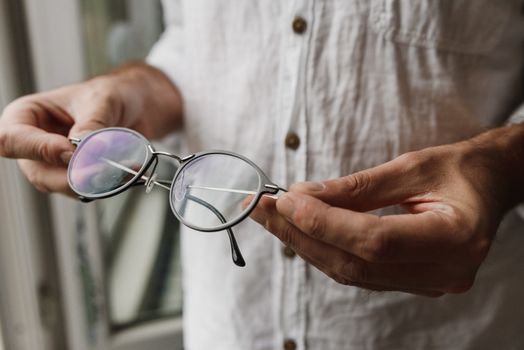
Photo by Arina Krasnikova / Pexels
How do ultrasonic cleaners actually remove dirt from glasses?
Ultrasonic cleaners generate sound waves above human hearing range that create cavitation bubbles in water or cleaning solution. When these bubbles collapse near your lenses, they produce tiny shock waves that dislodge particles without physical scrubbing. The process requires complete submersion of your glasses in the cleaning bath, with the ultrasonic transducer typically mounted at the bottom of the tank. Most consumer units operate at 40 kHz frequency, which penetrates effectively into small gaps around hinges and nose pads where manual cleaning struggles. The vibrations are gentle enough to avoid damaging anti-reflective coatings or photochromic treatments, yet powerful enough to remove stubborn fingerprints and facial oils that accumulate throughout daily wear.
The cleaning cycle typically takes 3-8 minutes depending on soil level. Adding a drop of dish soap to the water enhances the process by reducing surface tension, allowing bubbles to form more readily and penetrate deeper into microscopic surface irregularities.
Shop the frames in this guide


What materials and coatings are safe in ultrasonic baths?
Modern prescription glasses with standard lens treatments handle ultrasonic cleaning well, including anti-reflective coatings, blue light filtering, and photochromic lenses. Polycarbonate, CR-39 plastic, and high-index materials (1.56, 1.61, 1.67, 1.74) all withstand the gentle vibrations without delamination or coating damage. Titanium, stainless steel, and acetate frames are completely compatible with water-based ultrasonic cleaning. However, certain vintage or specialty coatings may be more fragile - polarized films on older sunglasses occasionally show edge lifting after repeated ultrasonic exposure, particularly if the polarizing layer was already compromised. Wood or natural horn frames should never be submerged, as water absorption can cause cracking or warping.
Temperature matters significantly. Keep water lukewarm (around 30-35°C) rather than hot, as excessive heat combined with vibration can stress frame materials and lens-to-frame bonding.
How effective is ultrasonic cleaning compared to microfiber cloths?
Ultrasonic cleaning excels at removing embedded particles and oils that microfiber cloths cannot reach, particularly around nose pads, temple joints, and lens edges. While a quality microfiber cloth effectively removes surface smudges and light dust without scratching, it cannot penetrate into frame crevices where skin oils and dead skin cells accumulate over weeks of wear. Ultrasonic action reaches these hidden areas, making glasses feel noticeably lighter and more comfortable after cleaning. However, microfiber remains superior for quick daily maintenance and emergency cleaning when you need clear vision immediately. The vibration process requires setup time, proper water temperature, and complete drying afterward.
For lens surfaces specifically, both methods perform similarly on fresh fingerprints, but ultrasonic cleaning removes older, oxidized oils that have bonded more strongly to anti-reflective coatings. Many opticians in cities like Ostrava recommend combining both approaches - daily microfiber maintenance with weekly ultrasonic deep cleaning.
What are the limitations and potential risks?
Ultrasonic cleaners cannot fix existing scratches or restore worn anti-reflective coatings - they only remove surface contamination. The process requires distilled water to prevent mineral deposits, and the cleaning solution must be changed regularly to avoid redepositing removed oils back onto your glasses. Some people experience temporary fogging issues if frames retain moisture in hidden areas after cleaning, particularly with rimless or semi-rimless designs where water can become trapped between lens and mounting hardware. Additionally, loose screws may vibrate further loose during the cleaning cycle, so check frame tightness beforehand.
The biggest limitation is convenience - ultrasonic cleaning takes 5-10 minutes including setup and drying time, making it impractical for quick touch-ups throughout the day. Battery-powered portable units lack sufficient power for effective cleaning, while proper countertop models require dedicated storage space.
When should you choose ultrasonic over traditional cleaning methods?
Ultrasonic cleaning provides the most benefit for people who wear glasses continuously and accumulate significant buildup around nose pads and temples, particularly those with oily skin or who work in dusty environments. If you own multiple pairs of glasses, the efficiency of cleaning several frames simultaneously makes ultrasonic worthwhile. Sports glasses wearers see dramatic improvements, as sweat and sunscreen residue embed deeply into frame textures that manual cleaning cannot fully address. However, if you primarily need to remove occasional fingerprints or light dust, quality microfiber cloths and lens cleaning spray remain more practical for daily use.
Consider ultrasonic cleaning essential if you wear complex frame designs with intricate details or multiple components where dirt accumulates in hard-to-reach areas.
Professional vs Consumer Ultrasonic Units
Professional optical shop cleaners operate at higher power levels and offer heated tanks with specialized cleaning solutions. Consumer units typically provide 80-90% of professional cleaning effectiveness at a fraction of the cost, making them worthwhile for regular home use.
| Feature | Consumer Units | Professional Units |
|---|---|---|
| Frequency | 40-42 kHz | 40-80 kHz variable |
| Tank Capacity | 300-600ml | 1-5 litres |
| Heating | Basic or none | Precise temperature control |
| Price Range | €30-80 | €200-800 |
What cleaning routine works best for different lens types?
Progressive and varifocal lenses benefit enormously from ultrasonic cleaning because smudges in the reading portion significantly impact close-up clarity, and these lower lens areas collect more debris from looking down frequently. Blue light filtering lenses maintain their effectiveness longer when oils are completely removed rather than just redistributed by cloth wiping. Photochromic lenses transition more evenly when the entire surface is uniformly clean, as embedded particles can create uneven darkening patterns in bright sunlight. High-index lenses (1.67, 1.74) show smudges more readily due to their surface properties, making thorough ultrasonic cleaning particularly beneficial for maintaining clear vision throughout the day.
For daily wear prescription glasses, combine gentle ultrasonic cleaning weekly with microfiber maintenance between deep cleans. This approach maximizes lens clarity while preventing coating damage from over-cleaning.
Maximizing ultrasonic cleaning effectiveness
Water quality significantly impacts cleaning results. Distilled water prevents mineral buildup on lenses, while tap water in areas like Plzeň with higher mineral content can leave spots that require additional rinsing. Add one drop of mild dish soap per 200ml of water to enhance cavitation bubble formation, but avoid antibacterial soaps that may leave residue films. Position glasses so lenses face the ultrasonic transducer for maximum bubble contact, and ensure complete submersion without overcrowding the tank.
Pre-cleaning steps:
- Remove loose debris with compressed air or soft brush
- Check frame screws for tightness
- Use lukewarm distilled water (30-35°C)
- Add minimal cleaning solution - more is not better
Post-cleaning protocol:
- Rinse with clean distilled water
- Shake gently to remove trapped water
- Air dry completely before wearing
- Final polish with clean microfiber if needed
Choosing quality frames that stay cleaner longer
Frame design significantly affects how quickly glasses accumulate debris and how easily they clean. Smooth acetate surfaces like those on modern rectangular frames resist oil buildup better than heavily textured materials, while titanium frames offer natural antimicrobial properties that reduce bacterial accumulation around nose pads.
At Lensdy, we understand that lens clarity depends on both quality coatings and proper maintenance. Our 200+ frame collection includes designs optimized for easy cleaning, from smooth acetate styles to hypoallergenic titanium options. Based in London at 128 City Road, EC1V 2NX, we ship across Europe with most orders arriving within 1-2 weeks. Our affordable prescription lens options include anti-reflective treatments that resist fingerprints and high-index materials (1.56 through 1.74) that maintain clarity with proper care.
Whether you choose ultrasonic or traditional cleaning methods, investing in quality frames and lenses makes maintenance easier and more effective. Browse our prescription glasses collection to find frames designed for both style and practicality, with free shipping on orders over €59.
Ready to upgrade your eyewear? Visit lensdy.com to explore our complete range of prescription glasses, progressive lenses, and specialty coatings designed for European customers who value both quality and convenience.