

The Truth About Vintage Round Glasses Face Shapes
The Face Shape Myth That Ruins Round Glasses
Walk into any optician and you'll hear the same tired advice: "Round glasses only work on square faces." This oversimplified rule has prevented countless people from wearing vintage round glasses that would actually enhance their features. After fitting thousands of frames, the reality is far more nuanced.
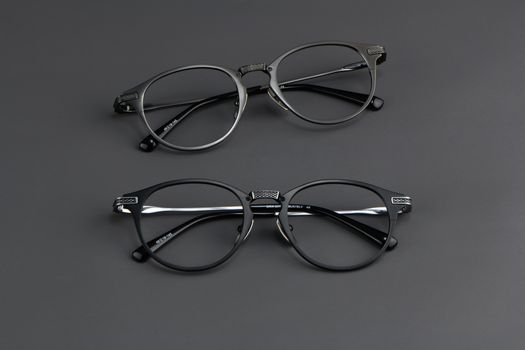
Photo by 韩 璋鑫 / Pexels
The traditional face shape categories—oval, round, square, heart—were created for marketing, not optical science. Your bone structure, cheekbone height, and temple width matter more than whether your jawline looks "square" in a mirror.
Why Round Glasses Work on More Faces Than You Think
Round vintage frames create visual balance through proportion, not opposition. Here's what actually determines if round glasses will flatter you:
Temple Width Measurements
The distance between your temples should match the frame's total width within 2-4mm. Most vintage round glasses range from 130-145mm total width. If your temple-to-temple measurement is 135mm, a 133-139mm frame will sit properly without pinching or sliding.
Cheekbone Positioning
High, prominent cheekbones can handle larger round frames (50-52mm lens diameter) because they create natural shadow lines that break up the circular shape. Lower cheekbones work better with smaller rounds (46-48mm) to avoid overwhelming the mid-face area.
Nose Bridge Compatibility
Vintage round glasses typically feature keyhole or saddle bridges that distribute weight differently than modern adjustable nose pads. A narrow nose bridge (14-16mm) needs a keyhole style, while wider bridges (18-20mm) can support traditional round saddle bridges.
The Three Round Glasses Rules That Actually Matter
| Feature | Frame Size | Why It Works |
|---|---|---|
| Strong jawline | 46-48mm lens | Creates visual softening without overwhelming facial angles |
| Soft features | 49-52mm lens | Adds definition and structure to delicate bone structure |
| Long face shape | Medium thickness frames | Horizontal visual weight shortens facial length perception |
Material Makes the Difference
Acetate vintage rounds appear more substantial than metal ones, even in identical sizes. A 48mm acetate frame will look larger than a 50mm titanium frame due to material thickness and light reflection properties.
Metal rounds work particularly well on angular faces because the thin material creates subtle definition without harsh lines. The Blizzard demonstrates this perfectly with its delicate metal construction that complements rather than competes with facial features.
Vintage Round Glasses Sizing Secrets
Professional frame fitting involves three measurements most people ignore:
- Pupillary distance (PD): Should align within 2mm of the frame's optical center
- Vertex distance: 12-14mm from eye to lens for optimal vision correction
- Pantoscopic tilt: 8-12 degrees prevents the "bug eye" effect common with oversized rounds
The Progressive Lens Consideration
Vintage round glasses under 40mm lens height cannot accommodate progressive lenses properly. The reading zone needs at least 14mm of vertical space, which requires a minimum 42mm lens height for comfortable near vision access.
Color and Style Variations That Change Everything
Frame color affects perceived size and facial harmony more than shape alone. Dark frames like Toffee Brown create stronger contrast and definition, while lighter acetates blend more naturally with skin tones.
Tortoiseshell Patterns
The mottled patterns in tortoiseshell vintage rounds break up the circular outline, making them more versatile across different face shapes. The visual texture creates micro-shadows that soften the geometric perfection of pure round shapes.
Rim Thickness Psychology
Thin rims (1-2mm) emphasize the lens shape and work best when your eye color contrasts with the frame. Thick rims (4-6mm) become the focal point and can balance prominent facial features like a strong nose or wide-set eyes.
Modern Solutions for Vintage Looks
Contemporary lens technology solves many historical problems with round glasses. High-index lenses (1.67 or 1.74) reduce thickness in strong prescriptions, preventing the "coke bottle" effect that made vintage rounds unflattering for many wearers.
Anti-reflective coatings eliminate the harsh reflections that vintage glass lenses created, making round shapes more wearable in digital environments. The Serein Blue combines classic round aesthetics with modern lens technology for all-day comfort.
For ultimate versatility, magnetic clip-on systems like the Polyhedron 4-in-1 let you adapt vintage round prescription glasses for different lighting conditions without compromising the classic aesthetic.
Professional Fitting Tips
Even perfectly sized vintage rounds need proper adjustment. The temples should follow your ear's natural curve without pressure points, and the frame should sit level when viewed from the front. Many online purchases fail because buyers focus only on lens measurements while ignoring temple length and ear positioning.
Bridge fit is crucial—too narrow causes sliding, too wide creates pressure on the nose sides. Most vintage-style rounds use keyhole bridges that require specific nose shapes to work properly.
Where to Find Quality Vintage-Style Rounds
Authentic vintage frames often have outdated lens technology and sizing inconsistencies. Modern vintage-inspired frames offer the aesthetic appeal with contemporary comfort and optical precision.
Lensdy's collection includes over 200 frame styles with vintage-inspired rounds starting from £29 for prescription lenses. Based in London (128 City Road, EC1V 2NX), they offer free standard shipping across Europe and combine classic designs with modern lens technology.
Their designer frames collection includes multiple vintage round options in acetate, metal, and titanium materials, all available with progressive lenses, blue light blocking, and photochromic options.
Frames mentioned in this article


Frequently Asked Questions
Do vintage round glasses work with progressive lenses?
Yes, but only with lens heights of 42mm or greater. Smaller rounds don't provide enough vertical space for the progressive corridor, limiting reading vision access.
Can I wear round glasses if I have a round face?
Absolutely. The "round face, avoid round glasses" rule ignores individual facial proportions. Focus on frame size relative to your features rather than overall face shape categories.
What's the difference between vintage and vintage-inspired frames?
Vintage frames are decades old with potentially outdated materials and sizing. Vintage-inspired frames recreate classic aesthetics using modern materials, adjustable components, and contemporary lens technology.
How do I know if round glasses are too big for my face?
The frame width should not extend beyond your temple width, and the bottom of the lenses shouldn't touch your cheeks when smiling. Properly sized rounds enhance rather than dominate your facial features.
Ready to find your perfect vintage round glasses? Browse lensdy.com to explore hundreds of styles with prescription lenses from £29, backed by expert fitting guidance and European delivery.