

Prescription vs Photochromic: Which Driving Glasses Win?
Quick answer
Prescription glasses with anti-reflective coating consistently outperform photochromic lenses for driving due to superior light transmission and more predictable performance. Standard prescription lenses with quality AR coating transmit 99.5% of available light compared to 85-90% for untreated lenses, providing crucial advantages during dawn, dusk, and overcast conditions when accident rates peak.
Photochromic lenses face significant driving limitations: they activate poorly in cold weather, fail to darken adequately behind windscreens that block the UV light needed for activation, and adapt slowly during rapid light transitions like tunnel entries. While photochromic lenses offer convenience by combining prescription and sun protection, this comes at the cost of optical performance. Premium AR coatings eliminate reflections from headlights and dashboard displays through destructive light interference, improving contrast sensitivity essential for spotting pedestrians and road signs. For optimal driving vision, high-index prescription lenses with multi-layer AR coatings provide the most consistent and reliable performance across varying light conditions.
The Real Performance Gap Between Driving Lens Options
Finnish drivers face unique visual challenges: winter darkness extending well into spring mornings, sudden weather changes, and those blinding moments when sun reflects off snow-covered roads. The choice between prescription glasses with specialized coatings versus photochromic (transition) lenses can literally mean the difference between spotting a hazard in time or not.
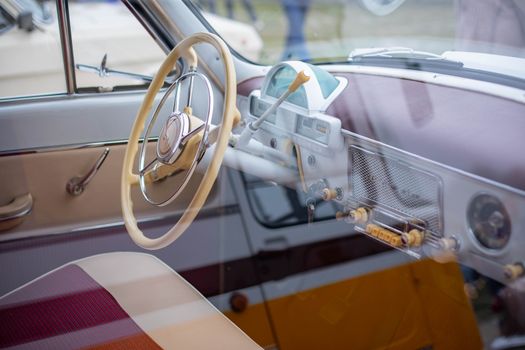
Photo by Valeria Boltneva / Pexels
After fitting thousands of driving glasses, opticians consistently see the same pattern: drivers who choose based on convenience rather than optical performance often struggle with critical visual tasks like judging distances in variable light conditions.
Shop the frames in this guide


Prescription Glasses with Anti-Reflective Coating: The Performance Leader
Standard prescription lenses equipped with premium anti-reflective (AR) coating deliver the most consistent visual performance for driving. Here's why they consistently outperform alternatives:
Light Transmission Advantages
Quality AR coatings transmit 99.5% of available light compared to 85-90% for untreated lenses. This translates to measurably better performance in:
- Dawn and dusk driving - Critical 30-45 minutes when accident rates spike
- Overcast conditions - When every photon counts for depth perception
- Tunnel transitions - Rapid light changes that challenge adaptive systems
Glare Elimination Properties
Premium AR coatings virtually eliminate reflections from headlights, streetlights, and dashboard displays. The coating works by creating destructive interference - incoming light waves cancel each other out rather than bouncing back into your eyes.
This isn't just comfort - it's safety. Glare can reduce contrast sensitivity , making it harder to distinguish pedestrians, road signs, and lane markings against similar-colored backgrounds.
Photochromic Lenses: Convenience vs Compromise
Photochromic lenses darken automatically in sunlight, offering the appeal of prescription glasses and sunglasses in one package. However, their driving performance reveals significant limitations:
Temperature-Dependent Activation
Photochromic molecules activate based on UV exposure and temperature. In cold weather - common across Finland from Helsinki to Tampere - the lenses darken more slowly and may not reach full tint even in bright conditions. Conversely, in summer heat, they may stay darker longer when you enter tunnels or covered areas.
Vehicle Windscreen Interference
Modern car windscreens block 95-99% of UV radiation - the very light that triggers photochromic activation. This means your lenses remain largely clear even in bright driving conditions, defeating their primary purpose.
| Condition | Prescription + AR Coating | Photochromic Lenses |
|---|---|---|
| Bright sunny driving | Excellent clarity, may need separate sunglasses | Minimal darkening behind windscreen |
| Dawn/dusk transitions | Consistent 99.5% light transmission | Slow adaptation, potential lag |
| Night driving | Maximum light transmission, zero glare | Possible residual tint, reduced brightness |
| Overcast conditions | Optimal contrast and clarity | Unpredictable activation level |
The Specialized Driving Lens Hierarchy
Professional driving instructors and commercial drivers who spend 8+ hours daily on the road typically follow this lens priority system:
Tier 1: High-Index with Multi-Layer AR
Lenses with refractive indices of 1.67 or 1.74 combined with multi-layer anti-reflective coatings offer superior optics. The higher index material reduces lens thickness, minimizing edge distortions that can affect peripheral vision - crucial for checking blind spots and detecting motion.
Tier 2: Standard Index with Premium AR
For prescriptions under ±3.00 diopters, standard 1.56 index lenses with quality AR coating provide excellent value. The slightly thicker profile doesn't significantly impact visual performance while maintaining cost efficiency.
Tier 3: Photochromic as Secondary Option
Photochromic lenses work best as a backup pair or for drivers who frequently transition between vehicle and outdoor activities. They shouldn't be the primary driving eyewear for safety-critical situations.
Frame Considerations That Impact Driving Safety
Lens performance means nothing if your frame design compromises your field of vision or stability during driving.
Wrap-Around vs Traditional Frames
Peripheral coverage matters. Frames with minimal side gaps reduce wind disturbance and peripheral light scatter. However, excessive wrap can introduce distortion with prescription lenses over ±2.00 diopters.
Bridge Fit and Stability
A properly fitted bridge prevents glasses from sliding during sudden stops or turns. Look for adjustable nose pads that distribute weight evenly - particularly important for progressive lens wearers who need consistent head positioning for optimal vision zones.
The Blue Light Blocking Controversy for Drivers
Marketing claims about blue light blocking for driving often mislead consumers. Here's the reality:
Daytime blue light is essential for contrast sensitivity and depth perception. Filtering it out can actually reduce your ability to distinguish objects against blue skies or detect subtle color differences in traffic signals.
Blue light blocking makes sense for evening computer work, but during daytime driving, you want maximum light transmission across the entire visible spectrum.
Progressive Lenses: Special Driving Considerations
Drivers over 45 often need progressive lenses for presbyopia, but standard progressive designs can create challenges:
- Dashboard focus zone - Ensure the intermediate zone aligns with your natural dashboard viewing angle
- Mirror check efficiency - Side distortion zones can make quick mirror glances less effective
- Adaptation period - Allow 2-3 weeks of non-critical driving before relying on new progressives for long trips
Weather-Specific Lens Strategies
Finnish weather demands adaptable vision solutions:
Winter Driving Optics
Snow reflection can increase ambient light, creating conditions where both maximum clarity and glare protection are needed. The most effective approach: prescription glasses with premium AR coating for primary use, plus clip-on or magnetic sunglasses attachments for bright snow conditions.
Rain and Low Visibility
Water droplets on lenses scatter light and reduce contrast. Hydrophobic coatings - often included with premium AR treatments - cause water to bead and roll off rather than forming vision-blocking films.
Professional Driver Insights
Commercial drivers and driving instructors consistently report these preferences:
"Single-purpose lenses outperform multi-purpose every time" - This feedback is common among professional drivers. The complexity of photochromic chemistry introduces variables that pure prescription lenses avoid.
Backup eyewear is non-negotiable - Keep a second pair with identical prescription in your vehicle. Lens coatings can scratch, frames can break, and driving with compromised vision isn't worth the risk.
Quality Eyewear for Finnish Drivers
Whether you choose prescription lenses with AR coating or decide photochromic suits your lifestyle, quality frames and professional lens manufacturing make the crucial difference.
Lensdy offers over 200 frame styles designed for European driving conditions, with prescription lenses starting from €29. Based in London (128 City Road, EC1V 2NX), we ship throughout Europe with free standard delivery to Finland within 1–2 weeks.
For driving-optimized eyewear, consider frames like the Jasper for classic styling with excellent peripheral coverage, or the Tuscany for lightweight comfort during long drives. If you prefer the convenience of switchable sun protection, explore our sunglasses collection or dedicated driving frames like the Obsidian.
Every lens includes professional-grade anti-reflective coating options, and our high-index materials (1.61, 1.67, 1.74) ensure optimal clarity regardless of your prescription strength.
Ready to upgrade your driving vision? Browse our complete selection at lensdy.com and experience the difference quality optics make on the road.