

5 Costly Varifocal Glasses Online Mistakes Most People Make
Quick answer
The most costly varifocal glasses online mistakes involve pupillary distance errors, inappropriate frame sizes, wrong lens index choices, coating mismatches, and rushing the adaptation process. A 2mm error in pupillary distance measurements can render €300 varifocal glasses completely unusable, causing eye strain and distorted vision in the progressive zones.
Frame height critically affects performance—frames under 28mm don't provide adequate space for the three vision zones, while frames over 40mm can create peripheral distortion. High prescriptions paired with standard 1.56 index lenses create thick, heavy glasses that cause nose bridge pressure and aesthetic issues. Prescription guidelines recommend 1.61 index for ±2.00 to ±4.00 diopters, 1.67 index for ±4.00 to ±6.00 diopters, and 1.74 index above ±6.00 diopters. Higher index lenses cost €40-80 more but reduce thickness by 20-40%. Professional pupillary distance measurements using pupillometers achieve 0.5mm accuracy, while smartphone apps and rulers typically achieve below 60% accuracy rates.
The Hidden Pitfalls of Buying Varifocal Glasses Online
Varifocal glasses online purchases have tripled since 2024, but so have costly mistakes that leave customers with unusable eyewear. After analyzing thousands of customer complaints and returns, five critical errors emerge that cost buyers an average of €180 in replacement glasses.
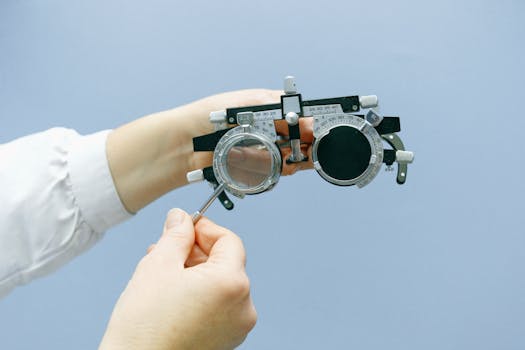
Photo by Anna Shvets / Pexels
These mistakes aren't just about money—they're about weeks of headaches, blurred vision, and the frustration of starting over. Understanding these pitfalls before you order can save you significant time and expense.
Shop the frames in this guide


Mistake #1: Ignoring Your Pupillary Distance Accuracy
The most expensive mistake involves pupillary distance (PD) measurements. A 2mm error in PD can render €300 varifocal glasses completely unusable, causing eye strain and distorted vision in the progressive zones.
Why this happens: Many customers rely on smartphone apps or rulers, achieving accuracy rates below 60%. Professional measurements using pupillometers are accurate to 0.5mm.
How to Get Accurate PD Measurements
- Ask your optometrist for both distance and near PD measurements—varifocals need both
- Use the mirror method: Stand 8 inches from a mirror, close right eye, align ruler with left pupil center, note the measurement at right pupil center
- Have someone measure you: Look at a distant object while they measure from pupil center to pupil center
- Take three measurements and use the most consistent result
Pro tip: If your measurements vary by more than 2mm between attempts, visit an optician. Asymmetrical faces need professional monocular PD measurements.
Mistake #2: Choosing Inappropriate Frame Sizes for Progressive Lenses
Frame dimensions directly impact varifocal lens performance. Frames under 28mm in height don't provide adequate space for the three vision zones, while frames over 40mm can create distortion in peripheral areas.
| Frame Height | Varifocal Suitability | Common Issues |
|---|---|---|
| Under 28mm | Poor | Cramped reading zone, difficult adaptation |
| 28-35mm | Good | Standard progressive corridor |
| 35-40mm | Excellent | Comfortable all zones |
| Over 40mm | Challenging | Peripheral distortion, swim effect |
Frame Selection Strategy
Choose frames with straight or minimal wraparound—curved frames introduce optical distortions that compound progressive lens adaptation challenges. Rectangular acetate frames typically provide the most stable platform for varifocal lenses.
Nose bridge fit affects lens positioning. Frames that slide down your nose shift the progressive zones, making distance vision blurry and reading zones inaccessible. Adjustable nose pads offer better positioning control than fixed plastic bridges.
Mistake #3: Underestimating Lens Index Requirements
High prescription strength combined with standard 1.56 index lenses creates thick, heavy glasses that distort facial appearance and cause nose bridge pressure. Many customers order standard lenses to save money, then immediately regret the aesthetic and comfort impact.
Prescription strength guidelines:
- -2.00 to +2.00: 1.56 index acceptable
- -4.00 to +4.00: 1.61 index recommended
- -6.00 to +6.00: 1.67 index strongly advised
- Above ±6.00: 1.74 index essential
Higher index lenses cost €40-80 more but reduce thickness by 20-40%. For varifocals, this thickness reduction also minimizes edge distortion that can interfere with peripheral vision adaptation.
Mistake #4: Mixing Lens Coatings Incorrectly
Varifocal lenses benefit from specific coating combinations, but many customers either skip essential coatings or add unnecessary ones that create problems.
Essential Coating Combinations
Anti-reflective coating is non-negotiable for varifocals. Progressive lenses have more optical surfaces than single vision lenses, increasing reflection and glare. Quality AR coating improves light transmission by 8-12%.
Blue light filtering works well with varifocals for computer work, but avoid heavy filtering (over 30%) as it can interfere with color perception in the intermediate zone used for screens.
Photochromic lenses in varifocals require careful consideration. The darkening/clearing transition affects all three vision zones simultaneously, which some users find disorienting during adaptation.
Avoid combining photochromic with heavy blue light filtering—the double tinting can make indoor environments too dark and reduce contrast in the reading zone.
Mistake #5: Unrealistic Adaptation Timeline Expectations
The biggest surprise for first-time varifocal wearers is the adaptation period. Unlike single vision glasses that feel normal within hours, progressive lenses require 2-4 weeks of consistent wear for full adaptation.
Realistic Adaptation Timeline
- Days 1-3: Significant distortion in peripheral vision, difficulty with stairs
- Week 1: Distance vision comfortable, reading zone located but requires head positioning
- Week 2: Intermediate zone becomes usable, peripheral distortion reduces
- Weeks 3-4: Natural head movements develop, full comfort achieved
Critical adaptation rules:
- Wear varifocals for at least 6 hours daily—part-time wear delays adaptation
- Don't switch between old single vision glasses and new varifocals during adaptation
- Practice reading and computer work daily to develop muscle memory
- Expect initial discomfort with stairs and curbs—this resolves by week 2
When to be concerned: If severe distortion persists beyond 4 weeks, or if you experience persistent headaches after week 2, the lens prescription or fitting may be incorrect.
Choosing Quality Varifocal Glasses Online
Avoiding these five mistakes requires selecting an online retailer that provides proper measurement guidance, appropriate frame recommendations, and realistic timeline expectations.
Look for retailers offering detailed PD measurement instructions, frame dimension specifications clearly listed, and lens index calculators based on your prescription strength. Quality online opticians also provide adaptation support and remake guarantees for fitting issues.
Well-designed acetate frames with adequate height measurements give varifocal lenses the best foundation for success. Avoid trendy micro-frames or extreme wraparound styles that compromise optical performance.
Professional Fitting vs. Online Convenience
While online ordering offers convenience and cost savings, complex prescriptions (above ±4.00 with astigmatism over 2.00) benefit from professional fitting measurements. Simple prescriptions with good frame selection skills can achieve excellent results online.
The key is honest assessment of your comfort level with measurements and frame selection. If you're confident with these aspects, online varifocal purchases can save 40-60% compared to high-street opticians while delivering equivalent optical quality.
Finding Reliable Online Varifocal Providers
Established online eyewear retailers with comprehensive frame collections and professional-grade lens options provide the best foundation for successful varifocal purchases. Look for providers offering multiple lens index options, quality coating selections, and detailed fitting guidance.
Lensdy, based in London at 128 City Road, EC1V 2NX, specializes in precision eyewear with over 200 frame styles and prescription lenses starting from €29. Their prescription glasses collection includes frames specifically suited for varifocal applications, with detailed dimension specifications and fitting guidance.
With free shipping on orders over €59 and comprehensive lens options including all index levels and coating combinations, Lensdy provides the technical precision needed for successful varifocal fitting while maintaining the cost advantages of online purchasing.
Professional-grade lens manufacturing combined with detailed customer support helps avoid the common pitfalls that plague online varifocal purchases. Quality acetate frames and metal options provide suitable platforms for progressive lens applications.
Frequently Asked Questions
How long should I wait before deciding my varifocal glasses don't work?
Give yourself a full 4 weeks of daily wear before concluding the glasses aren't suitable. Most adaptation issues resolve by week 3, but some people need the full month. If you're still experiencing severe distortion or headaches after 4 weeks, contact your provider about potential fitting issues.
Can I get varifocal glasses online if I've never worn them before?
Yes, but ensure you have accurate measurements and realistic expectations about the adaptation period. First-time varifocal wearers often succeed with online purchases when they choose appropriate frame sizes and follow proper measurement techniques. Start with a simple lens design rather than complex specialized progressives.
What's the difference between cheap and expensive progressive lenses online?
Expensive progressive lenses typically offer wider viewing zones, less peripheral distortion, and faster adaptation times. However, for prescriptions under ±3.00, standard progressive designs often provide perfectly acceptable vision correction at significantly lower cost. The frame quality and fit accuracy matter more than lens premium features for most users.
Should I order backup glasses while adapting to varifocals?
Keep your old single vision glasses as emergency backup, but don't alternate between them and your new varifocals during adaptation. Switching back and forth delays the adjustment process and can extend adaptation time beyond 4 weeks. Only use backup glasses for essential tasks if varifocal adaptation becomes temporarily problematic.
Ready to find your perfect varifocal glasses? Browse Lensdy's extensive collection of precision eyewear and discover quality frames designed for optimal progressive lens performance at lensdy.com.