

Why Your Driving Glasses Cause More Glare Than They Block
Your driving glasses might be creating the very glare problems they're supposed to solve. Wrong lens coatings, inappropriate tinting, and poor frame selection turn what should be protective eyewear into a safety hazard behind the wheel.
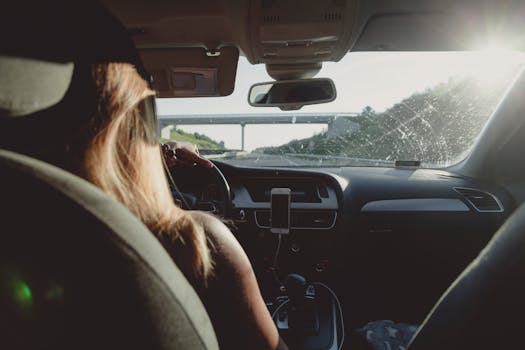
Photo by Peter Fazekas / Pexels
The Hidden Culprits Behind Driving Glare
Most drivers blame sun position or dirty windshields for glare issues, but your glasses are often the real problem. Cheap anti-reflective coatings reflect 8-12% of light back into your eyes, compared to quality AR coatings that reflect less than 0.5%.
Here's what creates glare in driving glasses:
- Poor AR coating quality - Creates rainbow reflections and internal bouncing
- Wrong lens material - High-index plastics without proper coatings amplify reflections
- Oversized frames - More lens surface area means more potential reflection points
- Incorrect photochromic activation - Lenses that don't adapt properly to changing light conditions
Why Standard Sunglasses Fail for Driving
Regular sunglasses aren't designed for the specific lighting challenges drivers face. Category 3 sunglasses (8-18% light transmission) are too dark for tunnel entries and exits, creating dangerous visibility gaps during rapid light changes.
The dashboard reflection problem is particularly severe. Light bounces off your instrument panel, hits the back surface of your lenses, then reflects into your eyes. This creates a double-image effect that's especially problematic during night driving in cities like Gothenburg, where streetlight patterns create complex reflection patterns.
The Photochromic Trap
Photochromic lenses sound perfect for driving, but they have a critical flaw: most car windshields block 99% of UV rays, preventing photochromic activation. Your 'adaptive' lenses stay clear when you need them to darken, then over-activate when you step outside.
Modern photochromic technology addresses this with visible light activation, but you need specifically designed driving photochromics that respond to both UV and visible light spectrums.
Frame Design Impact on Driving Safety
Frame choice affects your driving vision more than most people realize. Wide temples create blind spots, while insufficient lens coverage allows peripheral glare that reduces contrast sensitivity by up to 30%.
| Frame Feature | Driving Impact | Recommended Spec |
|---|---|---|
| Temple Width | Peripheral vision blocking | Maximum 3mm at temple hinge |
| Lens Height | Upper/lower glare protection | Minimum 32mm vertical coverage |
| Bridge Design | Upper field obstruction | Low-profile, under 18mm |
| Wrap Angle | Side light management | 6-8 degree base curve |
Rimless and semi-rimless designs offer superior peripheral vision but require higher-quality lens materials to prevent edge reflections. The ShadowJet frame demonstrates this balance with minimal rim interference and optimized lens positioning.
Lens Technology That Actually Works
Effective driving glasses require specific lens technologies working together. Single-element solutions rarely address all driving vision challenges.
Multi-Layer AR Coatings
Premium AR coatings use 7-9 interference layers to eliminate reflections across the visible spectrum. Look for coatings with hydrophobic top layers that shed rain and reduce cleaning frequency - crucial for maintaining clear vision during weather changes.
The coating must be applied to both lens surfaces. Back-surface AR coating is actually more important for driving, as it prevents dashboard and instrument reflections from bouncing into your eyes.
Polarization vs. Tinting
Polarized lenses reduce glare from horizontal surfaces (roads, water, car hoods) by filtering light waves, but they can interfere with LCD displays in modern vehicles. Non-polarized tints with specific color filtering often work better for driving.
- Brown/amber tints - Enhanced contrast and depth perception
- Gray tints - Natural color reproduction, reduced overall brightness
- Yellow/orange tints - Improved visibility in low light and fog
The Amber collection uses selective wavelength filtering that maintains color accuracy while reducing harmful blue light and enhancing road contrast.
Progressive Lenses and Driving Challenges
Progressive lenses create unique driving challenges that many opticians don't properly address. The intermediate zone placement affects dashboard and mirror visibility, while peripheral distortion can impact lane-change safety.
For driving-optimized progressives, request:
- Wider intermediate corridor (minimum 14mm)
- Distance zone positioned for straight-ahead road viewing
- Reduced peripheral soft focus areas
- Lower mounting position to maximize distance viewing area
Night Driving Lens Considerations
Anti-reflective coating becomes critical at night, when oncoming headlights create star-burst patterns and reduced contrast. Poor AR coatings actually worsen night vision by creating internal reflections that scatter light across your retina.
Blue light filtering helps with LED headlight glare, but avoid yellow-tinted 'night driving' glasses that reduce overall light transmission. Your eyes need maximum light gathering capability in low-light conditions.
Climate-Specific Considerations for Swedish Drivers
Scandinavian driving conditions create unique eyewear challenges. Low sun angles during winter months mean standard sun visors provide inadequate protection, making proper driving glasses essential even during typically 'cloudy' months.
The rapid transition from underground parking to bright snow glare in cities like Malmö requires lenses that adapt quickly to extreme light changes. Standard photochromics take 30-60 seconds to adjust - too slow for safe driving transitions.
Fog and Moisture Management
Swedish humidity and temperature changes cause constant lens fogging. Hydrophobic coatings combined with proper frame ventilation prevent fog buildup that can obscure vision during critical driving moments.
Frame materials matter too - metal frames conduct temperature changes faster, increasing condensation. Acetate and flexible materials maintain more stable temperatures and reduce fogging incidents.
Prescription Accuracy for Driving Safety
Even minor prescription errors significantly impact driving safety. A 0.25 diopter error reduces contrast sensitivity by 15%, affecting your ability to distinguish road hazards in varying light conditions.
Pupillary distance (PD) accuracy becomes crucial for driving glasses. A 2mm PD error creates prismatic effects that cause eye strain and depth perception problems during extended driving periods.
Finding Quality Driving Glasses
Quality driving glasses combine proper lens technology with appropriate frame design, but you don't need to pay premium retail prices for effective solutions.
Lensdy offers over 200 frame styles designed for various driving needs, with prescription lenses starting from £29. Based in London (128 City Road, EC1V 2NX), we provide free standard shipping across Europe, with delivery to Sweden within 5-10 business days.
Our lens options include:
- Premium multi-layer AR coatings
- Photochromic lenses optimized for automotive use
- Blue light filtering with maintained light transmission
- Various lens indices (1.56, 1.61, 1.67, 1.74) for optimal thickness and clarity
The Falcon and Crimson Flair frames exemplify driving-optimized design with minimal peripheral obstruction and secure, comfortable fits for extended wear.
For prescription sunglasses specifically designed for driving, browse our Sunglasses collection featuring frames engineered for automotive use with proper lens coverage and glare management.
Frames mentioned in this article


Frequently Asked Questions
Can I use regular prescription glasses for driving?
Regular prescription glasses work for driving if they have proper AR coatings and your prescription is current. However, adding photochromic lenses or specific tinting can significantly improve comfort and safety, especially for frequent drivers.
Are polarized lenses better for driving?
Polarized lenses reduce road glare but can make it difficult to see LCD displays in modern cars. Non-polarized tinted lenses with quality AR coatings often provide better overall driving vision without display interference.
How often should I replace my driving glasses?
Replace driving glasses every 2-3 years or when AR coatings show wear (visible scratches or reduced clarity). Prescription changes also require immediate replacement, as even small errors significantly impact driving safety.
Do I need different glasses for day and night driving?
Photochromic lenses with automotive activation can handle both conditions. For separate pairs, use tinted lenses for day driving and clear lenses with premium AR coating for night driving. Avoid yellow-tinted 'night driving' glasses that reduce light transmission.
Ready to improve your driving vision? Visit lensdy.com to explore our full range of driving-optimized prescription glasses and sunglasses, with professional lens options and European shipping.