

Why £29 Prescription Glasses Aren't Actually Cheap
The £29 Prescription Glasses Myth Everyone Believes
Walk into any high street optician and you'll see signs screaming "Prescription glasses from £29!" or "Complete pairs from £39!" But here's what opticians don't want you to know: those advertised prices are marketing tricks that rarely reflect what you'll actually pay.
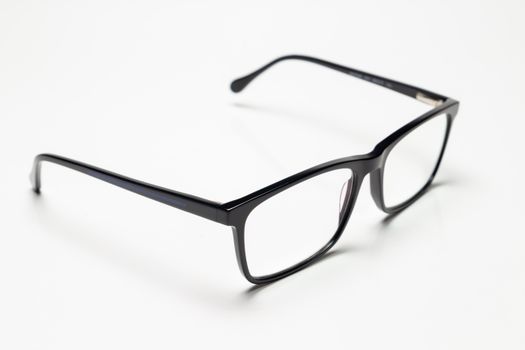
Photo by Márcio Carvalho / Pexels
After working with thousands of prescription glasses orders, I've discovered that most "cheap" glasses end up costing 3-5 times the advertised price once you add essential lens upgrades, coatings, and frames that don't look like they belong in a 1980s catalogue.
The real question isn't whether cheap prescription glasses exist—it's understanding what makes glasses genuinely affordable versus deceptively expensive.
The Hidden Markup Game: How £29 Becomes £200
Here's how the traditional optical industry inflates costs:
The Basic Lens Trap
That £29 price? It covers the absolute cheapest plastic lens with a refractive index of 1.5—thick, heavy lenses that make your eyes look distorted behind the glass. For prescriptions stronger than ±2.00, these lenses become unwearable.
Upgrade costs you'll face:
- Thinner lenses (1.61 index): +£80-120
- Ultra-thin lenses (1.67 index): +£150-200
- Anti-reflective coating: +£40-80
- Blue light blocking: +£30-60
- Scratch resistance: +£25-45
The Frame Selection Illusion
Those "free" frames included in budget deals are usually outdated styles, flimsy acetate that snaps easily, or metal frames that turn your skin green. Decent frames require another £50-150 upgrade.
Progressive Lens Premium Pricing
Need varifocal lenses? Add another £200-400 to that £29 base price. The markup on progressive lenses reaches 600-800% above manufacturing costs.
What Actually Makes Prescription Glasses Expensive
Understanding real costs helps you spot genuine value versus marketing manipulation:
Lens Manufacturing Complexity
Quality prescription lenses require precise digital surfacing equipment that costs millions. Each lens is custom-cut to your exact prescription parameters, pupillary distance, and frame geometry. This isn't mass production—it's custom manufacturing.
Real manufacturing costs breakdown:
| Component | Actual Cost | Retail Markup |
|---|---|---|
| Basic single vision lens | £8-12 | 300-500% |
| Anti-reflective coating | £3-5 | 800-1200% |
| Progressive lens blank | £25-35 | 400-600% |
| Acetate frame | £12-18 | 200-400% |
The Retailer Overhead Reality
High street opticians carry massive overheads: prime location rent, qualified optometrists on staff, insurance, and equipment maintenance. Online retailers eliminate most of these costs, passing savings to customers.
Memory Metal vs Traditional Frames: The Durability Factor
Here's where cheap glasses really show their limitations. Traditional acetate and basic metal frames break at stress points—usually the hinges or nose bridge. Within 6-12 months, you're buying replacements.
Memory metal frames (titanium alloy with nickel) bend without breaking and return to original shape. They cost more upfront but last 3-5 years easily. The per-year cost actually makes them cheaper than constantly replacing budget frames.
Durability comparison:
- Basic plastic frames: 6-12 months average lifespan
- Standard metal frames: 12-18 months with careful use
- Memory metal frames: 3-5 years typical lifespan
- Quality acetate: 2-3 years with proper care
Lens Index Numbers: The Thickness Truth
Most people don't understand lens index numbers, so retailers exploit this ignorance. Here's the reality:
Index 1.50 (Standard Plastic)
Suitable only for prescriptions between -1.00 to +1.00. Beyond this range, lenses become thick and heavy. The "cheap" option that makes strong prescriptions look like bottle bottoms.
Index 1.56 (Mid-Index)
Works well for prescriptions up to ±3.00. About 20% thinner than 1.50 lenses. This should be the minimum for most prescriptions, not an expensive upgrade.
Index 1.61 (High-Index)
Ideal for prescriptions ±3.00 to ±6.00. Roughly 35% thinner than standard plastic. Essential for stronger prescriptions to avoid the "coke bottle" effect.
Index 1.67 and 1.74 (Ultra High-Index)
Reserved for prescriptions above ±6.00 or when minimal thickness is crucial. The 1.74 index is about 50% thinner than standard plastic but costs significantly more.
Blue Light Blocking: Science vs Marketing Hype
Every optical retailer now pushes blue light blocking lenses as essential for computer users. The reality is more nuanced.
What research actually shows:
- Blue light from screens is roughly 100 times weaker than sunlight
- No conclusive evidence that screen blue light causes permanent eye damage
- Digital eye strain comes primarily from reduced blinking and focusing effort
- Blue light blocking may help some people sleep better if they use screens before bed
Blue light coating costs £5-8 to add during manufacturing but retailers charge £30-80. It's a high-margin add-on that benefits your optician more than your eyes.
Progressive Lenses: Where Premium Actually Matters
This is one area where cheap really means inferior. Progressive lenses have three distinct vision zones blended together, and the quality of this blending separates good from terrible.
Budget Progressive Problems
- Narrow reading zones that require precise head positioning
- Distortion areas that cause dizziness and adaptation problems
- Poor intermediate vision for computer work
- Generic corridor lengths that don't match your frame size
Quality Progressive Features
- Wide, comfortable reading areas
- Smooth transitions with minimal distortion
- Customized corridor design based on frame measurements
- Better intermediate zones for digital device use
With progressive lenses, paying for quality lens design genuinely improves your daily experience.
Anti-Reflective Coatings: Essential vs Optional
AR coating reduces glare and reflections, making lenses nearly invisible. But not all AR coatings are equal:
Basic AR coating (£3-5 cost): Reduces about 50% of reflections but wears off within 1-2 years. Scratches easily and attracts smudges.
Premium AR coating (£8-12 cost): Eliminates 99%+ of reflections, includes scratch resistance and easy-clean properties. Lasts the life of the lens.
The problem? Most retailers charge premium prices for basic coating quality.
Online vs High Street: The Real Cost Comparison
Let's compare identical specifications:
| Specification | High Street Cost | Quality Online Cost |
|---|---|---|
| Designer-style acetate frame | £80-150 | £35-65 |
| 1.61 index lenses with AR coating | £120-180 | £45-75 |
| Blue light blocking upgrade | £40-80 | £15-25 |
| Progressive lens upgrade | £200-350 | £85-140 |
| Total typical cost | £440-760 | £180-305 |
The online advantage comes from eliminating retail markup layers, not compromising on lens quality.
Spotting Genuinely Affordable Quality
Here's how to identify truly good value in prescription glasses:
Transparent Pricing Structure
Reputable retailers clearly list all costs upfront. Avoid places that advertise low base prices then hit you with surprise upgrades during checkout.
Appropriate Lens Recommendations
Good opticians recommend lens index based on your prescription strength, not upsell unnecessarily. For prescriptions under ±2.00, 1.56 index is perfectly adequate.
Quality Frame Materials at Fair Prices
Look for acetate frames with reinforced hinges, or memory metal options. The Fusion frames demonstrate how quality materials don't require premium pricing.
Honest Coating Information
Retailers should explain what coatings you actually need versus nice-to-have options. Anti-reflective coating is essential; blue light blocking is optional for most people.
Smart Shopping Strategies for Prescription Glasses
Know Your Prescription Requirements
Understanding your prescription helps avoid unnecessary upgrades:
- SPH (Sphere) ±0.00 to ±2.00: Standard or 1.56 index lenses work fine
- SPH ±2.25 to ±4.00: 1.61 index recommended for aesthetics
- SPH ±4.25 to ±6.00: 1.67 index prevents thick edges
- SPH above ±6.00: 1.74 index necessary for wearable thickness
Frame Selection Based on Lifestyle
Match frame durability to your usage:
- Desk job, careful handling: Quality acetate sufficient
- Active lifestyle, sports: Memory metal or flexible frames essential
- Frequent traveler: Lightweight titanium or DunkVision sports frames
Coating Priorities
Essential coatings first, optional ones last:
- Anti-reflective: Always worth the investment
- Scratch resistance: Important for daily wear
- Blue light blocking: Consider if you have sleep issues
- Photochromic: Convenient but not essential
When Premium Actually Pays Off
Some upgrades genuinely improve your experience and justify higher costs:
Complex Prescriptions
High prescriptions (above ±4.00) or significant astigmatism benefit from premium lens designs and thinner materials. The visual and aesthetic improvements are substantial.
Occupational Requirements
Professions requiring precise vision—surgeons, jewelers, engineers—benefit from the best available lens technology. The PrecisionPeak frames cater specifically to precision work.
Progressive Lens Wearers
The difference between basic and premium progressive designs dramatically affects adaptation and comfort. This isn't an area to compromise on price alone.
Finding True Value in Prescription Eyewear
After analyzing thousands of prescription glasses orders, the sweet spot for quality and affordability lies with online retailers who offer transparent pricing and quality materials without high street markups.
Lensdy exemplifies this approach with over 200 frame styles and prescription lenses starting from £29—genuinely £29, not a marketing trick. Based in London at 128 City Road, EC1V 2NX, they've eliminated the traditional optical retail markup while maintaining lens quality standards.
Their glasses from £29 collection demonstrates that affordable doesn't mean compromising on essential features. Each pair includes anti-reflective coating and proper lens materials matched to prescription requirements.
For specialized needs, options like the Crystal frames provide premium aesthetics without premium pricing structures. Free standard shipping across Europe means no hidden delivery costs—another way traditional opticians inflate final prices.
The Bottom Line on Affordable Prescription Glasses
Truly affordable prescription glasses exist, but they're not found in high street stores advertising misleading base prices. Quality online retailers provide the same lens technology and frame materials at fair prices by eliminating retail markup layers.
The key is understanding what you actually need versus what retailers want to sell you. For most prescriptions, mid-index lenses with anti-reflective coating provide excellent vision at reasonable cost. Premium upgrades make sense for complex prescriptions or specific professional requirements.
Remember: cheap glasses that break in six months aren't affordable—they're expensive mistakes. Quality frames and properly specified lenses that last years represent true value.
Frames mentioned in this article


Frequently Asked Questions
Are online prescription glasses really the same quality as high street opticians?
Yes, reputable online retailers use the same lens manufacturers and digital surfacing equipment as high street chains. The difference is pricing structure, not lens quality. However, ensure the online retailer provides proper prescription verification and measurements.
How much should I really expect to pay for quality prescription glasses?
For single vision lenses with standard prescriptions (±0.00 to ±3.00), expect £60-120 for quality frames and appropriate lenses including coatings. Progressive lenses add £60-120 to this range. Anything significantly higher likely includes unnecessary markups.
Do I need blue light blocking lenses if I work at a computer all day?
Blue light blocking isn't essential for eye health, but some people find it reduces eye strain and improves sleep when using screens before bedtime. The 20-20-20 rule (look at something 20 feet away for 20 seconds every 20 minutes) is more effective for preventing digital eye strain.
What's the real difference between £29 glasses and £200 glasses?
The main differences are frame durability, lens material quality, and coating longevity. £29 glasses typically use basic materials that work fine for light use but may not withstand daily wear. £200 glasses often include premium coatings and stronger frame materials but may also include significant retail markup.
Ready to find genuinely affordable prescription glasses without hidden costs? Browse the full selection at lensdy.com and discover transparent pricing on quality eyewear that actually costs what it's advertised to cost.