

Can You Wear Glasses Under Ski Goggles? 5 Fit Checks
Yes, you can, and plenty of skiers do. The problem is almost never the idea. It is the fit, and you notice it about forty minutes into the first run.
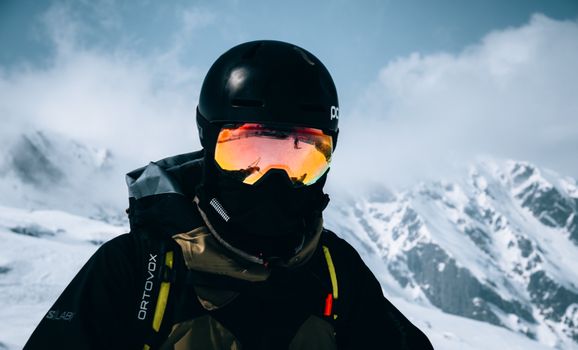
Photo by Luca Photo / Pexels
You can wear glasses under ski goggles if the frame is narrow enough to sit inside the goggle, the temple arms are thin and flat, and the goggle has enough interior depth that nothing presses on your nose or temples. Choose a lightweight frame, add an anti-reflective coating, and test the combination with your helmet on before you buy.
Below are the five checks we would run on any pair of glasses before taking them up a mountain, plus the fogging problem that catches most people out.
Is it safe to ski with glasses under your goggles?
Yes, it is safe as long as the goggle closes against your face without forcing the frame into your skin. Glasses under goggles are a normal sight on any chairlift. The real risks are pressure, fogging and a frame that shifts when you fall, tuck or turn your head quickly. Pressure shows up first: goggle foam pushes the temple arms against your head just above the ears, and the nose cutout lands on your glasses bridge. Over a full day that can mean a headache and a sore nose. Fogging comes second, because your glasses add a second surface for breath and sweat to condense on. The third risk is a crash: a rigid, thick frame trapped under a goggle strap is not what you want against your face. If you have a strong prescription or any doubt, ask your optician which lens material suits sport use.
Five checks cover nearly all of it.
| Check | What to measure | Rule of thumb |
|---|---|---|
| 1. Frame size | Total frame width and lens height | Aim for roughly 130-140 mm wide, lens height under about 40 mm |
| 2. Temple arms | Thickness and shape | Under 3 mm, flat, no decorative ridges |
| 3. Lens surface | Coating and fog behaviour | Anti-reflective coating, thin lens index |
| 4. Weight and material | Grams on the nose | Light frame, flexible hinges |
| 5. Goggle and helmet | Interior room, strap position | Try all three together |
Shop the frames in this guide


Check 1: is your frame small enough to fit inside the goggle?
Your frame needs to fit inside the goggle's interior without touching the lens or being squeezed by the foam. As a rule, narrow, shallow frames work best. Look for a total frame width of roughly 130 to 140 mm and a lens height under about 40 mm. Oversized round frames and big square statement shapes are the usual culprits: they press the goggle lens forward, break the foam seal and let cold air in at the cheeks. Measure your current glasses with a ruler, from the outer edge of one lens rim to the other, then compare with the goggle's listed width or simply try them on in a shop. A frame that clears the foam by a few millimetres on each side is the target. Rectangular or soft oval shapes with a low bridge sit more comfortably than aviators, whose lens drops straight into the goggle's cheek area.
Here is the counterintuitive bit: a smaller frame also gives you a wider field of view through the goggle, because the goggle lens is not competing with your own lenses for space.
Check 2: are your temple arms thin and flat enough?
The temple arms are where most skiers feel the pain. Goggle foam runs along the side of your face, and a chunky arm gets pinched between foam and skull. Choose arms under about 3 mm thick with a flat, smooth profile. Thick acetate arms, wide decorative metal plates and tips with a pronounced bend are the worst offenders. Thin metal or titanium arms slide under the foam, spread the pressure and are less likely to leave a dent behind the ear. Flexible, memory-metal arms add a bonus: they give a little when the helmet and goggle strap squeeze the side of your head. Straight-ended arms (called skull temples in some shops) are fine for this because they rest flat. Curled ends that hook tightly behind the ear can get pushed forward by the strap, which pulls the whole frame down your nose.
- Run a fingertip along the arm: any ridge or edge you can feel, the foam will feel too.
- Check the hinge: a bulky barrel hinge sits right where the foam presses hardest.
- If the arms are a bit loose, ask your optician to adjust them before ski season, not on the mountain.
Check 3: will your glasses fog or glare under the goggle?
Fogging happens when warm, humid air from your breath and skin meets a cold lens surface. Glasses under goggles create two lens surfaces plus the goggle lens, so the air pocket between them traps humidity. The fix is partly the goggle (double-layer lenses and good vents) and partly your glasses. An anti-reflective coating cuts the internal reflections that bounce between your lens and the goggle lens, which matters most on bright snow. Pick a thinner lens index such as 1.61 or 1.67 if your prescription is above roughly -3.00 or +3.00 dioptres, because a thinner lens sits farther from the goggle and leaves more air gap. Keep the goggle off your forehead while you ride, as the steam from your head floods the interior, and never wipe the inside of the goggle lens with a glove. Photochromic lenses are not needed under a tinted goggle; clear lenses work better.
A small habit that helps: take your glasses off for the lift queue, put the goggles on, then slide the glasses in. Starting with dry, cool lenses means less condensation in the first ten minutes.
Check 4: is your frame light enough for a full day?
Aim for a frame under about 20 g, since the goggle strap, helmet and cold all add pressure to your nose. A frame that feels fine at a desk can feel heavy after four hours of skiing, especially with a tight goggle pushing it back into your face. Titanium and thin stainless steel give the lightest result. Flexible memory metal is our pick if you fall often or are still learning: it survives a squeeze that would snap a rigid frame. Rimless frames weigh almost nothing, but the lens edge and screws are exposed, so we would not choose them for a sport where a goggle can shift against the lens. Plastic (acetate) is warmer on the skin in cold weather but thicker through the arms, so only choose it if the arms are slim. Metal can feel icy for the first minute; it passes.
Lens weight counts too. A 1.67 or 1.74 index lens is thinner and lighter than 1.56 at the same strong prescription, which takes load off the nose pads.
Check 5: does the goggle have room, and does your helmet agree?
Even a perfect frame fails if the goggle is too shallow. Before you buy or ski, put on your glasses, then the goggles, then your helmet, and look at three things: does the foam sit flush on your cheeks and forehead with no gaps, is there space between your glasses and the goggle lens, and does the strap sit over the helmet without pulling the goggle down onto your nose? Tilt your head down and up. If the goggle presses the glasses against your brow or nose, the interior is too shallow for that frame. Goggles with a roomy interior, a generous nose cutout and foam that is softer around the temples tend to be the most forgiving. Check the product page for the interior width and depth, and compare with your frame measurements rather than relying on a label alone.
One tip people miss: helmet vent position. If the helmet's front vents blow straight onto the top of the goggle, they can push cold air into the gap and fog the lens. Close them for the first run and see.
What should you wear if you ski in prescription glasses?
For a ski trip, the sensible set-up is a slim, light prescription frame with an anti-reflective coating, plus a goggle with a roomy interior and a lens suited to the light. You do not need to buy a special frame, but it helps to choose one with thin arms and a narrow lens. At Lensdy we have 200+ frame styles in acetate, metal, titanium, rimless and flexible memory metal, with affordable prescription lenses in single vision or progressive, in indices 1.56, 1.61, 1.67 and 1.74. Slim-profile frames such as Tide are a sensible place to start looking for narrow shapes. On the goggle side, the Alpine series comes in Black, Blue and Pink, each with a night vision lens included for flat, low-contrast light. Compare your frame measurements with the listed goggle dimensions before ordering, as above.
Planning for sun as well? Our Sunglasses collection covers off-piste afternoons, the walk to the lift and the drive home.
Frequently Asked Questions
Can you wear regular glasses under any ski goggles?
Not under every goggle. Small, shallow goggles squeeze the frame against your face. Look for goggles with a roomy interior and a deep nose cutout, then test with your own glasses and helmet. Slim frames with thin arms give you the best chance of a comfortable fit.
Why do my glasses fog up under ski goggles?
Warm breath and sweat condense on cold lens surfaces, and glasses add an extra surface for that to happen. Keep the goggles off your forehead, make sure the vents are clear, add an anti-reflective coating, and put your glasses on dry before you start skiing.
Do I need special lenses to ski in glasses?
You do not need special lenses, but a thinner index (1.61 or 1.67 for medium to strong prescriptions) and an anti-reflective coating help. Clear lenses are better than tinted or photochromic ones under a tinted goggle. For lens material and impact resistance, ask your optician.
How long does it take to get new prescription glasses before a trip?
Most Lensdy orders arrive within 1-2 weeks. We would order at least a month before your trip, so you can test the fit with your goggles and helmet at home and have time to adjust anything.
Ready to test your fit?
Measure your frame, grab your goggles and helmet, and try them together in front of a mirror. If the glasses fail any of the five checks, browse the frames at lensdy.com and look for narrow shapes with thin arms. free shipping on orders over €59 applies on orders over €59.