

Budget vs Designer Frames: The Visual Quality Difference
The telltale signs of budget frames aren't always obvious at first glance, but trained eyes can spot the differences within seconds.
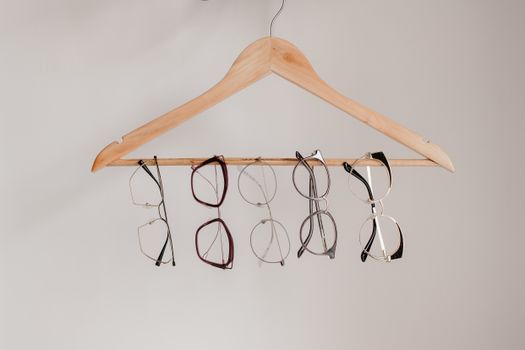
Photo by Maria Ovchinnikova / Pexels
Budget frames typically show their price point through finish quality, material thickness, and hardware details rather than overall design. The primary visual differences lie in surface treatment consistency, joint precision, and lens fitment—elements that become apparent under close inspection or extended wear. While a €35 acetate frame can match a €300 designer frame's silhouette, the polishing, edge work, and component alignment often reveal the manufacturing investment behind each piece.
What Makes Budget Frames Look Less Premium at First Glance?
Budget frames reveal their manufacturing shortcuts through specific visual and tactile cues that become apparent during close examination. The most immediate tells include inconsistent surface finishes, where polishing marks remain visible on acetate surfaces, and uneven coating thickness on metal frames that creates colour variations under different lighting. Hinge mechanisms represent another clear distinction—budget frames often use pressed metal hinges with visible gaps and rough edges, while premium frames feature machined components with precise tolerances and smooth operation. Temple tips frequently show quality differences through material choice and finishing, with budget options using harder plastics that feel brittle and show visible parting lines from injection moulding, compared to softer, more refined materials in higher-end pieces.
The lens-to-frame relationship also telegraphs quality differences. Budget frames often show slight gaps between lens and frame groove, creating shadows or visible edges that premium frames avoid through precise cutting and fitting. Screws and hardware provide additional clues—budget options typically use standard Phillips head screws that may be slightly oversized for their holes, while premium frames use custom hardware with perfect fits and often feature branded or decorative screw heads.
Shop the frames in this guide


How Do Material Choices Affect the Premium Appearance?
Material selection creates the most significant visual impact on perceived frame quality, with thickness, surface texture, and optical clarity serving as immediate indicators of manufacturing investment. Acetate frames demonstrate this principle clearly—budget versions often use thinner acetate sheets around 3-4mm thickness with visible colour inconsistencies and surface imperfections, while premium frames employ 5-6mm thick acetate with deep, consistent colours and glass-smooth finishes. The acetate quality itself differs substantially, with budget options showing brittle characteristics and stress marks around drill points, compared to premium Italian acetates that maintain flexibility and resist cracking. Metal frame differences become apparent through surface treatments and alloy composition—budget titanium frames may use titanium alloys with lower purity that appear duller and show machining marks, while premium versions feature mirror-bright finishes and seamless construction joints.
Wire frames reveal quality through gauge consistency and welding precision. Budget metal frames often show slight thickness variations along temples and bridge areas, plus visible welding marks where components join. Premium versions maintain consistent wire diameter throughout and use laser welding or seamless construction techniques that eliminate joint visibility.
Are Designer Frame Finishes Actually Superior to Budget Options?
Designer frame finishes consistently outperform budget alternatives through multi-step surface treatments and quality control processes that budget manufacturers typically skip to meet price points. Premium acetate frames undergo hand-polishing with progressively finer compounds, creating deep lustre and eliminating the micro-scratches visible on budget frames under magnification. Surface coating applications differ dramatically—designer metal frames often receive multiple primer, colour, and protective layers applied in controlled environments, resulting in uniform coverage and enhanced durability. Budget frames frequently show coating irregularities, particularly around curves and detailed areas where automated spray systems struggle with consistent coverage. Plating quality on metal components represents another clear distinction, with premium frames using thicker precious metal deposits that resist wear and tarnishing, while budget options rely on thin base metal plating that shows wear patterns within months of regular use.
Edge finishing separates quality levels most obviously on acetate frames. Designer pieces feature hand-polished edges with rounded profiles that feel smooth to the touch, while budget frames often retain sharp edges from cutting operations with minimal finishing work.
Surface Treatment Durability
- Premium coatings: Multi-layer application with UV-stable topcoats
- Budget coatings: Single-layer application prone to chipping
- Plating thickness: Designer frames use 2-3x thicker metal deposits
- Polishing stages: Premium frames undergo 4-6 polishing steps vs 1-2 for budget
Do Expensive Frames Use Better Hardware and Components?
Premium frames consistently feature superior hardware through custom-manufactured components designed specifically for each frame style, while budget options rely on generic parts sourced from standard catalogues. Hinge mechanisms demonstrate the clearest quality differences—designer frames often use spring-loaded or adjustable hinges machined from solid metal blocks with precise tolerances, creating smooth operation and long-term stability. Budget frames typically employ stamped metal hinges with plastic washers that introduce play and eventual looseness over time. Nose pad systems reveal similar disparities, with premium options featuring adjustable titanium or gold-plated arms and silicone pads designed for comfort and durability, compared to basic plastic or metal nose pads on budget frames that offer limited adjustment and may cause pressure points. Screw quality affects both function and appearance—designer frames use proprietary screws often made from stainless steel or titanium with perfect head finishes, while budget options rely on standard screws that may corrode or strip more easily during adjustments.
Temple mechanisms show quality through construction methods and materials. Premium frames feature reinforced temple joints with internal metal cores, while budget versions may use purely plastic construction that develops stress cracks over time.
Can You Spot Quality Differences in Frame Construction?
Frame construction quality becomes apparent through joint precision, symmetry, and structural integrity that trained opticians can assess within moments of handling a frame. Acetate frame construction reveals quality through lamination consistency—premium frames show uniform colour distribution without streaks or bubbles between layers, while budget versions often display visible lamination lines or colour variations that indicate rushed manufacturing processes. Bridge construction provides another quality indicator, with premium frames featuring smooth, continuous curves that flow naturally into the lens rings, compared to budget options that may show slight asymmetries or tool marks from machining operations. Temple attachment points demonstrate construction quality through reinforcement methods—designer frames often use metal inserts or cores within acetate temples to prevent stress fractures, while budget frames rely solely on the acetate material strength. Wire frame construction quality appears through welding precision and joint finishing, with premium pieces showing seamless connections between bridge, lens rings, and temples, versus budget frames that may display slight misalignments or visible welding discolouration.
Lens groove cutting accuracy serves as a reliable quality indicator. Premium frames feature precisely cut grooves with consistent depth and smooth walls that secure lenses without gaps, while budget frames may show rough groove surfaces or slight dimensional variations that affect lens retention.
Construction Quality Checklist
| Component | Premium Indicators | Budget Tells |
|---|---|---|
| Hinge Joints | Smooth operation, no play | Stiffness or looseness |
| Bridge Alignment | Perfect symmetry | Slight asymmetries |
| Surface Finish | Deep, consistent lustre | Visible polishing marks |
| Lens Grooves | Smooth, precise cuts | Rough surfaces, gaps |
How Much Does Brand Name Actually Affect Perceived Quality?
Brand perception significantly influences quality assessment, but objective material and construction differences often support the visual distinctions people notice between designer and budget frames. Research in consumer psychology demonstrates that brand recognition creates expectation bias—people naturally scrutinise budget frames more critically while giving premium brands benefit of doubt for minor imperfections. However, this perception bias doesn't eliminate the genuine quality differences that exist in materials, manufacturing processes, and component selection between price tiers. Designer brands typically maintain stricter quality control standards and reject frames that budget manufacturers would accept, leading to more consistent finished products regardless of consumer expectations. The brand effect becomes most pronounced in borderline cases where frame quality sits between obvious budget and premium categories—identical construction flaws might be overlooked on a recognised designer frame while being immediately noticed on an unknown budget brand.
Packaging and presentation amplify brand perception effects. Designer frames arrive in custom cases with branded cloths and documentation that reinforce premium positioning, while budget frames often use generic packaging that immediately signals lower-tier positioning before the frame itself is examined.
What About Prescription Lens Quality in Budget vs Designer Frames?
Prescription lens quality depends more on lens manufacturer and coating selection than frame price, though designer frames often accommodate higher-grade lens options more effectively due to superior frame geometry and fitting precision. Budget frames may limit lens choices through groove dimensions or curve specifications that prevent optimal lens positioning, particularly for higher prescriptions requiring specific lens indices like 1.67 or 1.74 for thickness reduction. Frame precision affects lens performance—poorly cut lens grooves or inconsistent frame dimensions can create stress points that compromise lens durability or optical clarity regardless of lens quality. Designer frames typically offer more accommodation for progressive lenses through carefully calculated frame heights and positioning that budget frames may not optimise for. Anti-reflective coatings, blue light filtering, and photochromic options perform identically whether installed in budget or premium frames, but the frame's ability to hold lenses securely without stress affects coating longevity.
Progressive lens performance particularly benefits from premium frame design, as precise measurements and consistent geometry ensure optimal lens positioning that budget frame tolerances may compromise.
Getting Premium Look Without Designer Prices
Smart frame selection focuses on materials and construction details that deliver visual quality without premium pricing, emphasising frames that invest manufacturing budgets in visible quality elements rather than brand marketing. Acetate frames offer the best value proposition for premium appearance—well-made acetate frames from smaller manufacturers often match designer visual quality through careful material selection and finishing attention while avoiding luxury brand premiums. Look for frames with consistent thickness throughout, smooth edge finishing, and quality hardware as primary indicators rather than brand recognition. Metal frames benefit from titanium or high-grade steel construction that provides both durability and premium appearance, particularly in minimalist designs where material quality becomes more apparent than complex manufacturing.
For customers in Prague and other European cities, online retailers often provide access to quality frames at reduced prices by eliminating traditional retail markups while maintaining manufacturing standards.
Consider options like the Julian Silver for understated metal frame elegance or the Speed for modern acetate styling that demonstrates quality construction without premium pricing.
Making the Right Choice for Your Budget and Needs
Frame selection should balance quality requirements with budget constraints while prioritising elements that affect both appearance and durability over purely aesthetic considerations. Daily wear demands different quality standards than occasional use—frames worn 12+ hours daily benefit from premium construction and materials that justify higher initial investment through extended lifespan and comfort. Professional environments may require frames that maintain premium appearance over time, making quality construction more important than initial savings. Consider lifestyle factors like sports participation, travel frequency, or work environment when evaluating whether budget frames meet durability needs or whether premium construction provides necessary reliability.
Multiple pair strategies often provide better value than single premium purchases—combining quality everyday frames with budget backup or specialty pairs covers various needs while managing total investment.
| Usage Pattern | Recommended Investment | Key Quality Priorities |
|---|---|---|
| Daily Professional Wear | Mid to Premium Range | Comfort, durability, appearance |
| Occasional Use | Budget to Mid Range | Basic construction quality |
| Active Lifestyle | Mid Range with sports options | Flexibility, impact resistance |
| Multiple Pairs | Mix of budget and mid-range | Variety with backup options |
Whether you choose budget-conscious options or invest in premium frames, Lensdy offers over 200 frame styles with quality prescription lenses to match your needs and budget. Browse our glasses from €29 collection for affordable options that don't compromise on essential quality, or explore our designer frames for premium materials and construction. With free shipping on orders over €59 and delivery to Plzeň and throughout Europe within 1–2 weeks, you can find frames that offer the right balance of quality and value for your lifestyle.
Based in London at 128 City Road, EC1V 2NX, Lensdy combines quality lens options including progressive, blue light blocking, and photochromic lenses with frame construction that prioritises durability and appearance across all price ranges.
Frequently Asked Questions
Do budget frames break more easily than designer frames?
Budget frames typically use thinner materials and simpler construction methods that can affect durability, particularly at stress points like hinges and temple joints. However, well-constructed budget frames made from quality materials like titanium or thick acetate can provide comparable durability to designer options, while poorly made premium frames may still fail prematurely.
Can you put high-quality lenses in budget frames?
Yes, budget frames can accommodate the same lens types and coatings as premium frames, including progressive lenses, high-index materials, and anti-reflective coatings. The main considerations are frame dimensions and groove precision—well-made budget frames will hold quality lenses securely, while poorly constructed frames may create stress points that affect lens performance.
How long should budget frames last compared to designer ones?
Budget frames typically last 1–2 years with regular use, while quality designer frames may provide 3–5 years or more of reliable service. Lifespan depends heavily on construction quality, materials used, and care rather than price alone—a well-made budget titanium frame may outlast a poorly constructed premium acetate frame.
Are designer frame materials actually better quality?
Designer frames often use higher-grade materials like Italian acetate, medical-grade titanium, or premium alloys that offer superior durability, comfort, and appearance. However, the material quality gap has narrowed significantly, with many budget manufacturers now accessing similar material grades, making construction quality and finishing the primary differentiators.
Explore Lensdy's complete eyewear selection at lensdy.com to find frames that match your quality expectations and budget requirements.