

5 Lightweight Glasses Frame Mistakes Costing You Comfort
Lightweight glasses frames promise all-day comfort, but most people make critical mistakes that leave them with heavy, uncomfortable eyewear. After analyzing thousands of frame fittings, these five errors consistently sabotage comfort—even with premium titanium or memory metal frames.
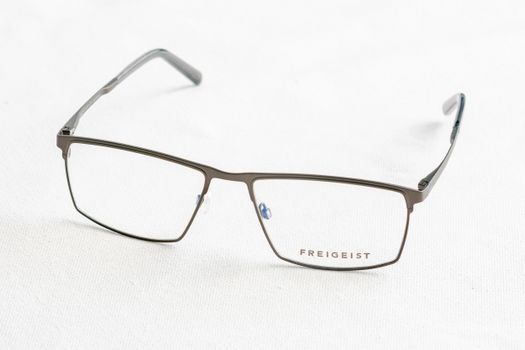
Photo by Saliem Moeslan / Pexels
Mistake #1: Confusing Material Weight with Frame Weight
The biggest misconception about lightweight frames is that material density tells the whole story. Titanium weighs 4.5g per cubic centimeter compared to acetate's 1.2g, yet many titanium frames feel heavier than acetate ones.
The culprit? Frame volume matters more than material density. A thick acetate frame uses more material volume than a thin titanium wire frame. Here's what actually determines frame weight:
- Frame thickness: 2mm titanium temples weigh less than 4mm acetate temples
- Lens area: Oversized frames require more material regardless of type
- Hardware: Metal hinges, screws, and nose pads add 2-4 grams
- Bridge design: Keyhole bridges use 30% less material than solid bridges
Professional tip: Ask for the total frame weight in grams. Quality lightweight frames should weigh 12-18 grams without lenses. Anything over 25 grams will feel heavy after four hours of wear.
Mistake #2: Ignoring Lens Weight in Your Calculations
Frame weight represents only 40-60% of your glasses' total weight. Lens weight varies dramatically based on prescription strength and lens index:
| Lens Index | Weight (per lens) | Best for Prescription |
|---|---|---|
| 1.56 Standard | 8-12g | +/-2.00 or weaker |
| 1.61 Mid-index | 6-9g | +/-4.00 range |
| 1.67 High-index | 4-7g | +/-6.00 or stronger |
| 1.74 Ultra-thin | 3-5g | +/-8.00+ prescriptions |
For prescriptions stronger than +/-4.00, upgrading to 1.67 index lenses can save 6-10 grams total—more weight reduction than switching frame materials. The Diamond rimless frame paired with 1.67 lenses creates an ultra-lightweight combination under 20 grams total.
Mistake #3: Choosing Wrong Frame Geometry for Your Prescription
Frame shape affects both weight and optical performance, especially for strong prescriptions. Most people focus on style while ignoring prescription-specific geometry requirements.
For high minus prescriptions (-4.00 or stronger):
- Smaller lens diameter reduces edge thickness and weight
- Round or oval shapes minimize thick edges at corners
- Frames like Phoenix work better than oversized rectangular styles
For high plus prescriptions (+3.00 or stronger):
- Larger frames hide thick center areas
- Wraparound styles reduce lens center thickness
- Avoid tiny frames that concentrate thickness
Progressive lens wearers need:
- Minimum 28mm lens height for proper corridor length
- Avoid extreme wraparound angles (over 15 degrees)
- Consider memory metal frames for adjustment stability
Mistake #4: Overlooking Weight Distribution and Balance
Even lightweight frames feel heavy when poorly balanced. Weight distribution affects perceived comfort more than absolute weight. A 20-gram frame can feel lighter than a 15-gram frame with better balance.
Front-heavy frames occur when:
- Thick lenses aren't balanced by temple weight
- Large lens areas create forward tilt
- Rimless frames lack counterbalancing material
Temple-heavy frames happen with:
- Thick metal temples on lightweight front frames
- Heavy spring hinges or decorative elements
- Long temples extending past ears
Ideal balance places the center of gravity directly over the nose bridge. Professional fitting involves adjusting temple curves and nose pad positions to achieve this balance point.
Mistake #5: Assuming Flexible Means Lightweight
Memory metal and flexible frames are marketed as lightweight solutions, but flexibility often requires additional material thickness for durability. Beta-titanium frames need 20-30% more material than rigid titanium to achieve flexibility without breaking.
The trade-off analysis:
Flexible frames advantages:
- Resist breaking from drops or impacts
- Maintain adjustment longer than rigid frames
- Comfortable for active lifestyles
Flexible frames disadvantages:
- Often 15-25% heavier than rigid equivalents
- More expensive manufacturing process
- Limited style options compared to acetate
Consider flexible frames only if durability outweighs absolute weight reduction. For desk workers prioritizing comfort, rigid titanium or quality acetate often provides better weight-to-comfort ratios.
Professional Frame Selection Strategy
To avoid these mistakes, follow this systematic approach:
Step 1: Calculate Total System Weight
Frame weight + lens weight + prescription factor = total glasses weight. Target under 25 grams total for all-day comfort.
Step 2: Match Frame to Prescription Needs
Strong prescriptions require specific frame geometry. Don't sacrifice optical performance for style preferences.
Step 3: Test Balance, Not Just Weight
Properly fitted frames should feel balanced when tilting your head forward and backward.
Step 4: Consider Long-term Comfort
Lightweight materials that maintain their shape reduce adjustment needs and long-term discomfort.
Material-Specific Lightweight Options
Pure Titanium: Excellent strength-to-weight ratio, hypoallergenic, but limited color options. Best for minimalist designs and strong prescriptions.
Beta-Titanium: Flexible and lightweight, though heavier than pure titanium. Good compromise for durability-focused users.
Memory Metal: Returns to original shape after bending. Heavier than standard titanium but offers superior durability for active lifestyles.
High-Quality Acetate: Surprisingly lightweight in thin profiles. The BlossomBreeze demonstrates how acetate can compete with metal frames for weight while offering superior style variety.
Carbon Fiber: Extremely lightweight but expensive and limited availability. Reserved for premium sports and aviation applications.
When to Choose Lensdy for Lightweight Frames
Lensdy offers over 200 frame styles designed for European comfort preferences, including specialized lightweight options across all material categories. With prescription lenses starting from £29 and free standard shipping, you can experiment with different lightweight combinations without premium retail markups.
Popular lightweight selections include the ultra-thin Bomb Red acetate frame and various titanium options in their rimless collection. Each frame lists exact weight specifications, allowing informed decisions based on your prescription and comfort requirements.
Based in London (128 City Road, EC1V 2NX), Lensdy ships across Europe with 4-8 business day delivery, making professional-quality lightweight eyewear accessible without traditional optical shop limitations.
Frames mentioned in this article


Frequently Asked Questions
What's the lightest possible glasses frame weight?
Ultra-minimalist titanium frames can weigh as little as 8-10 grams, but most practical lightweight frames range from 12-18 grams. Frames under 10 grams often sacrifice durability or require careful handling.
Do lightweight frames break more easily?
Not necessarily. Titanium and high-quality acetate lightweight frames often outlast heavier metal frames. The key is material quality, not just weight reduction.
Can I make existing heavy frames lighter?
Limited options exist: switching to high-index lenses, removing unnecessary decorative elements, or professional temple adjustment. However, fundamental frame redesign isn't possible.
How much weight difference do you actually notice?
Most people notice 5-8 gram differences in daily wear. The threshold for comfort improvement is typically 10+ grams reduction in total glasses weight.
Ready to find genuinely lightweight frames that prioritize comfort without sacrificing style? Browse Lensdy's complete collection at lensdy.com and discover why proper lightweight frame selection makes all-day wear effortless.