

What Your Optician Won't Tell You About Anti-Reflective Coating
Quick answer
Anti-reflective coating reduces surface reflections from 8% down to approximately 1% on standard coatings, while premium versions achieve rates as low as 0.2%. However, opticians rarely discuss the significant performance differences between coating technologies or their drawbacks.
Premium AR coatings feature 7-9 alternating layers of materials like magnesium fluoride and titanium dioxide, each just 100-200 nanometers thick. Durability varies dramatically: soft coatings applied through vacuum deposition are prone to scratching within 12-18 months, while hard coatings using ion-beam assisted deposition last 3-5 years. Opticians also don't mention that certain AR coatings interfere with polarised laptop screens and mobile displays, creating rainbow effects or reduced visibility at specific angles. Additionally, AR-coated lenses require specific cleaning protocols, as standard household cleaners containing ammonia or alcohol can permanently damage coating integrity. Manufacturing costs are only €3-8 per lens pair, but retail markups of 300-600% are standard, explaining why online retailers offer significantly lower prices.
Anti-reflective coating remains one of the most misunderstood lens treatments in optical retail. While customers debate whether it's worth the investment, opticians often withhold crucial information that could dramatically influence your decision.
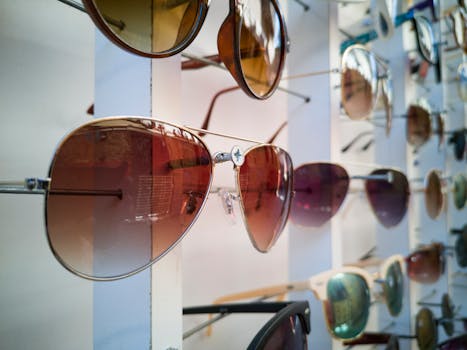
Photo by Engin Akyurt / Pexels
The Hidden Truth About AR Coating Performance
Most opticians present anti-reflective coating as a simple yes-or-no upgrade, typically adding £40-80 to your prescription glasses cost. What they rarely explain is the dramatic performance variation between coating technologies.
Multi-layer interference coatings use precisely controlled thin films to eliminate specific wavelengths of reflected light. Premium AR coatings feature 7-9 alternating layers of materials like magnesium fluoride and titanium dioxide, each just 100-200 nanometers thick.
Standard AR coatings reduce surface reflections from 8% to approximately 1%. However, premium coatings achieve reflection rates as low as 0.2% - a difference your optician likely won't quantify during your appointment.
The Durability Factor Nobody Mentions
AR coating durability varies enormously between manufacturers. While opticians emphasise visual benefits, they rarely discuss longevity differences:
- Soft coatings: Applied through vacuum deposition, prone to scratching within 12-18 months
- Hard coatings: Ion-beam assisted deposition creates molecular bonding, lasting 3-5 years
- Hydrophobic treatments: Additional oleophobic layers repel oils and water, extending coating life
The coating application method determines performance longevity more than brand names or marketing claims.
Shop the frames in this guide


Why Opticians Avoid Discussing AR Coating Drawbacks
Anti-reflective coating isn't universally beneficial, despite standard retail presentations. Opticians rarely highlight scenarios where AR coating creates problems:
Digital Screen Interference
Certain AR coatings interfere with polarised laptop screens and mobile displays. The coating's wavelength-selective properties can create rainbow effects or reduce screen visibility at specific angles.
This particularly affects users of older MacBook Pro models and certain Android devices with polarised displays.
Cleaning Complexity
AR-coated lenses require specific cleaning protocols. Standard household cleaners containing ammonia or alcohol can permanently damage coating integrity, creating cloudy patches that reduce optical clarity.
Opticians profit from lens cleaning solution sales but rarely explain that improper cleaning voids coating warranties.
| Cleaning Method | AR Coating Impact | Recommended Frequency |
|---|---|---|
| Microfiber cloth (dry) | Safe for daily use | As needed |
| Lens cleaning spray | Safe if alcohol-free | 2-3 times weekly |
| Dish soap + water | Safest wet cleaning | Weekly deep clean |
| Shirt/tissue wiping | Causes micro-scratches | Never recommended |
The Economics Opticians Don't Reveal
AR coating markup represents significant profit margins for optical retailers. Understanding the true cost structure reveals why opticians push these upgrades aggressively.
Manufacturing Cost Reality
Industrial AR coating application costs lens manufacturers approximately £3-8 per lens pair, depending on coating complexity. Retail markups of 300-600% are standard across the optical industry.
This explains why online retailers can offer AR coating at dramatically reduced prices compared to traditional opticians.
Replacement Cost Considerations
AR coating damage often necessitates complete lens replacement, as coating cannot be selectively repaired. Factor this into your cost-benefit analysis:
- High-index lenses (1.67, 1.74): AR coating essential due to increased surface reflections
- Standard plastic lenses (1.50): AR coating optional for most users
- Progressive lenses: AR coating recommended to maximise usable vision zones
Professional Lens Selection Strategy
Smart consumers evaluate AR coating necessity based on specific visual demands rather than blanket optician recommendations.
Essential Applications
Night driving: AR coating reduces dangerous glare from oncoming headlights and streetlights. The 7% reflection reduction significantly improves contrast sensitivity in low-light conditions.
Computer work: Reduces eye strain during extended digital device use by eliminating reflection-induced focusing conflicts.
Photography/videography: Prevents lens reflections in professional situations where appearance matters.
Optional Applications
Casual indoor use with standard lighting rarely justifies AR coating investment, particularly for users who frequently damage or replace glasses.
Children's glasses often skip AR coating due to higher damage probability and frequent prescription changes.
Blue Light Integration: The Modern Consideration
Contemporary AR coatings often incorporate blue light filtering technology. This combination creates additional decision complexity that opticians rarely explain thoroughly.
Selective blue light filters block 380-450nm wavelengths while maintaining colour accuracy. However, aggressive blue light blocking can interfere with circadian rhythm regulation.
The optimal approach combines minimal blue light filtering (10-15%) with high-quality AR coating for comprehensive digital eye protection.
Lens Material Compatibility
AR coating performance varies significantly across different lens materials. Opticians rarely discuss these compatibility factors:
High-Index Plastics
Lenses with refractive indices of 1.67 or 1.74 reflect approximately 12-15% of incident light without AR coating. This makes anti-reflective treatment nearly essential for visual comfort.
Polycarbonate Lenses
Polycarbonate's natural impact resistance can conflict with certain AR coating adhesion methods. Verify coating compatibility before committing to this combination.
Trivex Material
Trivex lenses accept AR coatings exceptionally well due to superior surface chemistry. This combination offers optimal durability for active lifestyles.
Quality Assessment Methods
Evaluate AR coating quality using specific visual tests that reveal performance differences:
Reflection test: Hold lenses at arm's length facing a bright light source. Premium coatings show minimal reflection with slight green or blue tint. Poor coatings display obvious white reflections.
Colour neutrality: Quality AR coatings maintain colour accuracy across all viewing angles. Budget coatings may shift colour perception slightly toward green or blue.
Durability indicators: Hydrophobic treatments cause water to bead rather than spread. This indicates premium coating technology with extended lifespan.
Making the Investment Decision
Calculate AR coating value based on your specific visual environment and lens replacement frequency. Users who keep glasses for 3+ years typically benefit from the investment, while frequent upgraders may skip this treatment.
Consider your primary activities: office workers and night drivers gain substantial benefits, while occasional readers may find minimal improvement.
For those seeking quality prescription eyewear with professional AR coating options, Lensdy offers over 200 frame styles with prescription lenses starting from £29. Our Twilight and Roseveil frames pair excellently with anti-reflective treatments for professional and casual wear.
Browse our complete prescription glasses collection to explore frames suitable for AR coating enhancement. Based in London at 128 City Road, EC1V 2NX, we provide free standard shipping and transparent pricing without hidden optical markup.
Frequently Asked Questions
Does anti-reflective coating scratch more easily than uncoated lenses?
Quality AR coatings include hardness treatments that actually increase scratch resistance compared to uncoated plastic lenses. However, when scratches do occur, they're more visible on AR-coated surfaces due to reduced background reflections.
Can I add anti-reflective coating to existing glasses?
AR coating must be applied during lens manufacturing before final edging and mounting. Existing lenses cannot be retroactively treated with anti-reflective coating.
How long does anti-reflective coating typically last?
Premium AR coatings last 3-5 years with proper care, while budget coatings may deteriorate within 12-18 months. Coating longevity depends more on application method than brand names.
Is anti-reflective coating worth it for reading glasses?
For dedicated reading glasses used primarily indoors, AR coating provides minimal benefit unless you frequently read near windows or under harsh lighting conditions.
Ready to experience professional-grade prescription eyewear? Visit lensdy.com to explore our extensive collection and discover why quality doesn't require premium pricing.