

What Opticians Know About Reading Glass Comfort vs Price
Experienced opticians consistently observe that comfort trumps cost when selecting reading glasses for extended daily use.
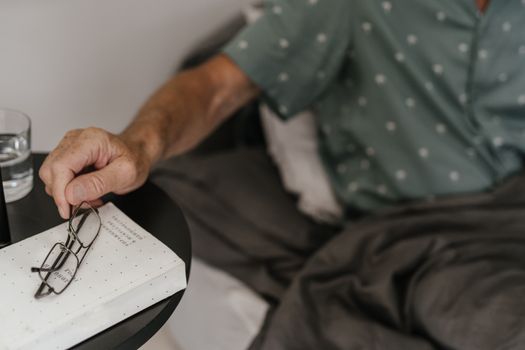
Photo by SHVETS production / Pexels
Affordable reading glasses for everyday use succeed when they balance three critical factors: frame weight distribution, temple pressure adjustment, and lens optical clarity. The most expensive frames often fail at basic comfort fundamentals, while budget-conscious choices excel by prioritising material flexibility and anatomical fit over premium branding. Quality everyday reading glasses should feel barely noticeable after the first hour of wear, maintain consistent focus across the entire lens surface, and adjust securely without creating pressure points behind the ears or across the nose bridge.
Why do expensive reading glasses often feel uncomfortable after extended wear?
Premium reading glasses frequently prioritise aesthetics and brand prestige over ergonomic engineering, creating a paradox where higher prices correlate with reduced comfort during extended use. Luxury frames often employ rigid construction methods that resist the micro-adjustments your face naturally requires throughout the day. The weight distribution in expensive acetate frames tends to concentrate mass at the front, pulling the glasses forward and creating constant downward pressure on your nose. Additionally, premium frames frequently use thicker temple arms designed for visual impact rather than anatomical conformity, resulting in increased pressure points around the ears and temporal regions. The irony becomes apparent when budget-focused manufacturers invest heavily in comfort research specifically because they cannot rely on brand recognition alone - they must deliver tangible wearing advantages to compete effectively.
Material stiffness compounds the problem in luxury reading glasses. High-end acetate formulations often prioritise scratch resistance and colour stability over flexibility, creating frames that maintain their shape rigidly rather than adapting to individual facial contours. This rigidity transfers stress directly to contact points, particularly the nose pads and temple tips, where sustained pressure creates discomfort during reading sessions lasting more than thirty minutes.
Common comfort failures in expensive frames:
- Oversized lens dimensions that shift the centre of gravity forward
- Non-adjustable nose pads that cannot accommodate individual bridge widths
- Temple arms designed for appearance rather than ergonomic curves
- Heavy metal accents that add unnecessary weight without functional benefit
- Rigid hinge mechanisms that resist natural head movement
Shop the frames in this guide


Which frame materials deliver the best comfort for daily reading sessions?
Titanium and memory metal alloys consistently outperform traditional materials for extended reading comfort due to their unique combination of lightweight construction and flexible recovery properties. Titanium frames weigh significantly less than equivalent steel or brass constructions while maintaining superior strength, reducing the constant downward pull that causes nose bridge indentations and sliding. Memory metal temples automatically adjust to head shape variations throughout the day, accommodating natural swelling and movement without requiring manual readjustment. High-quality acetate also excels for reading glasses when formulated for flexibility rather than pure durability, allowing subtle shape conformity while maintaining structural integrity. The key advantage lies in how these materials distribute weight evenly across multiple contact points rather than concentrating pressure in specific areas. Flexible materials also absorb the micro-movements associated with reading - head tilting, page turning, and position shifting - without transmitting stress back to the wearer.
The technical superiority of titanium becomes particularly evident during extended reading sessions. Pure titanium frames eliminate the temple pressure that builds up with traditional metal alloys, while the material's natural spring properties help maintain consistent positioning without constant manual adjustment. Memory metal hinges contribute additional comfort by flexing outward when removing glasses and returning precisely to the optimal wearing position.
| Material | Weight Character | Flexibility | Daily Comfort Rating |
|---|---|---|---|
| Titanium | Ultra-light | Moderate spring | Excellent |
| Memory Metal | Light | High adaptability | Excellent |
| Flexible Acetate | Variable | Good conformity | Very Good |
| Standard Steel | Heavy | Minimal | Fair |
| Rigid Acetate | Medium-heavy | Poor | Fair |
How do lens quality differences affect reading comfort and eye strain?
Lens optical quality directly impacts reading endurance through distortion control, surface treatments, and prescription accuracy across the entire lens surface, with budget lenses often delivering superior comfort when manufactured using modern digital surfacing techniques. High-quality reading lenses maintain consistent prescription power from centre to edge, eliminating the peripheral blur that forces your eyes to work harder during extended reading sessions. Anti-reflective coating becomes crucial for reading comfort by reducing surface glare from overhead lighting and preventing the eye fatigue associated with reflected light interference. Progressive reading lenses require particularly precise manufacturing to ensure smooth power transitions, as any irregularities create the swimming sensation that disrupts comfortable reading flow. The manufacturing precision of modern budget lenses often exceeds that of premium options from previous decades, thanks to computer-controlled surfacing equipment that eliminates human error in prescription grinding. Digital lens processing allows even affordable lenses to incorporate subtle reading optimisations, such as slight base curve adjustments that reduce peripheral distortion during close-focus tasks.
Surface quality plays an equally important role in reading comfort. Modern anti-reflective coatings reduce eye strain by eliminating the constant micro-adjustments your visual system makes to compensate for surface reflections. Blue light filtering becomes relevant for digital reading, though the comfort benefits derive more from reduced screen glare than from any specific wavelength blocking properties.
Essential lens features for comfortable reading:
- Edge-to-edge prescription accuracy for peripheral clarity
- Multi-layer anti-reflective coating to eliminate surface glare
- Appropriate base curve selection for natural eye movement
- Scratch-resistant treatment for maintained optical clarity
- Blue light filtering for digital reading applications
Are progressive lenses worth the extra cost for everyday reading?
Progressive lenses justify their additional cost for readers who frequently shift focus between distances throughout their daily activities, though single-vision reading glasses often provide superior comfort for dedicated reading sessions lasting more than one hour. Progressive lenses eliminate the need to remove glasses when transitioning from book reading to computer screens or distant objects, maintaining visual continuity during complex tasks that involve multiple focal distances. However, the reading zone in progressive lenses occupies a smaller area compared to full-lens single-vision prescriptions, requiring more precise head positioning and potentially causing neck strain during extended reading sessions. The adaptation period for progressive lenses can extend up to two weeks, during which some users experience swimming sensations or peripheral distortion that temporarily reduces reading comfort. Cost-effectiveness depends entirely on usage patterns - readers who primarily focus on books, newspapers, or single-distance activities often achieve better comfort and value with dedicated single-vision reading glasses. Progressive lenses excel for active lifestyles where constant lens switching would prove impractical, but they require higher manufacturing precision and more expensive lens materials to achieve acceptable optical quality.
The reading corridor in progressive lenses typically measures only fifteen to twenty millimetres in width, compared to the full lens surface available with single-vision prescriptions. This limitation forces readers to position text within a narrow sweet spot, potentially creating postural strain during lengthy reading sessions.
Consider progressive lenses if you:
- Frequently alternate between reading and distance vision
- Use computers extensively alongside traditional reading
- Prefer wearing one pair of glasses throughout the day
- Have successfully worn progressive lenses previously
Choose single-vision reading glasses if you:
- Read for extended periods without interruption
- Primarily use glasses for books, newspapers, or close work
- Want maximum reading comfort without head positioning constraints
- Prefer the most affordable option for dedicated reading tasks
What frame measurements ensure comfortable all-day wear?
Proper frame measurements for comfortable all-day reading focus on three critical dimensions: lens width between 50-54 millimetres for optimal field of view, bridge width matching your natural nose contour typically ranging from 16-20 millimetres, and temple length of 140-150 millimetres to distribute weight evenly behind the ears. Frame width should align closely with your face width at the temples, avoiding both excessive overhang that creates instability and narrow fits that generate pressure points at the temporal regions. The vertical lens height becomes particularly important for reading glasses, with minimum dimensions of 30 millimetres required to accommodate comfortable eye movement during text scanning without encountering frame edges. Bridge fit determines long-term comfort more than any other single measurement, as improper bridge width concentrates the entire frame weight onto a small nose area, creating indentations and sliding issues that worsen throughout extended wear periods. Temple curvature should follow the natural ear positioning behind your head, typically requiring a gradual seven to ten degree bend that begins approximately 35 millimetres from the hinge point. Modern flexible temples can accommodate minor measurement variations, but basic dimensional compatibility remains essential for sustained comfort during multi-hour reading sessions.
Professional fitting techniques focus on achieving three-point contact distribution: balanced nose bridge support, gentle temple contact behind the ears, and minimal pressure concentration at any single point. The frame should remain stable during normal head movement without requiring constant readjustment or creating awareness of its presence.
| Measurement | Comfortable Range | Impact on Reading |
|---|---|---|
| Lens Width | 50-54mm | Field of view coverage |
| Bridge Width | 16-20mm | Weight distribution stability |
| Temple Length | 140-150mm | Ear pressure balance |
| Lens Height | 30mm minimum | Vertical scanning range |
| Frame Width | Match face width | Temporal pressure control |
How can you test reading glasses for long-term comfort before purchasing?
Effective comfort testing for reading glasses requires simulating actual usage conditions through extended trial periods that reveal pressure points and stability issues not apparent during brief initial fitting. Wear prospective glasses for at least fifteen minutes while performing typical reading tasks, paying particular attention to any developing pressure sensations around the nose bridge, temple areas, or behind the ears where discomfort typically manifests first. Test head movement comfort by looking up from reading material to simulate natural reading behaviour, checking for frame shifting or pressure changes during position transitions. Evaluate lens positioning by ensuring your natural reading focal point falls within the optical centre without requiring unusual head tilting or chin positioning that could cause neck strain during extended sessions. The glasses should feel secure during gentle head shaking without creating awareness of their weight or presence on your face. Bridge contact should feel evenly distributed rather than concentrated on specific pressure points, and temple arms should rest gently behind your ears without creating hotspots or requiring constant repositioning. Online retailers often provide generous return policies specifically because proper comfort assessment requires real-world testing that cannot be replicated in brief store visits.
Pay attention to subtle comfort indicators that predict long-term wearability. Glasses that feel slightly heavy during initial trial will become uncomfortable during extended reading sessions. Any immediate pressure awareness typically intensifies with prolonged wear, making initial comfort assessment critical for successful selection.
Essential comfort tests for reading glasses:
- Fifteen-minute reading simulation with typical materials
- Head movement testing to check frame stability
- Bridge pressure assessment for even weight distribution
- Temple positioning behind ears for hotspot detection
- Lens centre alignment with natural reading focal point
- Gentle activity testing to evaluate secure fit without tightness
Do blue light blocking lenses improve reading comfort?
Blue light filtering lenses provide measurable comfort improvements for digital reading applications by reducing the high-energy visible light that contributes to screen glare and visual fatigue, though their benefits for traditional paper-based reading remain minimal since printed materials emit no blue light wavelengths. Computer screens, tablets, and e-readers emit significant blue light concentrations that can create visual discomfort during extended reading sessions, particularly in low-light environments where pupil dilation increases blue light exposure to retinal tissues. Blue light filtering works by selectively absorbing wavelengths between 400-490 nanometres while maintaining colour accuracy for normal reading tasks, effectively reducing the harsh glare quality associated with LED backlighting systems. The comfort improvement manifests as reduced eye watering, decreased blinking frequency, and elimination of the sharp visual contrast that forces constant pupil adjustment during screen reading transitions. However, blue light coating adds cost to reading glasses without providing benefits for traditional book reading, making cost-effectiveness dependent on individual digital reading habits. Quality blue light filtering maintains colour accuracy while eliminating the harsh glare component, though some cheaper implementations create yellow-tinted vision that distorts text appearance and reduces reading comfort rather than improving it.
The mechanism behind blue light comfort improvement involves reducing the chromatic aberration and scattering effects that digital screens create within the eye's optical system. High-energy blue wavelengths focus slightly differently than other visible light, creating subtle focusing conflicts that contribute to digital eye strain.
Blue light filtering benefits digital reading by:
- Reducing screen glare intensity for improved text contrast
- Minimising focusing conflicts between different wavelengths
- Decreasing pupil adjustment frequency during screen transitions
- Eliminating the harsh quality of LED backlighting systems
Blue light coating proves unnecessary for:
- Traditional book and newspaper reading
- Outdoor reading applications
- Readers who exclusively use printed materials
- Budget-conscious users focusing on basic reading needs
Finding Affordable Reading Glasses That Prioritise Comfort
Quality reading glasses need not strain your budget when you focus on proven comfort features rather than premium branding. At Lensdy, we understand that everyday reading comfort depends on proper fit and optical clarity rather than expensive marketing campaigns.
Our collection includes over 200 frame styles specifically selected for daily wear comfort. Consider the Guard model for its lightweight titanium construction, or explore the Sandy for flexible acetate comfort. The Cuban offers classic styling with modern comfort engineering, while the Gerard Hyper-Flex provides memory metal temple adjustment for personalised fit.
Our affordable prescription lenses include all essential comfort features: anti-reflective coating, scratch resistance, and precise prescription accuracy across the entire lens surface. Choose from single vision, progressive, or blue light filtering options to match your specific reading requirements. We offer various lens indices (1.56, 1.61, 1.67, 1.74) to optimise thickness and weight for your prescription strength.
For budget-conscious readers, browse our glasses starting from €29 collection, which includes complete prescription glasses with quality lenses at exceptional value.
Based in London (128 City Road, EC1V 2NX), Lensdy ships across Europe with most orders arriving within 1-2 weeks. We provide free shipping on orders over €59, making quality reading glasses accessible without premium retail markups.
Frequently Asked Questions
How long should reading glasses last with daily use?
Quality reading glasses should provide 2-3 years of comfortable daily use with proper care. Frame durability depends on material choice and handling, while lens coatings typically maintain effectiveness for 18-24 months before showing wear signs. Replace glasses when comfort deteriorates, prescription changes, or lens scratches interfere with clear vision.
Can I wear reading glasses all day without harm?
Reading glasses designed for your specific prescription cause no harm during extended wear. However, reading prescriptions optimised for close distances may create slight blur for distant objects. If you need clear vision at multiple distances throughout the day, consider progressive lenses or separate glasses for different tasks.
Why do my reading glasses slide down constantly?
Sliding typically results from incorrect bridge width, insufficient temple curve, or improper weight distribution. The bridge should match your nose width precisely, while temples need appropriate curvature to rest securely behind your ears. Adjustable nose pads and flexible temple materials help achieve stable positioning.
Should I choose plastic or metal frames for reading?
Both materials can provide excellent reading comfort when properly designed. Flexible acetate offers warmth and comfort for extended wear, while titanium and memory metal provide ultra-lightweight strength. Focus on fit quality, weight distribution, and personal comfort preferences rather than material type alone.
Discover comfortable, affordable reading glasses that enhance rather than hinder your daily reading experience. Browse our complete collection at lensdy.com and find your perfect reading companion today.