

Swim Goggle Seals vs Straps: Which Causes More Leaking?
Your swim goggles leak every lap because the seal creates uneven pressure around your eye socket, usually from overtightening the strap or positioning the gasket on your eyelashes instead of your orbital bone.
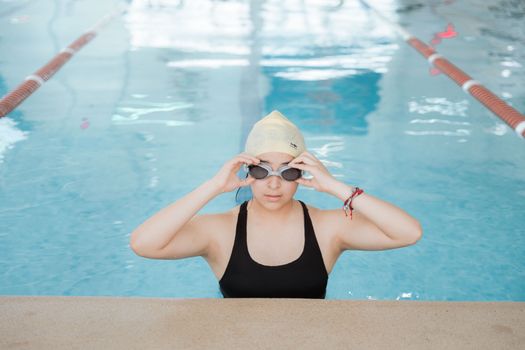
Photo by Ali Alcántara / Pexels
Most swimmers blame a defective seal when their goggles leak, but the root cause is typically improper fitting technique. The silicone gasket needs to sit on the bony ridge around your eye socket, not on soft tissue or eyelashes. When positioned correctly with moderate strap tension, even budget goggles should stay watertight for entire training sessions.
Why do swim goggles leak in the first place?
Swim goggle leaks happen when the silicone seal cannot maintain consistent contact with your face, creating gaps that allow water to seep through. The most common cause is the gasket sitting on your eyelashes or the soft skin of your eyelid instead of the firm orbital bone that surrounds your eye socket. This bony ridge provides the stable surface needed for an effective watertight seal. Overtightening the strap compounds the problem by distorting the gasket shape and creating pressure points that actually push the seal away from your face. Another frequent issue occurs when facial oils, sunscreen residue, or chlorine buildup on the gasket prevents proper adhesion. The gasket material itself can also deteriorate over time, becoming stiff and losing its ability to conform to your face shape. Understanding these failure points helps you troubleshoot leaks systematically rather than assuming you need new goggles.
Temperature changes affect seal performance too. Cold water makes silicone gaskets stiffer and less flexible, while hot conditions can make them too soft to maintain their shape under strap pressure.
Shop the swim goggles in this guide


How tight should swim goggle straps be?
Swim goggle straps should be tight enough to hold the goggles in place during turns and dives, but loose enough that you can slide one finger under the strap at the back of your head. Overtightening is the most common mistake swimmers make when trying to stop leaks. Excessive strap tension distorts the gasket shape, creating pressure points that actually break the seal and allow water to enter. The correct approach involves positioning the gaskets properly first, then adjusting strap tension gradually until the goggles stay in place without pressing uncomfortably into your face. You should feel even, gentle pressure around the entire gasket perimeter, not concentrated pressure at specific points. When straps are properly adjusted, the goggles should feel secure but not create red marks or indentations that last more than a few minutes after removal. Many competitive swimmers prefer slightly looser straps during long training sessions to prevent headaches and maintain comfort over extended periods.
Signs your straps are too tight
- Red marks or indentations around your eyes that persist after swimming
- Headaches during or after swim sessions
- Gaskets that bow outward at the edges
- Increased leaking despite tighter adjustment
What's the correct way to position swim goggle seals?
Position swim goggle seals directly on the orbital bone that surrounds your eye socket, ensuring the gasket sits completely outside your eyelashes and eyebrows. The orbital bone provides a firm, consistent surface for the silicone seal to grip, unlike the soft tissue of your eyelids which compresses under pressure and creates gaps. Start by holding the goggles against your face without the strap, pressing gently until you feel the gasket make contact with bone rather than soft skin. The seal should curve smoothly around this bony ridge, with no part of the gasket resting on eyelashes, which act like tiny levers that lift the seal away from your face. Check that the gasket lies flat against your skin with no air bubbles trapped underneath. The nose bridge should sit comfortably without pinching, and both gaskets should make equal contact pressure. Many swimmers make the mistake of positioning goggles too high or too low, placing the seal partially on soft tissue where it cannot maintain a watertight barrier.
Before putting on the strap, test the seal by gently pressing the goggles against your properly positioned face. Well-fitted goggles should create enough suction to stay in place for a moment on their own.
Common positioning mistakes
- Placing gaskets on eyelashes instead of orbital bone
- Positioning goggles too close to the eyeball
- Allowing air bubbles under the gasket
- Ignoring asymmetrical face features that require slight adjustment
How do you clean goggle seals to prevent leaking?
Clean goggle seals with cool water and mild soap after each use, focusing on removing chlorine, oils, and debris that interfere with the gasket's ability to create a watertight seal against your skin. Chlorine buildup makes silicone gaskets stiff and less flexible, while facial oils, sunscreen, and hair products create a slippery film that prevents proper adhesion. Use your fingertips to gently scrub the gasket surface, paying particular attention to the inner edge that contacts your face. Rinse thoroughly with clean water to remove all soap residue, which can also compromise seal performance. Avoid using harsh chemicals, abrasive cleaners, or rough cloths that might damage the delicate gasket material. After cleaning, shake off excess water and allow goggles to air dry completely before storing them in a protective case. Regular cleaning extends gasket life significantly and maintains optimal sealing performance throughout the goggle's lifespan. Some swimmers rinse their goggles with fresh water before swimming to remove any dust or oils picked up during storage.
Store clean goggles in a ventilated case to prevent moisture buildup that can degrade the gasket material over time.
When should you replace leaking swim goggles?
Replace swim goggles when the gasket material becomes permanently deformed, develops cracks or tears, or loses its flexibility despite proper cleaning and storage. How long a silicone gasket keeps sealing depends mostly on how often you swim, how much chlorine it sees and how well you rinse it. Signs that replacement is necessary include gaskets that feel hard or brittle, visible cracks in the silicone, or persistent leaking that continues after trying different positioning and strap adjustments. Gaskets that have developed permanent indentations or flat spots from overtightening cannot create an effective seal regardless of how carefully you position them. Chlorine exposure gradually breaks down silicone compounds, causing the material to lose its elasticity and conforming ability. However, many swimmers replace goggles prematurely when the real issue is poor fitting technique or inadequate cleaning. Before purchasing new goggles, systematically check your positioning, strap tension, and cleaning routine to ensure the current pair isn't salvageable with proper technique adjustments.
Professional swimmers often keep multiple pairs in rotation, using newer goggles for competitions and older pairs for casual training sessions.
Should you use anti-fog treatment on leaking goggles?
Anti-fog treatments do not prevent leaking and may actually worsen seal problems by creating a slippery coating on the gasket that reduces its grip on your skin. These products are designed specifically for lens surfaces to improve visibility underwater, not for gasket maintenance or leak prevention. Some anti-fog sprays and gels can migrate from the lens to the gasket during use, creating an oily film that interferes with the silicone's ability to form a watertight seal against your face. If you use anti-fog products, apply them only to the lens interior and avoid contact with the gasket entirely. Wipe away any excess product before swimming to prevent transfer to the seal area. The most effective approach involves addressing the root cause of leaks through proper positioning and strap adjustment, then treating fog issues separately with carefully applied anti-fog solutions.
Goggle maintenance priorities
- Master proper positioning and strap tension first
- Establish a regular cleaning routine for gaskets
- Apply anti-fog treatments only to lens surfaces
- Replace goggles when gasket material deteriorates
What about prescription swim goggles that leak?
Prescription swim goggles follow the same leak-prevention principles as regular goggles, but the added lens weight and different frame geometry may require slight adjustments to strap tension and positioning technique. The prescription lenses make these goggles heavier, which can cause them to shift during swimming if the strap is too loose. However, the same rule applies: start with proper gasket positioning on the orbital bone, then adjust strap tension gradually until the goggles stay secure without creating excessive pressure. Some prescription swim goggle designs have slightly different gasket shapes to accommodate the lens mounting system, but the sealing mechanism remains identical. If you're experiencing persistent leaks with prescription swim goggles, consider that the added investment makes it worthwhile to spend extra time perfecting your fitting technique rather than assuming the goggles are defective. The optical correction is too valuable to compromise with poorly fitted goggles that leak and fog up during use.
We sell prescription swim goggles ourselves: Surge (black), Tide (blue), Coral (red) and Brine (white), each made up with your own prescription. The fitting rules above apply to them exactly as they do to any other pair. You can see all four in our swim goggles collection.
Do goggle leaks get worse in different water conditions?
Cold water makes goggle leaks more likely because lower temperatures reduce silicone flexibility, making gaskets stiffer and less able to conform to your face contours for an effective seal. Pool chemicals, particularly high chlorine concentrations, can temporarily affect gasket performance by making the silicone surface slippery until properly rinsed. Salt water creates additional challenges because dried salt crystals left on gaskets after ocean swimming act like tiny abrasives that gradually wear down the seal surface. Rough water conditions put extra stress on goggle positioning, requiring slightly tighter strap adjustment to maintain seal contact during wave action or aggressive swimming strokes. However, the fundamental leak-prevention strategies remain the same regardless of water conditions: proper gasket positioning on the orbital bone and appropriate strap tension. Experienced open-water swimmers often test their goggle fit more rigorously before entering challenging conditions, ensuring the seal will hold up under stress. Some adjust their strap tension slightly tighter for rough water, then loosen it during calmer swimming to maintain comfort.
Rinse goggles immediately after swimming in salt water or heavily chlorinated pools to prevent chemical buildup that degrades gasket performance over time.
Frequently Asked Questions
Why do my goggles leak only on one side?
One-sided leaking usually indicates asymmetrical positioning where one gasket sits properly on the orbital bone while the other rests partially on soft tissue or eyelashes. Most faces are slightly asymmetrical, so you may need to adjust the strap or reposition that side individually. Check that both gaskets make equal contact and the nose bridge isn't pulling one side away from your face.
Can I use petroleum jelly to stop goggle leaks?
Never use petroleum jelly or similar products on goggle gaskets, as these substances break down silicone rubber and attract debris that worsens leaking problems. Petroleum-based products also create an oily film that prevents the gasket from gripping your skin properly. Stick to proper positioning and clean gaskets for effective leak prevention.
How long should swim goggles last before leaking starts?
There is no fixed lifespan: it depends on how often you swim, the pool chemistry and how well you rinse and dry them. As a rule, leaks that develop immediately usually indicate fitting problems rather than worn gaskets. Focus on perfecting your technique before assuming the goggles are defective.
Should I buy more expensive goggles to avoid leaking?
Price doesn't guarantee leak-proof performance if the goggles don't fit your face shape properly. A cheap pair that fits well will outperform an expensive pair that doesn't match your facial contours. Focus on trying different brands and styles to find the best fit for your face rather than assuming expensive means better sealing.
If you need your prescription in the water, start with our prescription swim goggles, then use the fitting steps above on day one. For dry land, browse our prescription glasses collection. Shipping is free on orders over €59, and most orders arrive within 1–2 weeks.
Ready to upgrade your everyday eyewear? Visit lensdy.com to explore our full range of affordable prescription glasses and find your perfect fit.