

How to Stop Glasses Fogging Up: 7 Proven Methods That Work
Quick answer
Glasses fog up when warm, moisture-laden air contacts the cooler surface of your lenses, creating condensation that forms tiny water droplets. This temperature differential is particularly common when moving between heated indoor spaces and cooler outdoor air, or when wearing face masks that direct exhaled air upward.
The most effective prevention methods include using premium anti-reflective coatings with hydrophobic properties that cause water to bead and roll off rather than forming a film. Proper frame fitting is crucial—glasses should maintain a 12-14mm distance between lens and eyelashes to optimize airflow and prevent warm air pockets. Commercial anti-fog sprays create invisible barriers lasting 8-12 hours, while strategic mask-wearing techniques like ensuring the top edge sits flush against your nose bridge prevent exhaled air from reaching lenses. Temperature acclimatization by briefly removing glasses before entering warm environments prevents sudden thermal shock that causes immediate fogging. High-index lens materials fog less readily than standard plastic lenses due to their superior thermal properties.
Fogged glasses transform simple daily tasks into frustrating obstacles. Whether you're entering a warm Warsaw café on a winter morning or wearing a face mask during Kraków's humid summers, lens condensation disrupts your vision at the worst moments. The science behind this phenomenon is straightforward—but the solutions require precision.
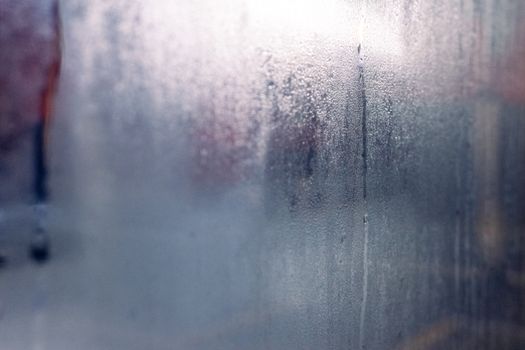
Photo by Patrick / Pexels
Why Do Glasses Fog Up? The Science Explained
Condensation forms when warm, moisture-laden air contacts the cooler surface of your lenses. Your glasses act as a condensation point where water vapour transforms into tiny droplets, creating that familiar cloudy film. This temperature differential occurs frequently in Poland's variable climate—stepping from air-conditioned shops into Gdańsk's summer humidity, or moving from heated buildings into Poznań's crisp autumn air.
The process intensifies with certain lens materials and coatings. Standard plastic lenses (CR-39) fog more readily than high-index materials due to their thermal properties. Additionally, glasses that sit closer to your face—particularly wraparound sports frames—create microclimates that trap humid air near the lens surface.
Shop the frames in this guide


7 Professional Methods to Prevent Lens Fogging
1. Anti-Reflective Coatings with Hydrophobic Properties
Premium anti-reflective coatings include hydrophobic treatments that repel water molecules. These microscopic layers reduce surface tension, causing water to bead and roll off rather than forming a continuous film. Quality AR coatings can reduce fogging compared to uncoated lenses.
When selecting AR coatings, specify treatments that include both oleophobic (oil-repelling) and hydrophobic properties. These dual-function coatings maintain their effectiveness longer and provide superior fog resistance.
2. Proper Frame Fitting and Nose Pad Adjustment
Glasses that sit too close to your face create warm air pockets that promote condensation. Professional frame adjustments can significantly reduce fogging by optimizing airflow around your lenses.
Optimal measurements:
- 12-14mm distance between lens and eyelashes
- Nose pads should distribute weight evenly without pinching
- Temple arms should curve gently behind ears without creating pressure points
- Frame should sit level, not tilted forward or backward
Metal frames with adjustable nose pads offer superior customization compared to fixed plastic nose bridges.
3. Commercial Anti-Fog Solutions
Professional anti-fog sprays create invisible barriers that prevent water adhesion. Apply these solutions to clean, dry lenses using microfiber cloths. Quality anti-fog treatments last 8-12 hours under normal conditions.
Avoid household alternatives like soap or shaving cream—these contain moisturizers and fragrances that can damage lens coatings and create streaking.
4. Strategic Ventilation Techniques
When wearing face masks, ensure proper fit to direct exhaled air away from your glasses. The mask's top edge should sit flush against your nose bridge, with no gaps that allow warm air to escape upward.
Pro tip: Fold a tissue horizontally and place it inside the top of your mask. This absorbs moisture from exhaled air before it reaches your lenses—a technique used by healthcare professionals during long procedures.
5. Temperature Acclimatization
Before entering warm environments, remove your glasses for 30-60 seconds to allow them to adjust gradually to temperature changes. This prevents the sudden thermal shock that causes immediate fogging.
In Poland's winter months, consider keeping your glasses in an outer pocket when transitioning between heated buildings and outdoor temperatures below 5°C.
6. Lens Material Selection
High-index lens materials (1.67, 1.74) have different thermal properties than standard plastic. These thinner lenses warm more quickly, reducing the temperature differential that causes condensation. However, they require premium AR coatings to maximize anti-fog benefits.
| Lens Index | Fog Resistance | Best For |
|---|---|---|
| 1.56 (Standard) | Moderate | Low prescriptions (-2.00 to +2.00) |
| 1.61 Polycarbonate | Good | Sports, children, safety applications |
| 1.67 High-Index | Very Good | Moderate prescriptions (-4.00 to +4.00) |
| 1.74 Ultra High-Index | Excellent | Strong prescriptions (>±4.00) |
7. Photochromic Lens Advantage
Photochromic lenses adjust to temperature changes more gradually than standard lenses due to their chemical composition. This thermal stability reduces sudden condensation when moving between different environments.
Choosing Anti-Fog Eyewear: Frame and Lens Combinations
Modern eyewear design incorporates anti-fog engineering at the frame level. Look for styles with optimized airflow channels and precise fitting parameters.
The Guard frame features strategically positioned ventilation gaps that promote air circulation while maintaining professional aesthetics. Its adjustable nose pads allow for precise fitting to minimize fog-prone air pockets.
For active lifestyles, the Pulse design incorporates wraparound geometry with anti-fog engineering. The frame's temple design includes subtle vents that prevent moisture buildup during physical activity.
Consider the SkyAura if you frequently transition between indoor and outdoor environments. Its lightweight titanium construction warms quickly to ambient temperature, while the precision-fit nose bridge optimizes airflow dynamics.
For versatile anti-fog performance, the Lynx combines metal durability with strategic weight distribution that maintains consistent positioning throughout daily activities.
Climate-Specific Solutions for Poland
Poland's continental climate presents unique fogging challenges. Spring months in Warsaw bring rapid temperature fluctuations that test even premium anti-fog solutions. Summer humidity in coastal Gdańsk can overwhelm standard preventive measures.
Seasonal strategies:
- Winter: Allow 2-3 minutes acclimatization when entering heated buildings
- Spring: Carry anti-fog wipes for sudden weather changes
- Summer: Choose frames with maximum ventilation, avoid tight fits
- Autumn: Focus on humidity management with breathable frame materials
Lensdy ships premium eyewear across Europe with delivery to Poland within 1–2 weeks. Based in London at 128 City Road, EC1V 2NX, Lensdy offers over 200 frame styles with prescription lenses starting from €29. free shipping on orders over €59 ensures that advanced anti-fog solutions reach customers in Kraków, Poznań, Gdańsk, and Warsaw without additional cost.
Frequently Asked Questions
Do blue light blocking lenses fog up more than regular lenses?
Blue light blocking coatings don't significantly affect fogging properties. The anti-reflective treatment applied over blue light filters actually improves fog resistance. High-quality blue light lenses with premium AR coatings perform similarly to standard lenses for anti-fog performance.
How often should I replace anti-fog spray treatments?
Professional anti-fog sprays maintain effectiveness for 8-12 hours under normal conditions. Reapply when you notice increased fogging, typically once daily for regular use. Avoid over-application, which can create streaking and reduced optical clarity.
Can I add anti-fog coating to existing glasses?
Anti-fog properties are integrated during lens manufacturing and cannot be added retroactively as a coating. However, you can use temporary solutions like anti-fog sprays, wipes, or films. For permanent anti-fog performance, new lenses with integrated hydrophobic treatments are necessary.
Why do my glasses fog up more in certain rooms?
High humidity environments—kitchens, bathrooms, or poorly ventilated spaces—increase fogging frequency. Temperature differentials between your body heat and air conditioning also contribute. Rooms with humidity levels above 60% present challenging conditions for any anti-fog solution.
Stop struggling with foggy lenses that disrupt your daily routine. Browse Lensdy's collection of anti-fog engineered frames and premium lens options designed for Poland's diverse climate conditions. Visit lensdy.com to find your perfect fog-resistant eyewear solution today.