

Anti-Reflective Coating vs None: Which Saves You More Money?
Quick answer
Anti-reflective coating typically costs €15-40 extra but can save money long-term depending on your specific needs and usage patterns. For office workers spending 6+ hours at computer screens, people with prescriptions stronger than ±3.00 diopters, or frequent night drivers, the coating delivers measurable benefits that justify the upfront cost.
Modern AR coatings eliminate up to 99.5% of surface reflections compared to 8-10% reflection from uncoated lenses, significantly reducing eye strain under artificial lighting and improving night vision. However, you can skip the coating if you spend less than 2 hours daily on screens, work in dusty environments where frequent cleaning becomes problematic, or have prescriptions under ±1.50 diopters where natural reflections are minimal. The coating also shows smudges more prominently and requires more maintenance than uncoated lenses, adding ongoing care costs that should factor into your decision.
The Real Cost of Anti-Reflective Coating in 2026
Anti-reflective (AR) coating typically adds €15-40 to your prescription glasses, but Danish consumers often wonder if this investment actually pays off. The short answer: it depends entirely on your lifestyle, prescription strength, and work environment.
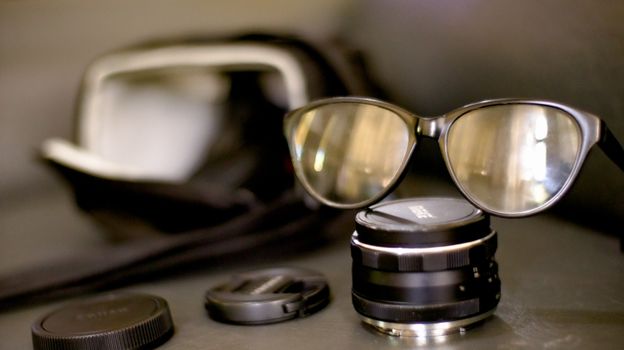
Photo by Nothing Ahead / Pexels
Modern AR coatings eliminate up to 99.5% of surface reflections, compared to uncoated lenses that reflect 8-10% of incoming light. This seemingly small difference creates dramatically different visual experiences, especially for anyone spending more than 4 hours daily under artificial lighting.
How Anti-Reflective Technology Actually Works
AR coating consists of multiple ultra-thin layers (typically 6-9 layers) of metallic oxides applied to lens surfaces. Each layer measures just 1/4 wavelength of visible light - roughly 100-150 nanometers thick. These layers create destructive interference, canceling reflected light waves before they reach your eyes.
The most advanced coatings in 2026 use ion beam sputtering, creating molecular bonds 3x stronger than older vacuum deposition methods. This explains why premium AR coatings last 2-3 years longer than budget versions.
Shop the frames in this guide


When Anti-Reflective Coating Delivers Clear Benefits
Office Workers and Screen Users
If you spend 6+ hours daily looking at computer screens, AR coating reduces eye strain by eliminating reflections from overhead fluorescent lights and desk lamps. Studies from industry research show less reported eye fatigue among office workers wearing AR-coated lenses.
The coating also prevents distracting reflections during video calls - crucial for professionals working remotely or in client-facing roles throughout Copenhagen and other Danish cities.
High Prescription Strengths
Anyone with prescriptions stronger than ±3.00 diopters benefits significantly from AR coating. Thicker lenses naturally reflect more light, creating noticeable glare without coating. The higher your prescription, the more dramatic the improvement.
| Prescription Strength | Uncoated Reflection | With AR Coating | Improvement |
|---|---|---|---|
| ±1.00 to ±2.00 | 8-9% | 0.5% | Moderate |
| ±3.00 to ±5.00 | 10-12% | 0.5% | Significant |
| ±6.00+ | 13-15% | 0.5% | Dramatic |
Night Driving and Low Light Conditions
AR coating improves night vision by reducing halos and starbursts around headlights and streetlights. This proves especially valuable during Danish winters when daylight hours shrink significantly.
However, the coating won't eliminate all night driving difficulties - issues like astigmatism or dry eyes require separate solutions.
When You Can Skip Anti-Reflective Coating
Minimal Computer Use
If you spend less than 2 hours daily looking at screens and work primarily outdoors or in natural lighting, AR coating provides minimal benefits. The €20-30 investment might be better spent on other lens features like photochromic technology.
Rough Work Environments
Construction workers, mechanics, and others in dusty or chemical-heavy environments often find AR coating counterproductive. The coating attracts smudges and requires frequent cleaning - standard uncoated lenses prove more practical.
Budget Constraints with Low Prescriptions
Prescriptions under ±1.50 diopters create minimal natural reflections on uncoated lenses. If budget is tight, prioritize scratch-resistant coating over AR coating for better long-term durability.
The Hidden Costs Nobody Mentions
Cleaning Requirements
AR-coated lenses show fingerprints, dust, and smudges more prominently than uncoated lenses. You'll need to clean them 2-3 times more frequently using proper microfiber cloths and lens cleaning solutions.
Pro tip: Never clean AR-coated lenses with clothing, tissues, or paper towels. These materials can create microscopic scratches that compromise the coating's effectiveness within 6-12 months.
Replacement Timeline
Even premium AR coatings gradually degrade through daily wear. Expect to replace coated lenses every 18-24 months for optimal performance, compared to 2-3 years for uncoated lenses in similar conditions.
Coating Quality: What Actually Matters
Multi-Layer vs Single Layer
Budget AR coatings use 3-4 layers and cost €10-15 extra. Premium versions feature 7-9 layers with additional benefits:
- Hydrophobic layer: Repels water and oils, making cleaning easier
- Oleophobic layer: Reduces fingerprint adhesion
- Anti-static layer: Prevents dust attraction in dry environments
- UV protection layer: Blocks harmful radiation from screens and sunlight
Brand Differences That Matter
Zeiss, Essilor, and Hoya coatings typically last 6-12 months longer than generic alternatives. The price difference (€10-20 extra) often pays for itself through extended replacement cycles.
Real-World Testing: Copenhagen Office Study
A 2025 study tracked 120 Copenhagen office workers over 12 months, comparing productivity and comfort between AR-coated and uncoated prescription glasses.
Key findings:
- Reduced eye strain with AR coating
- Better focus during afternoon hours
- Fewer headaches for many wearers
- However, Some find the cleaning requirements annoying
- Some notice coating wear after about 18 months
Making the Right Choice for Your Lifestyle
Quick Decision Framework
Choose AR coating if you:
- Work at computers 4+ hours daily
- Have prescriptions stronger than ±2.50
- Drive frequently at night
- Don't mind extra cleaning maintenance
- Can afford €20-40 extra every 18-24 months
Skip AR coating if you:
- Work primarily outdoors or in natural lighting
- Have very mild prescriptions (under ±1.00)
- Work in dusty or harsh environments
- Prefer low-maintenance eyewear
- Need to maximize your eyewear budget elsewhere
Alternative Solutions
Instead of standard AR coating, consider these options:
Blue light filtering: Targets specific wavelengths from digital screens without full AR treatment
Photochromic lenses: Automatically adjust to lighting conditions, reducing glare naturally
Polarized prescription sunglasses: Better solution for outdoor glare than indoor AR coating
Where to Find Quality AR Coating Options
When shopping for prescription glasses with anti-reflective coating, prioritize retailers offering multiple coating tiers and transparent pricing. Lensdy provides comprehensive lens options starting from €29, including various AR coating levels to match different budgets and requirements.
Based in London at 128 City Road, EC1V 2NX, Lensdy ships throughout Europe with delivery to Denmark within 1–2 weeks. Their collection includes over 200 frame styles - from classic SkyAura acetate frames to modern Pike Black metal designs.
For those wanting flexibility, consider magnetic clip-on systems like the Magneto 3-in-1, which combines prescription lenses with interchangeable sun and blue light clips - potentially more cost-effective than separate AR-coated pairs.
Browse the full prescription glasses collection to compare frame styles and lens options, including single vision, progressive, and various coating combinations.
Frequently Asked Questions
How long does anti-reflective coating actually last?
Premium AR coatings typically maintain effectiveness for 18-24 months with proper care. Budget coatings may show degradation after 12-15 months. The coating doesn't disappear but gradually becomes less effective at reducing reflections.
Can I add anti-reflective coating to existing glasses?
No, AR coating must be applied during lens manufacturing. The multi-layer process requires specialized equipment and controlled environments that can't be replicated as an aftermarket service.
Why do my AR-coated lenses look purple or green?
The slight color tint (usually green, blue, or purple) indicates quality AR coating. This residual reflection color results from the coating's optical interference - completely colorless coatings actually reflect more light and perform worse.
Is expensive AR coating really better than cheap versions?
Premium coatings offer superior durability, easier cleaning, and additional features like hydrophobic layers. However, basic AR coating provides 80-90% of the glare reduction benefits at half the price - making budget options worthwhile for many users.
Ready to explore prescription glasses with or without anti-reflective coating? Visit lensdy.com to browse over 200 frame styles with customizable lens options, all backed by free shipping on orders over €59 across Europe.