

5 Things You Actually Pay For in Designer Eyewear
Designer eyewear prices reflect more than just brand prestige – you're paying for specific materials, manufacturing precision, and technical features that affect daily wear.
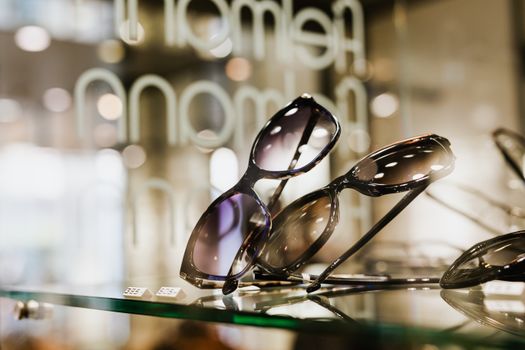
Photo by https://kaboompics.com/ / Pexels
When you purchase designer frames, your money goes toward premium materials like titanium or high-grade acetate, precision-engineered hinges that undergo thousands of open-close cycles, multi-layer lens coatings applied in controlled environments, hand-finished details requiring skilled craftspeople, and rigorous quality testing standards. These elements distinguish designer pieces from basic frames, though the markup structure means you're often paying several times the actual production cost for these upgrades.
Are premium materials worth the extra investment?
Premium eyewear materials deliver measurable performance differences that justify higher costs for many wearers. Titanium frames weigh roughly half as much as steel equivalents while offering superior corrosion resistance and hypoallergenic properties. High-grade acetate maintains its shape and colour better than cheaper plastics, resisting the yellowing and warping that affects budget frames after months of wear. Memory metal temples return to their original position after bending, eliminating the constant adjustments needed with standard metal frames.
The material quality becomes most apparent in daily durability tests. Premium acetate frames maintain their glossy finish through regular cleaning, while cheaper alternatives develop a cloudy appearance as surface coatings wear away. Titanium hinges operate smoothly after years of use, whereas basic metal hinges develop play and looseness within months. These differences compound over the typical two-to-three-year lifespan of prescription glasses, making premium materials a practical investment for regular wearers.
However, material quality varies significantly even within premium categories. Some designer brands use the same base materials as mid-range manufacturers but apply superior finishing processes or more rigorous quality control standards.
Shop the frames in this guide


What engineering features drive up frame costs?
Advanced engineering features in designer frames focus on solving common eyewear problems through mechanical innovation. Spring hinges contain internal mechanisms that allow temples to flex beyond their normal range without breaking, using tiny coil springs or flexible metal components. These mechanisms require precise assembly and add several euros to production costs per frame. Adjustable nose pads use sophisticated mounting systems that maintain their position over time, rather than the simple press-fit designs found in budget frames.
Lens mounting systems represent another major engineering investment. Rimless frames require precision-drilled mounting holes and specialized hardware to secure lenses without traditional frame support. Semi-rimless designs use nylon cord or wire systems tensioned to specific tolerances. These mounting approaches demand exact measurements and skilled assembly, as improper installation leads to lens cracking or frame failure.
Weight distribution engineering becomes critical in larger frames or progressive lens designs. Designers adjust temple thickness, nose bridge placement, and overall geometry to balance frames properly on different face shapes. This optimization requires extensive prototyping and testing across various head sizes and face proportions.
The most sophisticated frames incorporate multiple adjustment points – temple length adjusters, nose pad angle controls, and pantoscopic tilt mechanisms. Each adjustment point adds complexity to manufacturing and assembly processes.
How do lens coatings affect the final price?
Multi-layer lens coatings significantly impact eyewear costs because they require specialized equipment and controlled manufacturing environments. Anti-reflective coatings involve depositing multiple ultra-thin layers of metallic oxides onto lens surfaces using vacuum chamber processes. Each layer must be applied at precise thicknesses measured in nanometres, with the entire process repeated for both lens surfaces. Premium anti-reflective treatments may include six to eight individual layers, each requiring separate application and curing cycles.
Scratch-resistant coatings use hardened materials like silicon dioxide applied through dip-coating or spin-coating processes. These treatments increase lens surface hardness substantially compared to untreated plastic lenses. However, coating durability varies significantly based on application quality and underlying lens material. Polycarbonate lenses typically receive scratch-resistant coatings as standard due to the material's inherent softness.
Blue light filtering coatings incorporate specific materials designed to absorb or reflect high-energy visible light wavelengths. These specialized coatings often produce a slight amber or purple tint visible under certain lighting conditions. The filtering effectiveness depends on coating thickness and chemical composition, with premium versions offering more neutral appearances.
Photochromic treatments represent the most complex coating technology, using photosensitive molecules embedded within the lens material itself. These lenses darken automatically in UV light exposure, with transition speeds and darkness levels varying based on temperature and UV intensity.
Why does brand licensing add to eyewear costs?
Brand licensing agreements create substantial cost structures that directly impact retail pricing for designer eyewear. Fashion houses license their names to specialized eyewear manufacturers, who pay licensing fees typically calculated as fixed amounts per unit sold plus ongoing royalty payments. These agreements often include minimum production commitments, meaning manufacturers must produce certain quantities regardless of actual demand, spreading fixed costs across all units produced.
Licensed eyewear must meet brand aesthetic standards and quality requirements specified in detailed style guides. This oversight involves approval processes for every design element, from hinge styles to logo placement, requiring multiple prototype iterations before final approval. Brand representatives often inspect production facilities and finished products to ensure consistency with brand image standards.
Marketing and advertising costs associated with designer eyewear campaigns represent major investments shared between brand owners and manufacturers. These campaigns typically feature high-profile endorsements, professional photography, and placement in premium publications, with costs distributed across the product line pricing structure.
Exclusive distribution agreements limit where licensed eyewear can be sold, often restricting sales to authorized optical retailers who meet specific store presentation and staff training requirements. These limitations reduce competition and support higher retail margins compared to mass-market eyewear brands.
What quality control standards justify premium pricing?
Designer eyewear undergoes extensive quality control testing that budget manufacturers often skip to reduce costs. Each frame typically passes through multiple inspection stations checking dimensional accuracy, surface finish quality, hinge operation smoothness, and temple alignment precision. Optical measurements verify that lens mounting positions meet prescription accuracy standards, with tolerances measured in fractions of millimetres. Premium manufacturers reject frames for cosmetic defects that budget producers might accept, including minor colour variations, surface imperfections, or slight asymmetries.
Durability testing subjects frames to accelerated wear cycles simulating months or years of normal use. Hinge mechanisms undergo thousands of opening and closing cycles while monitoring for looseness or binding. Temple flexibility tests bend frames beyond normal use ranges to verify they return to original positions without permanent deformation. Drop tests evaluate frame survival rates when subjected to typical accident scenarios.
Lens quality standards for designer eyewear typically exceed basic optical requirements. Premium lenses undergo surface quality inspections using specialized lighting to detect minor scratches, bubbles, or optical distortions invisible under normal lighting conditions. Coating adhesion tests verify that anti-reflective and scratch-resistant treatments maintain durability under cleaning and handling stress.
Final assembly inspection includes precise measurements of pupillary distance accuracy, lens centration, and prescription verification before packaging. These quality control steps require trained technicians and specialized equipment, adding labour costs that budget manufacturers minimize through automated or abbreviated inspection processes.
How do distribution markups affect what you pay?
The journey from manufacturer to consumer involves multiple markup stages that substantially increase final retail prices beyond production costs. Manufacturers typically sell completed frames to distributors at prices several times their actual production costs, covering development expenses, quality control investments, and licensing fees. Distributors then apply their own markups when selling to optical retailers, adding costs for warehousing, logistics, and regional sales support.
Optical retailers face significant overhead expenses including rent for premium locations, specialized equipment for eye examinations and lens fitting, trained staff salaries, and professional liability insurance. These operational costs require substantial markups on eyewear sales to maintain profitable businesses. Independent optical shops often operate with different cost structures compared to large chains, affecting their pricing flexibility and final consumer costs.
Exclusive distribution agreements common with designer brands limit price competition by controlling which retailers can sell specific products. These agreements often include minimum advertised price policies preventing retailers from publicly advertising discounts below specified levels. Such restrictions maintain premium positioning but reduce consumer opportunities to find competitive pricing.
Online retailers like Lensdy can offer more competitive pricing by eliminating many traditional distribution layers and reducing overhead expenses associated with physical storefronts. Direct-to-consumer models bypass distributor markups and reduce inventory carrying costs through streamlined operations.
Are designer frames worth the investment over alternatives?
Designer frames provide genuine value for specific user priorities, though alternatives often deliver similar functionality at lower costs. The premium materials, advanced engineering, and quality control standards in designer eyewear typically result in longer-lasting frames that maintain their appearance and fit over extended use periods. For individuals wearing glasses daily, particularly those with strong prescriptions requiring precise optical alignment, these quality differences justify higher investments through reduced replacement frequency and better visual comfort.
However, many mid-range manufacturers now offer comparable materials and construction quality without designer brand premiums. Titanium frames, spring hinges, and premium lens coatings are available across price ranges, with the primary differences often lying in aesthetic details rather than functional performance. Budget-conscious consumers can access similar technical features by focusing on frame specifications rather than brand names.
The decision ultimately depends on individual priorities regarding fashion, durability expectations, and budget constraints. Designer frames excel in unique styling, exclusive colour options, and prestige value that some consumers consider essential. Others prioritize functionality and value, finding equivalent performance in less expensive alternatives.
For those seeking premium quality without designer markups, companies like Lensdy offer designer-quality frames with advanced materials and precision manufacturing at more accessible prices. Options like the Liberty Black titanium frame or Caramel acetate design provide premium features without traditional retail markups.
Smart shopping strategies for quality eyewear
Focus on frame specifications rather than brand names when evaluating eyewear value. Look for specific material callouts like "titanium alloy", "beta-titanium", or "high-grade acetate" rather than generic "metal" or "plastic" descriptions. Spring hinge mechanisms, adjustable nose pads, and multi-layer lens coatings provide functional benefits regardless of brand prestige.
Consider your wearing patterns when selecting features. Daily glasses wearers benefit most from lightweight materials, comfortable nose pads, and durable hinges. Occasional users might prioritize style over advanced engineering features. Progressive lens wearers should invest in precise lens positioning and quality optical measurements regardless of frame brand.
Online retailers often provide better value through reduced overhead costs and direct-to-consumer models. Lensdy combines premium frame quality with competitive pricing, offering over 200 frame styles with professional-grade prescription lenses. Their Gerard Blue and RoseBow frames exemplify quality construction at accessible prices.
Compare total costs including lens upgrades when evaluating options. Some retailers offer attractive frame prices but charge premium rates for anti-reflective coatings or high-index lenses that should be standard inclusions.
- Prioritize fit and comfort: The best materials mean nothing if frames don't fit properly
- Verify return policies: Quality retailers stand behind their products with reasonable return windows
- Consider lens upgrade costs: Budget for anti-reflective coatings and appropriate lens indices for your prescription
- Read frame specifications carefully: Look for specific material grades and feature callouts
Frequently Asked Questions
Do expensive frames really last longer than budget options?
Premium frames typically last longer due to better materials and construction quality. Titanium and high-grade acetate resist wear better than basic metals and plastics. However, proper care and handling affect longevity more than price alone. A well-maintained budget frame may outlast an expensive frame subjected to rough treatment.
Are designer lens coatings better than standard options?
Designer brands often use the same coating suppliers as other manufacturers. The key differences lie in quality control standards and coating thickness specifications. Premium coatings typically offer better clarity and durability, but the brand name doesn't guarantee superior performance compared to quality independent options.
How much should I expect to pay for quality prescription glasses?
Quality prescription glasses with good materials, proper coatings, and accurate lens work typically range from €150-400 depending on prescription complexity and frame choice. Prices above this level often reflect brand premiums rather than proportional quality improvements.
Can I get designer quality without paying designer prices?
Yes, many retailers offer premium materials and construction without designer markups. Look for specific features like titanium construction, spring hinges, and multi-layer coatings rather than focusing on brand names. Online retailers often provide better value through reduced overhead costs.
Understanding what drives designer eyewear costs helps you make informed purchasing decisions based on your actual needs rather than marketing claims. Whether you choose designer frames or quality alternatives, prioritize proper fit, appropriate materials for your lifestyle, and comprehensive lens treatments for optimal vision correction.
Lensdy offers premium eyewear quality without traditional retail markups, combining over 200 frame styles with professional prescription lens services. Based in London at 128 City Road, EC1V 2NX, we provide European shipping with free delivery on orders over €59, typically arriving within 1-2 weeks. Browse our complete selection at lensdy.com to find quality frames that match your style and budget requirements.