

How to Pick Lightweight Glasses That Actually Stay Light
The average prescription glasses weigh between 25-35 grams, but many so-called "lightweight" frames end up feeling heavy once you add lenses. The culprit? Most people focus solely on frame weight while ignoring lens thickness, nose pad design, and weight distribution.
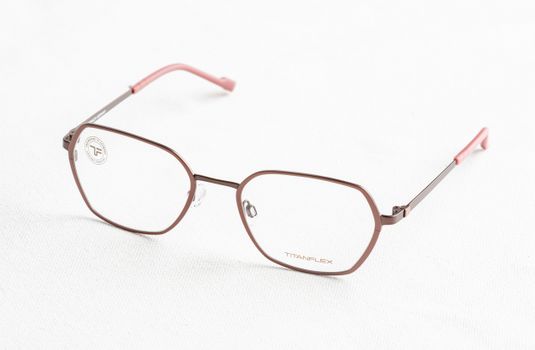
Photo by Saliem Moeslan / Pexels
Here's how to build genuinely lightweight glasses that stay comfortable all day, based on frame materials, lens choices, and fit adjustments that make the biggest difference.
Frame Material Weight Comparison
| Material | Average Frame Weight | Durability | Best For |
|---|---|---|---|
| Titanium | 8-15g | Excellent | Strong prescriptions |
| Memory Metal | 12-18g | Very Good | Active lifestyles |
| Thin Acetate | 15-22g | Good | Style-focused wear |
| Rimless | 6-12g | Fair | Minimal look |
The Lens Weight Factor Everyone Ignores
Frame weight means nothing if your lenses add 20+ grams. A basic plastic lens in a -4.00 prescription adds roughly 8-12 grams per lens. High-index materials can cut this significantly:
- 1.56 index (standard): Heaviest but cheapest option
- 1.61 index: 20% thinner, noticeably lighter for -2.00 to -4.00 prescriptions
- 1.67 index: 35% thinner, essential for -4.00+ prescriptions
- 1.74 index: Thinnest available, but diminishing returns under -6.00
The Speed frame weighs just 11 grams and works exceptionally well with higher index lenses because its minimal design doesn't compete with thick lens edges.
Why Nose Pad Design Matters More Than Total Weight
A 20-gram frame can feel lighter than a 15-gram frame if the weight distribution is better. Look for these features:
Adjustable Nose Pads
Metal frames with adjustable silicone pads distribute weight across a larger surface area. The pads should be at least 8mm wide and positioned to contact the sides of your nose, not just the bridge.
Low Bridge Fit
Frames designed for lower nose bridges (typically Asian fit) often have wider, flatter nose pads that spread weight more evenly. Even if you don't need Asian fit specifically, this design reduces pressure points.
Flexible Temples
Memory metal or spring-loaded temples reduce the grip pressure behind your ears. The Delicate Hyperflex frame uses flexible materials that self-adjust without creating pressure points.
Frame Shape Impact on Perceived Weight
Certain frame shapes feel heavier regardless of actual weight because they shift the center of gravity:
Oversized frames move weight forward, making your glasses slide down. Even lightweight materials feel heavy when constantly sliding.
Top-heavy frames with thick upper rims create a front-heavy feeling. The Porto Brown frame counters this with strategic weight distribution in the lower rim.
Rimless designs eliminate frame weight around the lenses entirely, but the trade-off is durability. Lens edges take more impact without rim protection.
The Professional Fitting Advantage
Even perfectly lightweight glasses feel heavy with poor fit. Key adjustments include:
Temple Angle
Temples should angle down at 45 degrees from your ears. Too steep and they slide forward; too shallow and they create lift-off pressure.
Pantoscopic Tilt
The frame should tilt 8-12 degrees forward from vertical. This prevents the frames from resting entirely on your nose and distributes weight to the temples.
Vertex Distance
Lenses should sit 12-14mm from your eyes. Closer positioning reduces lens thickness in strong prescriptions, cutting overall weight.
Material-Specific Lightweight Champions
Titanium Frames
Pure titanium frames offer the best strength-to-weight ratio. Beta titanium adds flexibility without significant weight increase. Avoid titanium alloys labeled as "titanium" – they're often heavier steel blends.
Memory Metal Options
Nickel-titanium memory metal bounces back from bending and eliminates adjustment needs. Slightly heavier than pure titanium but virtually indestructible for active wear.
Rimless Considerations
True rimless glasses using only drill-mounted lenses achieve the lowest possible weight. However, they require high-quality lenses (polycarbonate minimum) and careful handling. Rimless frames work best for mild to moderate prescriptions under ±4.00.
Ultra-Thin Acetate
Modern acetate can be milled to 2-3mm thickness while maintaining structural integrity. The DappleSky frame demonstrates how thin acetate construction reduces weight without sacrificing style options.
Prescription-Specific Weight Management
Low prescriptions (-1.00 to +2.00): Frame choice matters most. Standard 1.56 index lenses work fine, so invest in the lightest frame materials.
Moderate prescriptions (-2.00 to -4.00): Balance frame and lens weight. 1.61 index lenses paired with titanium frames offer the best comfort-to-cost ratio.
Strong prescriptions (-4.00+): Lens material becomes critical. 1.67 or 1.74 index lenses can save more weight than switching frame materials.
Common Lightweight Frame Mistakes
Choosing rimless for strong prescriptions: Thick lens edges become visible and fragile without rim protection.
Ignoring temple weight: Heavy temple tips create an unbalanced feel even with lightweight fronts.
Prioritizing frame weight over fit: A 25-gram frame that fits perfectly feels lighter than a 15-gram frame that slides constantly.
Skipping anti-reflective coatings: While coatings add minimal weight, they improve visual comfort significantly in lightweight, minimal frames.
Building Your Lightweight Prescription Setup
For genuinely comfortable all-day wear, consider Lensdy's approach to lightweight eyewear. With over 200 frame styles including titanium, memory metal, and ultra-thin acetate options, you can build prescription glasses starting from £29 that prioritise both weight and durability.
Their London-based team (128 City Road, EC1V 2NX) ships across Europe with free standard delivery, making it easy to access professional-quality lightweight frames without the typical retail markup. The combination of frame variety and lens customisation options means you can optimise for your specific prescription and comfort needs.
Frames mentioned in this article


Frequently Asked Questions
Do lightweight glasses break more easily?
Not necessarily. Titanium and memory metal frames are both lightweight and extremely durable. However, ultra-thin acetate and rimless designs do sacrifice some durability for weight savings. The key is choosing the right material for your lifestyle rather than assuming all lightweight frames are fragile.
How much do lenses add to total glasses weight?
Standard plastic lenses add 6-15 grams depending on prescription strength and lens size. High-index lenses can reduce this by 30-50% in moderate to strong prescriptions. Progressive lenses typically add 2-4 grams compared to single vision due to increased thickness.
Can I make existing glasses feel lighter?
Professional adjustments can help redistribute weight more evenly, but you can't change the fundamental frame or lens weight. Upgrading to thinner lenses during your next prescription update offers the most significant weight reduction for existing frames.
Are expensive lightweight frames worth the cost?
Premium materials like titanium and memory metal do cost more upfront but often last longer and maintain their fit better than cheaper alternatives. However, well-designed acetate frames can offer comparable comfort at lower prices, especially for mild prescriptions.
Ready to find your perfect lightweight frames? Browse the complete selection at lensdy.com and discover how modern materials and proper fitting can transform your daily eyewear comfort.