

5 Mistakes That Make Your Glasses Feel Heavy All Day
Heavy glasses that slide down your nose and leave marks on your bridge aren't just uncomfortable—they're often the result of preventable mistakes in frame selection and lens choices.
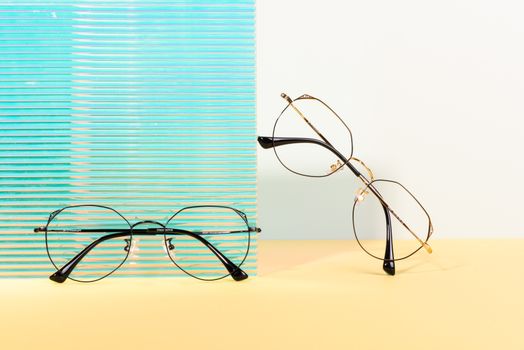
Photo by GlassesShop GS / Pexels
The lightest glasses frames combine three factors: optimal material selection (titanium and memory metal typically weigh under 15 grams), proper lens thickness matching your prescription strength, and frame geometry that distributes weight evenly across your nose and ears. A lightweight acetate frame with thick high-index lenses will feel heavier than a titanium frame with standard lenses, making material choice only part of the comfort equation.
Are you choosing frames based on looks alone instead of weight distribution?
Frame selection mistakes account for most comfort complaints, yet most buyers focus entirely on aesthetics. The biggest error is choosing oversized frames for strong prescriptions—larger lenses require more material and create thicker edges that add significant weight. A second critical mistake involves ignoring nose pad design: frames without adjustable nose pads can't be properly fitted, forcing the entire weight onto a narrow contact area. Bridge width matters equally—a bridge that's too narrow creates pressure points, while one that's too wide shifts weight to the temples. The frame's overall geometry affects balance: top-heavy designs with thick upper rims concentrate weight above your nose, creating the sliding sensation that makes glasses feel heavier than they actually are. Temple design contributes significantly—thick, rigid temples feel heavier than flexible ones, even at identical weights. Finally, many buyers assume all lightweight materials perform equally, but memory metal frames offer superior comfort because they maintain their shape while flexing with facial movements, reducing pressure points that make frames feel heavier during extended wear.
- Oversized frames with strong prescriptions: Creates thick, heavy lens edges
- Fixed nose bridges: No adjustment for proper weight distribution
- Incorrect bridge width: Concentrates pressure instead of spreading it
- Top-heavy rim designs: Makes frames slide down constantly
- Thick, rigid temples: Adds unnecessary weight behind ears
Shop the frames in this guide


Which frame materials actually deliver on lightweight promises?
Titanium remains the gold standard for lightweight frames, typically weighing 8-15 grams for a complete frame, roughly half the weight of comparable acetate designs. Pure titanium offers the best strength-to-weight ratio, while titanium alloys provide similar benefits with easier manufacturing and lower costs. Memory metal (often titanium-based) adds flexibility without weight penalties, making frames feel even lighter through reduced pressure points. Acetate frames vary dramatically—thin profiles can rival titanium for weight, but thick designer styles often exceed 25 grams. The acetate's density and rim thickness matter more than the material itself. Rimless designs eliminate frame weight entirely around the lenses, but require thicker lens edges for mounting, creating a trade-off that doesn't always favor weight reduction. Metal alloys marketed as "lightweight" often disappoint because they compensate for weakness with thickness. Flexible plastics like TR90 offer good weight characteristics but lack the premium feel and durability of titanium. The frame's construction method affects weight significantly—welded titanium joints are lighter than screwed connections, while injection-molded plastics can achieve thinner profiles than hand-assembled acetate frames.
| Material | Typical Weight | Key Advantage |
|---|---|---|
| Pure Titanium | 8-12g | Strongest, lightest, hypoallergenic |
| Memory Metal | 10-15g | Flexibility reduces pressure points |
| Thin Acetate | 12-20g | Style variety, moderate weight |
| Rimless | 6-10g | Minimal frame material |
Why are your lenses adding more weight than necessary?
Lens selection mistakes often outweigh frame material benefits, particularly with stronger prescriptions where thickness variations create dramatic weight differences. The most common error is choosing standard 1.50 index lenses for prescriptions above ±2.00 diopters—these create thick, heavy lenses that negate any frame weight savings. High-index materials like 1.67 or 1.74 reduce thickness by up to 40mm in strong prescriptions, cutting lens weight substantially. However, many buyers assume the highest index is always best, but 1.74 lenses are heavier per volume than 1.67 options, making 1.67 optimal for most prescriptions. Lens diameter contributes significantly to weight—oversized lenses in trendy frames require more material across the entire surface. Progressive lenses add weight through increased thickness in the lower portion, but modern free-form designs minimize this compared to traditional progressives. Anti-reflective coatings add minimal weight while improving visual comfort, making treated lenses feel lighter in use despite slight weight increases. Photochromic lenses carry weight penalties through thicker substrates, but the convenience often justifies the trade-off. Polarized prescription lenses require additional layers that increase thickness, particularly in curved sunglasses where lens geometry amplifies weight distribution issues.
Lens Index Selection Guide
- ±0.00 to ±2.00: Standard 1.50 or 1.56 index sufficient
- ±2.25 to ±4.00: 1.61 index optimal for weight/cost balance
- ±4.25 to ±6.00: 1.67 index recommended for thickness reduction
- Above ±6.00: 1.74 index for maximum thinness
How does proper fitting reduce the sensation of weight?
Professional fitting can make identical frames feel dramatically different through strategic weight distribution and pressure point elimination. Nose pad adjustment is crucial—properly positioned pads spread weight across the entire nose surface rather than creating concentrated pressure points that amplify weight sensation. Pad height, width, and angle all require individual adjustment based on nose bridge anatomy. Temple adjustment affects perceived weight through both balance and contact pressure—temples bent to follow ear contours distribute weight naturally, while poor temple fit creates pressure spots that make frames feel heavier. Bridge fit determines how much weight transfers to nose pads versus temples—a properly fitted bridge carries approximately 70mm of total frame weight on the nose, with temples supporting the remainder. Pantoscopic tilt adjustment affects balance and visual zones in progressive lenses while influencing weight distribution. Many lightweight frames feel heavy due to incorrect temple length—temples that are too short create pressure behind ears, while overly long temples shift weight forward. Frame alignment ensures even weight distribution across both sides of the face, preventing the tilting sensation that makes one side feel heavier. Professional fitting includes micro-adjustments that home fitting cannot replicate, particularly for titanium frames that require specialized tools for precise bending without material fatigue.
What role does prescription strength play in overall weight?
Prescription strength affects total glasses weight more dramatically than frame material choices, particularly above ±3.00 diopters where lens thickness increases exponentially rather than linearly. Minus prescriptions create thick edges that add weight around the frame's perimeter, while plus prescriptions thicken lens centers, concentrating weight closer to your nose. The prescription's cylinder component for astigmatism adds thickness variations across the lens surface, creating uneven weight distribution that affects balance. Strong prescriptions benefit more from frame size reduction than material upgrades—a smaller titanium frame with appropriate high-index lenses will feel lighter than a large acetate frame with premium materials. Progressive prescriptions add weight through the reading corridor's increased thickness, but modern free-form designs minimize this compared to traditional blanks. Prism corrections require additional thickness that compounds with sphere and cylinder powers, making frame weight selection more critical for complex prescriptions. Bifocal segments add minimal weight but create balance changes through uneven thickness distribution. The prescription's base curve affects lens thickness at frame edges—flatter base curves reduce edge thickness in minus prescriptions while increasing center thickness in plus powers. Prescription strength also limits frame style options, as strong prescriptions require smaller frames for acceptable thickness, making lightweight materials more important for maintaining style variety.
Should you consider magnetic clip-on systems for versatility?
Magnetic clip-on systems offer unique weight advantages by allowing single lightweight prescription frames to serve multiple functions without carrying permanent weight of integrated features. Traditional clip-on sunglasses add 8-15 grams when attached, but can be removed entirely for indoor use, unlike photochromic lenses that maintain full weight constantly. Modern magnetic systems like 3-in-1 and 4-in-1 designs use strong neodymium magnets that secure clips without adding bulk to the base frame. The base prescription frames in magnetic systems are typically designed lighter since they don't need to accommodate integrated features, often weighing 2-4 grams less than equivalent photochromic frames. Blue light clips for computer work can be attached only when needed, avoiding the slight yellow tint and weight of permanent blue light coatings during non-screen activities. Magnetic alignment ensures clips don't shift during wear, preventing the balance issues common with traditional clip-ons that slide or rotate. The modular approach means damaged clips can be replaced without replacing prescription lenses, extending the system's lifespan while maintaining optimal weight distribution. However, magnetic systems require slightly thicker frames to house the magnetic mounting points, which may offset some weight advantages in ultra-thin designs. The clip attachment process takes practice, and strong magnets can interfere with some electronic devices when frames are stored nearby.
For lightweight eyewear that combines comfort with style, ClearGrey and Sleek Black showcase how proper frame design reduces weight without sacrificing durability. Guard demonstrates titanium construction benefits, while Bomb Green shows how acetate frames can achieve comfortable weight distribution.
Frequently Asked Questions
How much should lightweight glasses frames weigh?
Quality lightweight frames typically weigh 8-18 grams total. Titanium frames usually fall in the 8-15 gram range, while well-designed acetate frames achieve 12-20 grams. Anything above 25 grams will feel noticeably heavy during extended wear.
Do rimless glasses always feel lighter than full-rim frames?
Not necessarily. Rimless designs eliminate frame weight around lenses, but require thicker lens edges for mounting screws, which can add weight back. The total weight depends on your prescription strength and lens material choice.
Are expensive lightweight frames worth the extra cost?
Premium materials like pure titanium and advanced memory metals offer genuine weight advantages and superior durability. However, well-designed frames in moderate price ranges can achieve similar comfort through proper geometry and fitting.
Can I make my current heavy glasses feel lighter?
Professional adjustment of nose pads, temple fit, and frame alignment can significantly improve comfort. However, if your frames exceed 25 grams or have fundamental design issues, replacement with properly chosen lightweight frames will provide better results.
Lensdy offers over 200 frame styles in lightweight materials including titanium, memory metal, and optimized acetate designs. Based in London, we provide affordable prescription lenses with high-index options to minimize thickness and weight. Browse our prescription glasses collection to find frames that prioritize comfort without compromising style. Orders over €59 qualify for free shipping on orders over €59, with most deliveries arriving within 1-2 weeks.
Ready to experience truly comfortable eyewear? Visit lensdy.com to explore our lightweight frame collection and find your perfect fit.