

Wide vs Regular Frames: Sizing Up Big Head Glasses
Quick answer
Wide-fit glasses differ from regular frames in three critical dimensions: temple length (140-150mm vs 130-135mm), proportional scaling, and construction architecture designed for heads measuring 60cm+ in circumference. The key difference isn't simply stretching regular frames—manufacturers redesign the entire structure with extended temple curves that begin 5-8mm later, wider bridges (19-22mm vs 16-18mm), and adjusted lens geometry to maintain proper optical center alignment within 2mm of pupil position.
Material choice becomes crucial for wider frames due to increased stress on temple spans. Titanium offers superior flex recovery compared to steel alloys and performs better across wider distances, while memory metal provides excellent flexibility for active lifestyles. Proper fitting requires measuring bitemporal width, ear placement depth, and nose bridge angle—dimensions often overlooked but essential for preventing pressure points, sliding, and prescription accuracy issues that can affect vision by up to 0.25 diopters.
Finding glasses that actually fit a larger head involves more than just grabbing the biggest frames on display. The difference between wide-fit and regular frames comes down to precise measurements that most people—and even some opticians—get wrong.
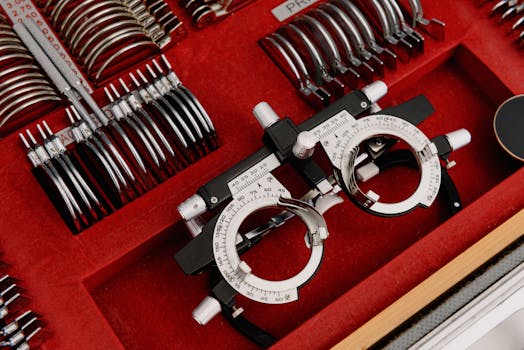
Photo by Ksenia Chernaya / Pexels
The Critical Measurements That Matter
Regular frames typically measure 130-135mm in temple length, while wide-fit frames extend to 140-150mm. But temple length is just one piece of the puzzle. The real game-changer is the frame width calculation: lens width + bridge width + both temple widths.
For heads measuring 60cm+ in circumference (about 15% of adults), standard frames create pressure points that cause:
- Temple squeeze after 2-3 hours of wear
- Bridge pinching leaving red marks on the nose
- Lens positioning errors that affect prescription accuracy by up to 0.25 diopters
- Uneven weight distribution causing frames to slide down
Shop the frames in this guide


Wide Frame Construction: What Actually Changes
Manufacturers don't simply stretch regular frames. Wide-fit glasses feature:
Extended Temple Architecture
The temple curve begins 5-8mm later than standard frames, accommodating wider skulls without creating pressure behind the ears. Quality wide frames use progressive flex zones rather than single bend points.
Proportional Bridge Scaling
While regular frames use 16-18mm bridges, wide-fit models often feature 19-22mm bridges. This isn't just about nose width—it affects how the frame sits on your face and distributes weight.
Lens Shape Optimization
Wide frames maintain proper pupil positioning through adjusted lens geometry. The optical center must align within 2mm of your pupil center, regardless of frame size.
Material Performance in Large Frames
| Material | Flex Rating | Temple Strength | Best For |
|---|---|---|---|
| Titanium | Excellent | High | Lightweight wide frames |
| Memory Metal | Superior | Medium | Active lifestyles |
| Acetate | Good | Variable | Fashion-forward styles |
| Steel Alloy | Limited | High | Durability priority |
Professional insight: Titanium frames like the Twilight offer 40% better flex recovery than steel alloys, crucial for wider temple spans that experience more stress during daily wear.
The Fitting Process: Beyond Trial and Error
Proper wide frame fitting requires measuring three facial dimensions most people ignore:
Bitemporal Width
Measure from temple to temple across your forehead. This determines maximum frame width without temple pressure. Add 2-4mm for comfort allowance.
Ear Placement Depth
The distance from your lens plane to ear attachment point. Deeper-set ears need longer temples or adjustable temple curves.
Nose Bridge Angle
Wide faces often have flatter nose bridges. Standard nose pads may not provide adequate support, requiring adjustable or wider pad systems.
Style Considerations for Larger Frames
Wide frames don't have to mean oversized fashion statements. The Seraphine demonstrates how subtle design tweaks create comfortable wide fits without appearing bulky.
Proportional Balance
Frame height should increase proportionally with width. A 150mm wide frame typically needs 45-50mm lens height to maintain visual balance, compared to 40-42mm for standard frames.
Temple Taper Strategy
Quality wide frames feature graduated temple tapering—thicker at the hinge, narrower toward the ear. This distributes pressure more evenly than uniform thickness temples.
Common Wide Frame Mistakes
Even experienced opticians sometimes miss these critical errors:
Oversizing regular frames: Stretching standard frames destroys the original geometry and creates weak points at stress junctions.
Ignoring prescription limitations: High-index lenses (1.67+) in very wide frames can create peripheral distortion. The Roseveil style works well with standard 1.56 index lenses for this reason.
Neglecting progressive lens positioning: Wide frames affect progressive lens corridors. The reading zone may shift outward, requiring prescription adjustments.
Lens Technology Compatibility
Wide frames present unique challenges for specialized lenses:
Photochromic lenses may transition unevenly in very wide frames due to varied light exposure across the lens surface.
Anti-reflective coatings require precise application on larger lens surfaces. Quality varies significantly between manufacturers.
Blue light filtering maintains effectiveness regardless of frame size, making it an ideal upgrade for wide-frame wearers who spend long hours at screens.
Maintenance and Durability
Wide frames experience different stress patterns than standard glasses:
- Hinge fatigue occurs 20-30% faster due to increased leverage
- Temple spreading is more common and harder to repair
- Nose pad wear accelerates due to increased frame weight
The Crystalline incorporates reinforced hinge designs specifically for extended wear comfort.
Professional Fitting vs. Online Ordering
While online ordering offers convenience and better pricing, wide-fit glasses benefit from professional measurement. However, many customers successfully order online by:
Taking precise measurements of current well-fitting frames, focusing on total width and temple length rather than just lens size.
Understanding return policies thoroughly—fit issues are more common with wide frames.
Starting with conservative styles before experimenting with fashion-forward designs.
The Lensdy Advantage for Wide Fits
Lensdy's prescription glasses collection includes over 200 frame styles, with numerous wide-fit options designed for larger faces. Based in London at 128 City Road, EC1V 2NX, Lensdy offers prescription lenses starting from £29 with free standard shipping across Europe.
The online fitting tools help identify suitable wide frames, while the return policy accommodates the trial process often necessary for perfect wide-frame fitting.
Frequently Asked Questions
How much wider should frames be than my face?
Frame temples should extend 2-4mm beyond your temple width for comfort. Frames that exactly match face width will feel tight within hours of wear.
Can regular frames be adjusted to fit wide heads?
Minor adjustments (2-3mm) are possible, but significant widening weakens the frame structure and may void warranties. Purpose-built wide frames are always preferable.
Do wide frames require thicker lenses?
Not necessarily. Lens thickness depends on prescription strength and material index. However, very wide frames may increase edge thickness for high prescriptions, making high-index lenses (1.61 or 1.67) worthwhile.
Are there wide-fit options for prescription sunglasses?
Yes, many sunglass styles now include wide-fit variants. Look for temple lengths of 140mm+ and total frame widths exceeding 140mm for comfortable wide-face fitting.
Ready to find frames that actually fit? Browse Lensdy's extensive collection at lensdy.com and discover the difference proper sizing makes.