

Why Most Sports Glasses Don't Actually Need Prescriptions
Most athletes assume they need prescription sports glasses the moment they start playing competitively, but this isn't always true. Only players with refractive errors exceeding -0.75 or +0.50 diopters typically benefit from prescription correction during sports, while many with mild prescriptions perform equally well with protective non-prescription eyewear.
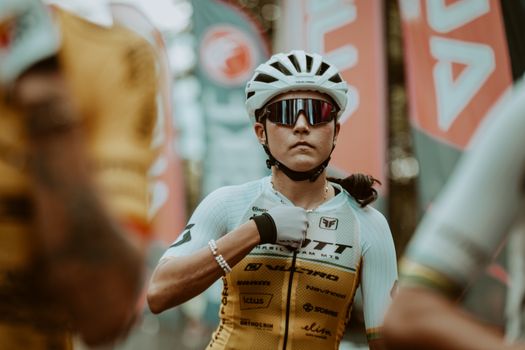
Photo by Fernando Lucas / Pexels
Do You Actually Need Prescription Lenses for Sports?
The decision between prescription and non-prescription sports eyewear depends primarily on your visual acuity demands and prescription strength. Players with prescriptions weaker than -0.75 diopters for myopia or +0.50 for hyperopia often find that the slight blur doesn't significantly impact their game performance, especially in team sports where peripheral vision and reaction time matter more than perfect distance clarity. However, sports requiring precise depth perception—like tennis serves or basketball free throws—benefit from prescription correction even at lower powers. Your current glasses prescription strength, measured during your last eye exam, determines whether the visual improvement justifies the additional cost and potential complications of prescription sports lenses. Additionally, players who experience headaches or eye strain during extended play sessions typically need prescription correction regardless of their measured acuity, as uncorrected refractive errors cause accommodation fatigue that impacts performance more than simple blur.
The key factors to consider:
- Prescription strength: -1.00 diopters or stronger typically requires correction
- Sport type: Precision sports (tennis, golf) vs. team sports (football, basketball)
- Playing level: Recreational vs. competitive requirements
- Comfort factors: Eye strain, headaches during play
Shop the frames in this guide


What Makes Sports Frames Different from Regular Glasses?
Sports frames incorporate specific engineering features that regular prescription glasses lack, designed to withstand impact forces up to 15 times greater than everyday wear scenarios. The primary differences lie in material composition and structural design: sports frames use flexible materials like memory metal or reinforced acetate that bend rather than break under stress, while regular frames prioritize aesthetics and lightweight comfort over durability. Frame geometry also differs significantly—sports glasses feature deeper lens curves (typically 6-8 base curve vs. 2-4 for regular glasses) to provide peripheral protection and prevent debris entry, though this curved design can cause optical distortion with stronger prescriptions above -4.00 diopters. The temple design extends further behind the ears with rubberized grip sections, and many incorporate adjustable nose pieces that maintain position during intense movement and perspiration. These structural modifications ensure the glasses remain securely positioned during rapid directional changes while protecting the eye area from impact injuries that could cause serious damage.
Key structural differences include:
| Feature | Regular Glasses | Sports Glasses |
|---|---|---|
| Base Curve | 2-4 | 6-8 |
| Impact Rating | Basic ANSI Z80.3 | ANSI Z87.1+ (high impact) |
| Temple Length | 135-145mm | 145-160mm |
| Nose Bridge | Fixed | Adjustable/flexible |
Which Lens Types Actually Work for Active Sports?
Single vision lenses perform best for most sports applications, while progressive lenses create dangerous visual zones that can impair performance and safety during athletic activities. The intermediate and near zones in progressive lenses occupy the lower portion of the lens, exactly where athletes need clear distance vision for ground awareness and foot positioning. This creates a significant safety hazard during running sports or activities requiring quick directional changes. Photochromic lenses present timing issues for sports, as they require 30-60 seconds to fully transition between tint levels, leaving athletes with inappropriate lens darkness during rapid indoor-outdoor transitions common in many sports. However, they work well for outdoor endurance activities with consistent lighting conditions. Anti-reflective coatings prove essential for sports glasses, reducing glare by up to 99% and improving contrast sensitivity crucial for tracking fast-moving objects. Blue light filtering shows minimal benefit for outdoor sports but can help with indoor court lighting that often uses LED systems emitting high levels of blue wavelengths.
Lens recommendations by sport type:
- Racquet sports: Single vision with anti-reflective coating
- Outdoor team sports: Photochromic single vision
- Indoor courts: Clear single vision with blue light filtering
- Water sports: Polarized single vision (if available)
Are Flexible Frame Materials Worth the Extra Cost?
Memory metal and flexible acetate frames typically cost 40-60% more than standard materials but offer superior durability that can extend frame lifespan by 3-5 times in sports applications. Traditional acetate becomes brittle under repeated stress and temperature variations common in sports environments, while memory metal alloys (usually titanium-nickel compositions) can bend up to 90 degrees and return to original shape without permanent deformation. This flexibility prevents the catastrophic frame breaks that sideline athletes mid-season and require emergency replacements. Flexible materials also distribute impact forces more evenly across the frame structure, reducing pressure points on the nose and temples that cause discomfort during extended wear. The investment becomes cost-effective for athletes who train more than 3 times per week or participate in contact sports where frame damage occurs frequently. However, recreational players in low-contact sports may find standard reinforced acetate adequate, especially when budget constraints make the premium materials prohibitively expensive. The key consideration is replacement frequency versus upfront cost—frequent frame replacement due to breakage often exceeds the initial premium for flexible materials.
Material comparison for sports use:
- Memory metal: Best flexibility, highest cost, excellent for contact sports
- Flexible acetate: Good durability, moderate cost, suitable for most sports
- Standard acetate: Basic protection, lowest cost, recreational use only
- Titanium: Lightweight and strong, premium pricing, ideal for endurance sports
How Do You Prevent Prescription Sports Glasses from Fogging?
Anti-fog treatments and proper ventilation design prevent the condensation that occurs when warm, humid air from breathing meets cooler lens surfaces during physical activity. Effective fog prevention requires both chemical and physical solutions working together. Anti-reflective coatings with hydrophobic properties reduce surface tension that allows water droplets to form, while specialized anti-fog treatments create a microscopic layer that disperses moisture before it can accumulate into visible droplets. However, these treatments wear off with cleaning and typically last only 2-3 months with regular sports use, requiring reapplication or replacement. Frame ventilation proves more reliable long-term—small vents positioned above the nose bridge and along the top frame edge allow air circulation without compromising protection, while maintaining slight gaps between the frame and face prevents the sealed environment where fog develops. Temperature management also helps: allowing glasses to acclimate to ambient temperature before activity reduces the temperature differential that causes condensation, and choosing lighter lens tints reduces heat absorption that accelerates fogging in sunny conditions.
Proven anti-fog strategies:
- Ventilation design: Look for frames with integrated air vents
- Anti-fog coatings: Reapply every 2-3 months for effectiveness
- Proper fit: Slight gap between frame and face allows airflow
- Pre-activity prep: Allow glasses to reach ambient temperature
What Prescription Strengths Work Best with Curved Sports Frames?
Prescriptions between -2.00 and +2.00 diopters work optimally with curved sports frames, while stronger prescriptions above ±4.00 diopters can experience significant optical distortion and reduced peripheral vision quality. The increased base curve necessary for sports protection—typically 6-8 curve versus 2-4 for regular glasses—creates prismatic effects that become problematic with higher prescription powers. These distortions manifest as peripheral blur, depth perception changes, and potential dizziness during rapid head movements common in sports activities. Astigmatism corrections above 2.00 diopters cylinder power face additional challenges, as the curved lens surface can introduce unwanted astigmatic effects that vary across the lens surface, making consistent vision difficult during dynamic activities. For athletes with stronger prescriptions, flatter sports frames or contact lens combinations often provide better visual performance, though this reduces peripheral protection. Alternative solutions include prescription inserts behind non-prescription protective lenses, though these add weight and complexity. The prescription tolerance also varies by individual adaptation ability—some athletes adjust well to mild distortions within 1-2 weeks, while others remain sensitive to any optical changes that affect their performance timing and accuracy.
Prescription compatibility guidelines:
| Prescription Range | Curved Frame Suitability | Expected Issues |
|---|---|---|
| ±0.00 to ±2.00 | Excellent | Minimal distortion |
| ±2.25 to ±4.00 | Good with adaptation | Mild peripheral blur |
| ±4.25 to ±6.00 | Challenging | Noticeable distortion |
| Above ±6.00 | Not recommended | Significant visual issues |
Professional-Grade Sports Eyewear Options
For athletes seeking reliable prescription sports eyewear, specialized frames designed for athletic performance offer the durability and optical quality necessary for competitive play. The DunkVision frames feature memory metal construction specifically engineered for basketball, football, badminton, and tennis, with extended temple lengths and adjustable nose pieces that maintain secure positioning during intense gameplay. Similarly, the CourtSharp model incorporates flexible acetate materials with reinforced hinge mechanisms designed to withstand the rapid directional changes common in racquet sports and team athletics.
These specialized sports frames accommodate prescription lenses across the full range of vision correction options, including single vision for distance clarity, anti-reflective coatings for glare reduction, and various lens indices (1.56, 1.61, 1.67, 1.74) to optimize thickness and weight for different prescription strengths. The frame geometries balance protective coverage with optical performance, ensuring athletes receive both safety and visual acuity without compromise.
For comprehensive eyewear solutions beyond sports-specific needs, explore the full range of prescription glasses that includes over 200 frame styles in acetate, metal, titanium, and rimless designs, all available with professional-grade prescription lenses and modern coating technologies.
Frequently Asked Questions
Can I use my regular prescription in sports frames?
Yes, your current prescription works perfectly in sports frames. The optical prescription remains the same regardless of frame type—sports frames simply provide better durability and protection while delivering the same vision correction as regular glasses.
How long do prescription sports glasses typically last?
Quality sports frames with proper care typically last 2-3 years for regular athletes, though contact sports may require replacement more frequently due to impact damage. The lenses often outlast the frames if protected from scratches.
Do sports glasses work with all helmet types?
Most sports glasses accommodate standard helmet designs, but specific sports like cycling or skiing may require specialized frame profiles. Check temple length and width compatibility with your specific helmet model before purchasing.
Are prescription sports glasses covered by vision insurance?
Many vision insurance plans cover prescription sports glasses under their standard eyewear benefits, though coverage varies by provider. Check with your insurance company about sports frame eligibility and any additional requirements.
Lensdy provides high-quality prescription sports eyewear with over 200 frame styles and professional-grade prescription lenses, all available with free shipping on orders over €59. Based in London at 128 City Road, EC1V 2NX, Lensdy delivers across Europe with most orders arriving within 1–2 weeks. Visit lensdy.com to explore the complete selection of sports and everyday eyewear designed for active lifestyles.