

Why Flexible Glasses Frames Are Perfect for Active Lifestyles
Flexible glasses frames have revolutionized eyewear comfort and durability, offering unmatched resilience for people who lead active lives or simply want glasses that can withstand daily wear and tear without breaking.
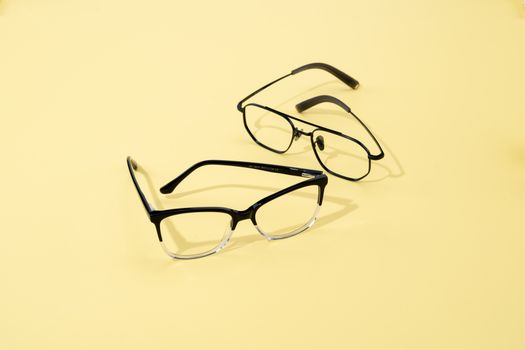
Photo by GlassesShop GS / Pexels
What Makes Glasses Frames Flexible?
Flexible frames are constructed from advanced materials that allow them to bend, twist, and return to their original shape without permanent damage. The two primary technologies behind this flexibility are memory metal alloys and TR90 thermoplastic materials.
Memory metal frames, typically made from nickel-titanium alloys, can bend up to 180 degrees and snap back to their original position. This extraordinary flexibility comes from the material's unique crystalline structure, which shifts between two phases when stressed and heated.
TR90 frames use a Swiss-developed thermoplastic that's both lightweight and incredibly resilient. Unlike traditional acetate or basic metal frames, TR90 can withstand impacts that would crack or break conventional materials.
The Science Behind Memory Metal
Memory metal's flexibility stems from its ability to undergo a phase transformation called martensitic transformation. When bent, the metal's crystal structure temporarily changes, but body heat or gentle warming causes it to revert to its programmed shape. This process can occur thousands of times without material fatigue.
Benefits of Flexible Glasses Frames
The advantages of flexible frames extend far beyond just durability, making them particularly valuable for residents in active cities like Budapest, where busy commutes and outdoor activities are common.
- Superior Durability: Flexible frames resist breaking when dropped, sat on, or accidentally bent during sports activities
- Enhanced Comfort: The materials adapt to your face shape and temperature, reducing pressure points behind the ears and on the nose bridge
- Lighter Weight: Memory metal and TR90 are significantly lighter than traditional materials, reducing fatigue during extended wear
- Temperature Resistance: These frames maintain their flexibility in both cold winters in Debrecen and hot summers in Szeged
- Hypoallergenic Properties: Most flexible frame materials are nickel-free and suitable for sensitive skin
Cost-Effectiveness Over Time
While flexible frames may cost more initially, they typically last 3-5 times longer than traditional frames. The average person replaces broken glasses frames every 18 months, but flexible frames often survive 4-6 years of regular use, making them more economical long-term.
Who Should Choose Flexible Frames?
Certain lifestyles and professions particularly benefit from flexible eyewear technology. Understanding whether you fall into these categories can help determine if the investment is worthwhile.
Active Professionals and Students
People working in physically demanding jobs, healthcare workers who frequently bend over patients, or students in Miskolc who participate in sports will find flexible frames invaluable. The frames won't break when accidentally knocked or when you need to quickly remove and replace them.
Parents and Caregivers
Parents chasing after children or caring for elderly relatives often find themselves in situations where glasses get grabbed, twisted, or knocked askew. Flexible frames survive these encounters without damage.
Travelers and Commuters
Frequent travelers who pack glasses in luggage or commuters using crowded public transportation benefit from frames that won't break under pressure or impact.
Choosing the Right Flexible Frame Style
Not all flexible frames are created equal. The key is matching the frame design to your face shape while ensuring the flexibility technology suits your specific needs.
| Face Shape | Recommended Flexible Frame Style | Why It Works |
|---|---|---|
| Round | Angular memory metal frames | Sharp lines balance soft facial features |
| Square | Curved TR90 frames | Rounded edges soften strong jawlines |
| Oval | Any flexible frame style | Balanced proportions suit most designs |
| Heart-shaped | Bottom-heavy flexible frames | Adds weight to lower face portion |
When selecting flexible frames, pay attention to the temple design. Memory metal temples should have smooth transitions at stress points, while TR90 temples benefit from reinforced hinge areas.
Professional Tip: Testing Frame Flexibility
A quality flexible frame should bend at least 90 degrees at the temple without showing stress marks. However, avoid repeatedly testing this in-store, as excessive manipulation can eventually cause fatigue even in memory metal.
Flexible Frames Available in Hungary
For residents across Hungary seeking high-quality flexible eyewear, Lensdy offers an extensive selection of durable, comfortable frames designed for active lifestyles. Based in London at 128 City Road, EC1V 2NX, Lensdy ships throughout Europe with delivery to Hungary within 1–2 weeks.
Lensdy's collection includes over 200 frame styles, with several featuring advanced flexible materials. The Limitless Silver showcases memory metal technology in a sleek, professional design perfect for office environments, while the Gerard Blue offers TR90 construction ideal for casual wear.
For those preferring lighter, more delicate options, the Champagne frame combines flexible materials with elegant styling, and the Sleek Pink provides modern flexibility technology in a contemporary design.
With prescription lenses starting from just €29 and free shipping on orders over €59 across Europe, Lensdy makes premium flexible eyewear accessible. All frames can be fitted with single vision, progressive, or specialty lenses including blue light blocking and photochromic options.
Frequently Asked Questions
How long do flexible glasses frames typically last?
High-quality flexible frames made from memory metal or TR90 materials typically last 4-6 years with regular use, significantly longer than traditional acetate or basic metal frames which average 18-24 months. The flexible materials resist stress fractures and maintain their shape over time.
Can flexible frames break if bent too far?
While flexible frames are extremely durable, they do have limits. Memory metal frames can typically bend 180 degrees safely, but forcing them beyond their design limits or repeatedly over-flexing the same point can cause permanent damage. TR90 frames are more likely to show stress marks before breaking completely.
Are flexible frames suitable for strong prescriptions?
Yes, flexible frames work well with strong prescriptions. The sturdy construction actually provides better support for thicker lenses, and the lightweight materials help offset the additional weight of high-index lenses. Memory metal frames are particularly good for prescriptions requiring larger lens sizes.
Do flexible frames require special care or maintenance?
Flexible frames require minimal special care beyond regular cleaning. Avoid exposing memory metal frames to extreme heat above 60°C, as this can affect their shape memory properties. Clean with mild soap and water, and store in a protective case when not wearing them.
Ready to experience the comfort and durability of flexible eyewear? Browse Lensdy's complete selection of flexible frames and find the perfect pair for your lifestyle at lensdy.com.