

What Swiss Opticians Don't Tell You About Affordable Glasses
Quick answer
Swiss opticians charge CHF 500-800 for prescription glasses that cost under CHF 50 to manufacture, not due to superior quality but because of distribution markups and information asymmetry. Most prescription lenses sold in Switzerland come from the same three manufacturers (Essilor, ZEISS, HOYA) regardless of price, with traditional opticians adding 30-50% markup through multiple intermediary distributors while online retailers source directly.
For prescriptions under ±3.00 diopters, expensive lens upgrades provide negligible optical benefits, yet Swiss shops emphasize premium coatings with profit margins exceeding 400%. Premium materials like titanium frames cost €15-25 wholesale, while high-quality Mazzucchelli acetate costs under €8 per piece to manufacturers. Progressive lenses presented as requiring extensive customization actually involve inputting three measurements into standardized software—a 5-minute process. A Varilux Comfort lens costs identical amounts to produce whether sold in Zurich for CHF 900 or online for €180, with the price difference purely from distribution markup rather than manufacturing differences.
Swiss eyewear shops routinely charge CHF 500-800 for prescription glasses that cost under CHF 50 to manufacture. This dramatic markup isn't driven by superior quality—it's sustained by information asymmetry. Understanding what opticians omit about affordable prescription glasses can save you hundreds of Swiss francs annually.
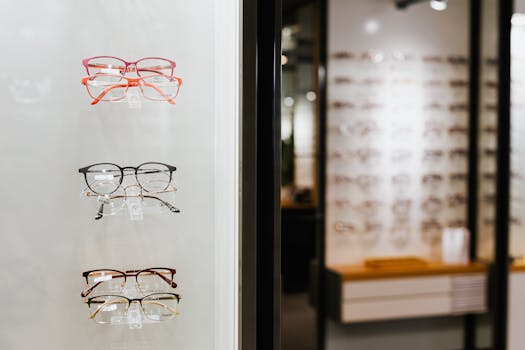
Photo by www.kaboompics.com / Pexels
The Manufacturing Reality Behind Swiss Markup
Most prescription lenses sold in Switzerland originate from the same three global manufacturers: Essilor, ZEISS, and HOYA. Whether you pay CHF 80 or CHF 400 for single vision lenses, they're often produced in identical facilities using identical materials.
The key difference lies in distribution chains. Traditional Swiss opticians purchase through 4-5 intermediary distributors, each adding 30-50% markup. Online retailers like Lensdy eliminate these middlemen, sourcing directly from lens manufacturers.
Lens Quality Indicators Swiss Shops Won't Explain
| Quality Factor | Budget Lenses | Premium Lenses | Real Difference |
|---|---|---|---|
| Base Material | CR-39 plastic | High-index 1.67 | Thickness only |
| Anti-reflective coating | 3-layer | 9-layer | Minimal visual impact |
| UV protection | 99% UV-A/B | 99% UV-A/B | Identical protection |
| Scratch resistance | Standard hardcoat | Premium hardcoat | Marginal improvement |
The uncomfortable truth: for prescriptions under ±3.00 diopters, expensive lens upgrades provide negligible optical benefits. Swiss opticians emphasize premium coatings because profit margins exceed 400% on these add-ons.
Shop the frames in this guide


Frame Material Myths Costing Swiss Customers
Myth 1: Titanium frames justify CHF 400+ prices.
Reality: Titanium frames from legitimate manufacturers cost €15-25 wholesale. The Clark titanium frame demonstrates how eliminating retail markup makes premium materials accessible.
Myth 2: Acetate quality correlates with price.
Reality: High-quality acetate like Mazzucchelli costs frame manufacturers under €8 per piece. Swiss shops selling "Italian acetate" frames for CHF 300+ are exploiting material origin marketing.
Myth 3: Flexible frames prevent breakage.
Reality: Memory metal frames reduce hinge stress but create new failure points at temple joints. The Quartz flexible frame costs under €40 including prescription lenses—proving durability doesn't require premium pricing.
Progressive Lens Pricing: The Swiss Premium Trap
Swiss opticians present progressive lenses as requiring extensive "customization" to justify CHF 800-1200 prices. This customization consists of inputting three measurements into standardized software—a 5-minute process.
Progressive lens manufacturing involves identical digital surfacing equipment worldwide. A Varilux Comfort lens costs the same to produce whether sold in Zurich for CHF 900 or online for €180. The only difference is distribution markup.
Hidden Progressive Lens Grades
Lens manufacturers produce multiple progressive designs at different price points, but Swiss retailers rarely explain these distinctions:
- Economy progressives: 12mm corridor width, suitable for 70% of users
- Standard progressives: 14mm corridor, minimal distortion improvement
- Premium progressives: 16mm+ corridor, benefits only noticeable for complex prescriptions
Swiss opticians default to premium recommendations because profit margins reach 600% on high-end progressives.
The Coating Upsell Strategy
Anti-reflective coatings represent Swiss opticians' highest-margin upsell. Standard AR coatings eliminate 95% of surface reflections—functionally identical to premium versions eliminating 98%.
Blue light blocking coatings, heavily promoted since 2020, provide questionable benefits. Peer-reviewed research shows minimal eye strain reduction from blue light filters. Yet Swiss shops charge CHF 150+ for coatings costing under CHF 10 to apply.
Photochromic lenses demonstrate similar markup patterns. Transitions lenses cost €25-35 wholesale but retail for CHF 200-300 in Switzerland. The Eclipse photochromic sunglasses prove premium lens technologies remain accessible without traditional retail markup.
Quality Control: What Actually Matters
Swiss opticians emphasize "precision fitting" to justify service premiums, but frame adjustments follow standardized procedures. Critical quality factors include:
- Pupillary distance accuracy: ±1mm tolerance (achievable with smartphone apps)
- Lens centration: Automated edging equipment ensures consistent results
- Frame alignment: Heat-adjustable materials allow infinite corrections
- Prescription verification: Digital lensometry confirms accuracy regardless of purchase location
These procedures require basic technical training, not advanced optometry degrees. Online retailers maintain identical quality standards while eliminating geographical markup.
The Swiss Solution: Informed Purchasing
Understanding markup structures empowers informed decisions about affordable prescription glasses. Swiss customers can access identical lens quality through direct-to-consumer channels, eliminating distributor markup without compromising optical performance.
Lensdy operates from London (128 City Road, EC1V 2NX) but serves Swiss customers with the same premium lens options available domestically. Our prescription glasses from €29 utilize identical manufacturing processes as CHF 400+ Swiss alternatives.
With over 200 frame styles and prescription lenses starting from €29, Lensdy demonstrates how eliminating traditional retail markup makes quality eyewear accessible. free shipping on orders over €59 to Switzerland ensures 5-10 business day delivery—faster than many Swiss optical chains' lab turnaround times.
The choice isn't between quality and affordability—it's between informed purchasing and paying inflated margins. Swiss opticians won't volunteer this information, but now you know the real costs behind prescription eyewear. Browse our collection at lensdy.com and discover what affordable prescription glasses actually look like.