

What Nobody Tells You About Trending Glasses Styles
The Fashion Industry's Biggest Eyewear Secret
Every year, fashion magazines and eyewear brands bombard you with "must-have" trending glasses styles. But here's what they won't tell you: most trendy frames are designed to photograph well on models, not to function optimally on real faces in real situations.
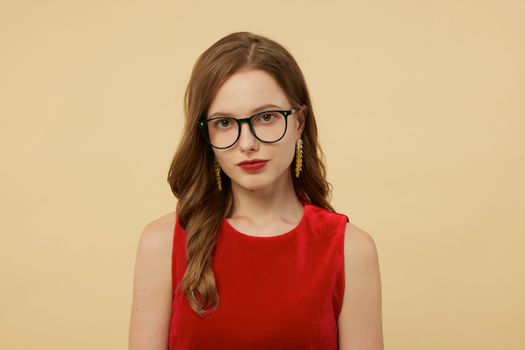
Photo by GlassesShop GS / Pexels
After fitting thousands of frames across diverse face shapes and lifestyles, the patterns become clear. The most successful eyewear choices aren't always the ones dominating Instagram feeds. Let's uncover the truths the industry keeps quiet about trending glasses styles.
Why "Trending" Doesn't Always Mean "Right for You"
The eyewear industry operates on 18-month design cycles, pushing new trends before you've even adapted to current ones. This creates a disconnect between what's marketed as trendy and what actually works for daily wear.
The Fit Reality Check
Here's the uncomfortable truth: approximately 60% of trending frame styles only suit specific face geometries. Take the current oversized acetate trend – while visually striking, frames over 140mm wide create pressure points on temples narrower than 135mm. Yet this sizing limitation is rarely mentioned in trend articles.
Similarly, the ultra-thin metal frames trending in 2026 look elegant but offer minimal surface area for weight distribution. Anyone with a prescription stronger than -3.00 or +2.50 will experience constant sliding and indentations.
The Lens Compatibility Issue
Fashion-forward frame shapes often conflict with lens technology requirements. Progressive lenses need minimum vertical height of 28mm for proper vision zones, yet many trending rectangular frames measure only 24-26mm. The result? Compromised vision correction that no amount of style can justify.
Photochromic lenses, increasingly popular for their convenience, require adequate lens thickness to house the light-reactive molecules. Ultra-thin trending frames limit lens material options, forcing compromises in functionality.
The Hidden Psychology Behind Trend Cycles
Eyewear trends aren't random – they're carefully orchestrated psychological responses to social shifts. Understanding these patterns helps you make smarter frame choices.
The Pendulum Effect
Frame trends swing predictably between extremes every 3-4 years:
- Size cycles: Oversized dominance (2023-2024) → Minimalist backlash (2025-2026) → Balanced proportions (2027-2028)
- Material cycles: Heavy acetate → Ultra-light titanium → Memory metal flexibility
- Color cycles: Bold statements → Neutral classics → Subtle accent details
Smart buyers recognize these patterns and choose frames positioned at cycle peaks rather than extremes, ensuring longer style relevance.
The Celebrity Influence Trap
Celebrity eyewear endorsements create artificial demand spikes for specific styles. However, celebrity frames are typically custom-fitted with professional adjustments unavailable to consumers. The Eric frame exemplifies this principle – its proportions work across various face shapes without requiring celebrity-level customization.
Material Trends vs. Material Performance
The gap between trending materials and practical performance is wider than most realize.
Acetate: The Instagram Darling
Acetate frames dominate social media because they photograph beautifully with rich colors and patterns. But acetate's weight distribution creates specific challenges:
| Acetate Weight | Comfortable Wear Duration | Nose Pad Requirement |
|---|---|---|
| Under 20g | 8+ hours | Optional |
| 20-25g | 6-8 hours | Recommended |
| Over 25g | Under 6 hours | Essential |
Many trending acetate styles exceed 25g, yet brands rarely discuss comfort limitations. The Toffee Brown acetate frame addresses this by incorporating strategic thickness variation, maintaining visual impact while staying under 22g.
Titanium: The Overrated Wonder Material
Titanium frames get praised for being "ultra-lightweight," but pure titanium is actually difficult to adjust and repair. Beta-titanium alloys offer better flexibility, while memory metal provides superior durability for active lifestyles.
The trending "Japanese titanium" marketing often refers to standard titanium alloy with premium pricing rather than genuinely superior materials.
The Prescription Strength Reality
Here's what trendy eyewear articles never mention: your prescription strength should heavily influence frame choice, regardless of current trends.
High Prescription Considerations
Prescriptions over ±4.00 diopters require specific frame characteristics:
- Smaller lens diameter: Reduces edge thickness and weight
- Centered pupil distance: Minimizes prismatic effects
- Adequate bridge support: Handles increased lens weight
Many trending oversized frames violate these principles, creating thick, heavy lenses that compromise both appearance and comfort. The Julian Silver frame demonstrates how contemporary styling can accommodate stronger prescriptions through intelligent proportioning.
Progressive Lens Integration
Progressive lenses require minimum 28mm vertical height and specific fitting measurements. Yet trending rectangular frames often measure 24-26mm, forcing compromised lens designs with reduced intermediate zones.
Successful progressive integration also requires proper pantoscopic tilt (8-12 degrees) and vertex distance (12-14mm), factors rarely considered in fashion-focused frame selection.
The Durability vs. Trend Longevity Equation
Trending styles often prioritize visual impact over structural integrity. Understanding this trade-off prevents costly mistakes.
Weak Points in Trendy Designs
Common failure points in fashionable frames include:
- Thin temple arms: Prone to snapping under stress
- Decorative hinges: Often weaker than standard barrel hinges
- Minimal nose bridges: Concentrate stress in small areas
- Oversized lenses: Create leverage that loosens screws
The Vertex frame incorporates reinforced stress points while maintaining contemporary aesthetics, demonstrating how durability and style can coexist.
Investment-Grade Trend Choices
Smart trend adoption focuses on elements with staying power:
- Proportional balance: Neither extremely large nor tiny
- Classic color foundations: Black, tortoiseshell, navy, with accent details
- Quality construction: Reinforced hinges and adjustable components
- Versatile materials: Acetate-metal combinations offering flexibility
The Professional Fitting Secret
Even the most perfectly trendy frame fails without proper fitting – a reality most online trend guides completely ignore.
Critical Measurements
Professional fitting involves 12 specific measurements, not just the basic three printed on frame temples. Key measurements include:
- Pupillary distance: Within 1mm accuracy for each eye
- Segment height: Critical for progressive and bifocal lenses
- Pantoscopic tilt: Affects peripheral vision quality
- Wrap angle: Influences optical center alignment
These measurements remain constant regardless of trending styles, making them more important than fashion considerations for functional success.
Seasonal Trends vs. Year-Round Practicality
Eyewear marketing pushes seasonal trends like fashion accessories, but glasses are year-round investments requiring different considerations.
The Multi-Pair Strategy
Instead of chasing single trending styles, consider a practical multi-pair approach:
- Primary pair: Conservative, versatile, professionally appropriate
- Casual pair: Trend-forward, weekend-appropriate
- Specialty pair: Sports, computer work, or specific activities
This approach allows trend experimentation without compromising daily functionality. Designer frames can satisfy trend desires while maintaining practical backup options.
The True Cost of Trend-Chasing
Beyond the obvious financial implications, trend-chasing creates hidden costs:
Adjustment Frequency
Trendy frames often require more frequent adjustments due to:
- Unconventional weight distribution
- Decorative elements that shift over time
- Materials that don't hold adjustments well
Replacement Timeline
Fashion-forward frames typically need replacement every 18-24 months as trends shift, while classic designs remain appropriate for 4-5 years.
Smart Trend Adoption Strategies
Navigate trending glasses styles intelligently with these professional insights:
The 70/30 Rule
Choose frames that are 70% classic proportions and 30% contemporary details. This ensures longevity while acknowledging current aesthetics.
Quality Indicators
Regardless of trend status, prioritize:
- Spring hinges: Accommodate face movement
- Adjustable nose pads: Enable custom fitting
- Reinforced stress points: Prevent common failures
- Quality lens options: Support your prescription needs
Making Informed Decisions
When evaluating trending glasses styles, ask these questions the fashion industry hopes you won't:
- Will this frame accommodate my prescription strength effectively?
- Can I wear this comfortably for my typical daily duration?
- Will this style remain appropriate in my professional environment?
- Are the trending elements integrated into quality construction?
- Does this frame offer adjustment options for changing needs?
Why Choose Lensdy for Trend-Smart Eyewear
At Lensdy, we understand the balance between staying current and making practical choices. Based in London at 128 City Road, EC1V 2NX, we curate over 200 frame styles that combine contemporary aesthetics with proven functionality.
Our prescription lenses start from £29, incorporating the latest optical technology without premium markups. Every frame undergoes durability testing to ensure trend-forward styles maintain professional construction standards.
We offer free standard shipping because we believe accessing quality eyewear shouldn't involve hidden costs. Our team includes qualified opticians who understand both current trends and timeless optical principles.
Frames mentioned in this article


Frequently Asked Questions
How often should I update my glasses to stay current with trends?
Quality frames with classic proportions and contemporary details remain stylish for 3-4 years. Rather than full replacement, consider updating lens technology or adding a second pair for trend experimentation.
Do trending frame materials actually perform better?
Not necessarily. Trending materials often prioritize aesthetics over performance. Beta-titanium and memory metal alloys offer superior durability compared to pure titanium, while quality acetate outperforms cheaper plastic alternatives regardless of trend status.
Can I make trending oversized frames work with a strong prescription?
Strong prescriptions (over ±4.00) perform better in moderate-sized frames. If you prefer larger styles, choose frames with smaller lens areas, higher refractive index materials (1.67 or 1.74), and professional fitting optimization.
Are expensive trending frames always better quality?
Price doesn't guarantee quality or suitability. Many premium trending frames prioritize brand prestige over construction quality. Focus on adjustability features, material specifications, and warranty coverage rather than price alone.
Ready to find frames that balance trending style with practical performance? Browse our carefully curated collection at lensdy.com and discover eyewear that works as well as it looks.