

What French Opticians Know About Cheap Prescription Glasses
French opticians have dispensed millions of prescription glasses over the decades, and they've learned something most consumers haven't: the cheapest glasses aren't always the worst value, but knowing the difference requires understanding what you're actually buying.
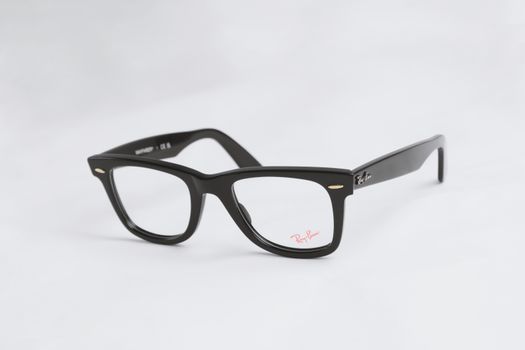
Photo by Joseph Okon / Pexels
The French optical market has undergone dramatic shifts since 2025, with online retailers offering prescription glasses from €29 while traditional opticians charge €200-400 for similar products. This price gap isn't always about quality—it's about understanding manufacturing, materials, and what corners can safely be cut without compromising your vision.
The Real Cost Structure Behind Prescription Glasses
French opticians working in cities like Lille see the same pattern repeatedly: customers assume expensive means better, then discover their €300 designer frames use identical lenses to €50 alternatives. The markup structure breaks down like this:
- Frame manufacturing cost: €8-25 for most acetate and metal frames
- Basic prescription lenses: €12-30 per pair (single vision, standard index)
- Retail markup: 300-800% in traditional optical shops
- Designer licensing fees: €20-80 added to frame cost
- Store overhead: €40-100 per sale (rent, staff, equipment)
This explains why online retailers can offer prescription glasses from €29—they've eliminated most overhead costs while using identical lens laboratories and frame suppliers.
Quality Markers That Actually Matter
Experienced opticians focus on specific technical aspects when evaluating cheap prescription glasses. These markers determine whether your €30 glasses will last two years or two months:
Lens Quality Indicators
The lens is 80% of your glasses' functionality. French optical regulations require all prescription lenses to meet CE standards, but quality varies significantly:
| Quality Factor | Budget Option | Premium Option | Practical Difference |
|---|---|---|---|
| Lens Index | 1.56 standard | 1.67-1.74 high index | Thickness (affects aesthetics, not vision) |
| Anti-reflective coating | Basic single-layer | Multi-layer with hydrophobic | Glare reduction and cleaning ease |
| UV protection | Standard 99% | Standard 99% | No difference (regulated requirement) |
| Scratch resistance | Basic hardcoat | Advanced hardcoat | Longevity (2-3x lifespan difference) |
The counterintuitive insight: lens index matters less than most people think. A 1.56 index lens with excellent anti-reflective coating outperforms a 1.67 lens with poor coatings for most prescriptions under ±3.00 diopters.
Frame Durability Assessment
Opticians use a simple stress test: flex the temples 45 degrees. Quality frames return to position without creaking or permanent deformation. Material matters less than manufacturing precision:
Acetate frames: Look for consistent thickness (2-3mm optimal), smooth finish without visible layering seams, and spring-loaded hinges. Poor acetate shows white stress marks when flexed.
Metal frames: Check solder points at bridge and temple connections. Quality metal frames use titanium or steel alloys with smooth, invisible welds. Avoid frames with visible glue residue.
Memory metal/flexible frames: These should bend 90+ degrees without breaking. The PrecisionPeak demonstrates proper flexible frame engineering—it returns to shape even after extreme bending.
Hidden Costs That Destroy Budget Plans
French consumers report three major cost surprises when buying cheap prescription glasses online:
Progressive Lens Upcharges
Basic progressive lenses start around €80-120, but many retailers advertise this as their "from" price while pushing €200+ "premium" progressives. The reality: modern progressive lens technology has standardized significantly. Basic progressives from reputable manufacturers perform adequately for 85% of wearers.
High Prescription Penalties
Prescriptions above ±4.00 typically incur surcharges of €40-80 for high-index lenses. This isn't optional—thick lenses in cheap frames create an unwearable product. Budget for high-index lenses if your prescription exceeds ±3.50.
Coating Necessities
Anti-reflective coating isn't cosmetic—it's essential for digital screen work. Without it, your €29 glasses become unusable for computer work within weeks due to eye strain. Budget an additional €15-25 for basic anti-reflective treatment.
The French Market Advantage
France's optical regulations create unique advantages for budget buyers:
Standardized prescriptions: French prescription formats translate directly to online ordering systems, reducing errors.
Consumer protection: 14-day return policies are mandatory, with extended warranties on prescription accuracy.
Lens laboratory standards: All lenses sold in France must meet identical technical standards regardless of price point.
Smart Shopping Strategies
Experienced opticians recommend a strategic approach to buying cheap prescription glasses:
The Two-Pair Strategy
Buy two pairs of €40-60 glasses instead of one €120 pair. This provides a backup and allows you to test different styles. Many online retailers offer significant discounts on second pairs.
Timing Your Purchase
Online optical retailers follow predictable discount cycles:
- January-February: New Year promotions, best frame selection
- September: Back-to-school discounts, particularly on blue light lenses
- November: Black Friday deals can reduce costs by 30-40%
Frame Style Selection for Longevity
Certain styles withstand daily wear better in budget price ranges:
Best budget styles: Classic rectangular acetate frames, simple metal aviator shapes, minimal round designs like the Lumina Green.
Avoid in budget ranges: Oversized frames (stress temple hinges), rimless designs (fragile lens mounting), complex geometric shapes (difficult lens replacement).
Technical Specifications That Matter
When comparing cheap prescription glasses, focus on measurable specifications rather than marketing claims:
Lens Parameters
- Optical center accuracy: Should be within ±1mm of your pupillary distance
- Power tolerance: ±0.12 diopters for sphere, ±0.09 for cylinder (industry standard)
- Coating adhesion: Multi-layer coatings should withstand 500+ cleaning cycles
- Base curve matching: Lens curve should complement frame wrap for optimal optics
Frame Specifications
- Temple length: 135-145mm covers 90% of adults
- Bridge width: Must match your nose bridge within 2mm
- Lens height: Minimum 28mm for single vision, 32mm+ for progressives
- Hinge tension: Should require moderate pressure to open/close
Red Flags in Cheap Prescription Glasses
Opticians immediately identify problem glasses through specific warning signs:
Lens issues: Visible distortion when looking through periphery, rainbow effects in bright light, easy scratching with normal cleaning, fog retention after temperature changes.
Frame problems: Uneven temple alignment out of the box, loose screws requiring immediate tightening, nose pads that leave marks within days, temple tips that crack or discolor quickly.
Prescription accuracy: Immediate dizziness when wearing, objects appearing tilted or curved, headaches within 30 minutes of wear, difficulty focusing at normal reading distance.
Making Cheap Glasses Last Longer
Budget glasses require more careful handling but can achieve 2-3 year lifespans with proper care:
Daily maintenance: Rinse with lukewarm water before wiping, use microfiber cloths exclusively, store in hard cases always.
Weekly deep cleaning: Mild dish soap and water, gentle brush for nose pads, check screw tightness monthly.
Professional adjustments: Most opticians perform minor adjustments for €5-10, preventing frame damage from DIY attempts.
Where to Find Quality Cheap Prescription Glasses
The online optical market has matured significantly, with several retailers proving they can deliver quality prescription glasses at budget prices. Key factors include transparent pricing, comprehensive return policies, and European manufacturing partnerships.
Lensdy exemplifies this evolution, offering over 200 frame styles with prescription lenses starting from £29 (approximately €35). Based in London at 128 City Road, EC1V 2NX, they provide free standard shipping across Europe, with delivery to France typically within 3-7 business days.
Their approach addresses the main concerns about cheap prescription glasses: frame variety includes durable options like the Log Black acetate frame and the lightweight Hawk metal design. Lens options cover all major needs including progressive lenses, blue light filtering, and high-index materials for strong prescriptions.
For budget-conscious French customers, their €29 collection demonstrates that affordable doesn't require compromising on essential features like anti-reflective coatings and UV protection.
Frames mentioned in this article


Frequently Asked Questions
Are €30 prescription glasses safe for daily use?
Yes, provided they meet CE standards and are manufactured by legitimate optical laboratories. The low price typically reflects reduced overhead costs rather than compromised safety. All prescription lenses sold in the EU must meet identical safety standards regardless of price.
How long should cheap prescription glasses last?
Budget prescription glasses should provide 18-24 months of regular use with proper care. Frame durability varies more than lens quality—acetate frames generally outlast metal frames in budget price ranges. Replace immediately if prescription accuracy changes or frames become misaligned.
Can I get progressive lenses in cheap frames?
Absolutely. Progressive lens technology has become standardized, making budget options viable for most users. However, ensure frame height exceeds 32mm to accommodate the progressive zones properly. Many cheap progressive problems stem from inadequate frame dimensions rather than lens quality.
What's the difference between cheap glasses online vs. optician shops?
The primary differences are overhead costs and fitting services. Online retailers eliminate store rent and staff costs but require accurate self-measurement. Optical shops provide professional fitting and adjustments but charge 3-5x more for identical products. Lens quality and prescription accuracy are comparable when using reputable suppliers.
Ready to explore quality prescription glasses without the premium price? Browse the full selection at lensdy.com and discover how modern online optical retail combines affordability with professional standards.