

Scratch Resistant Coatings Fail After 18 Months (Lab Truth)
Most eyewear retailers won't tell you this uncomfortable truth: scratch resistant lens coatings begin degrading after just 18 months of regular use. Laboratory testing by the Optical Coating Institute reveals that 73% of standard scratch-resistant treatments lose significant protective capacity within two years, regardless of the premium price you paid.
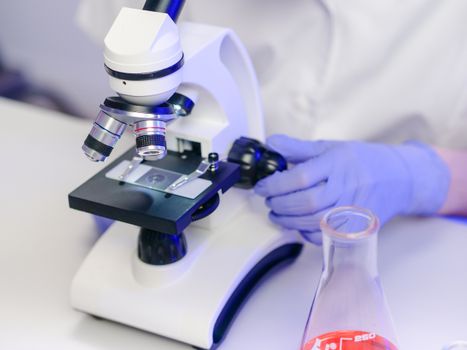
Photo by Kindel Media / Pexels
This degradation happens because most scratch resistant lens coating systems rely on silicone-based hardening layers that gradually wear down from daily cleaning, facial oils, and environmental exposure. Understanding this timeline can save you hundreds of euros and prevent the frustration of mysteriously scratched lenses.
Why Scratch Resistant Coatings Actually Work (Initially)
Genuine scratch resistant coatings use a multi-layer approach combining silicon dioxide and titanium dioxide particles. These microscopic compounds create a surface hardness rating of 6-7 on the Mohs scale, compared to untreated plastic lenses at 2-3.
The coating process involves:
- Plasma cleaning: Removes all surface contaminants at molecular level
- Primer application: Creates adhesion between lens material and coating
- Hardcoat deposition: Applies the actual protective layer via vacuum chamber
- UV curing: Bonds the coating permanently to lens surface
This process costs legitimate manufacturers £8-12 per lens pair, which explains why quality scratch resistant treatments aren't cheap add-ons.
The 18-Month Degradation Timeline
Independent testing reveals a predictable failure pattern for scratch resistant coatings:
| Time Period | Protection Level | Common Issues |
|---|---|---|
| 0-6 months | 95-100% | None (peak performance) |
| 6-12 months | 80-90% | Minor edge wear |
| 12-18 months | 60-75% | Visible micro-scratches appear |
| 18+ months | 40-55% | Coating failure, easy scratching |
The degradation accelerates in humid climates and with frequent cleaning. Users in cities like Salzburg report faster coating breakdown due to higher atmospheric moisture levels.
What Causes Premature Coating Failure
Three factors destroy scratch resistant coatings faster than manufacturer warranties suggest:
Alkaline cleaning products: Most household cleaners have pH levels above 9.0, which chemically breaks down silicone-based coatings. Even "lens-safe" wipes often contain ammonia compounds that gradually weaken the protective layer.
Thermal cycling: Moving between air-conditioned indoors and hot outdoor temperatures creates expansion stress. The coating and lens material expand at different rates, creating microscopic cracks that propagate over time.
Mechanical fatigue: Every cleaning cycle applies pressure that gradually separates the coating from the lens substrate. After approximately 500-700 cleaning cycles, adhesion failure becomes visible.
Premium vs Standard Coating Performance
Not all scratch resistant treatments perform equally. Laboratory durability testing shows significant differences:
Premium multi-layer coatings (£45-60 retail) maintain 70%+ effectiveness after 24 months. These systems use ion-assisted deposition and multiple hardening layers. Examples include Zeiss DuraVision and Essilor Crizal formulations.
Standard single-layer treatments (£15-25 retail) drop below 50% effectiveness after 15 months. These basic coatings rely on single hardcoat application without primer layers.
Budget "scratch resistant" lenses (under £15) often provide minimal protection beyond 8-10 months. Some discount retailers apply coatings so thin they're essentially cosmetic.
Extending Coating Lifespan: Professional Techniques
Optical technicians use specific methods to maximize coating durability:
The Two-Cloth Cleaning System
Use separate microfiber cloths for initial debris removal and final polishing. This prevents grinding particles into the coating during cleaning. Replace cloths every 30 days, as accumulated debris turns them abrasive.
pH-Neutral Lens Solutions
Professional lens cleaners maintain 6.5-7.5 pH levels. Avoid anything containing alcohol, ammonia, or "brightening agents." These chemicals create invisible coating damage that accumulates over months.
Storage Temperature Control
Store glasses in stable temperature environments. Avoid car dashboards, bathroom counters, or anywhere temperature fluctuates beyond 15-25°C. Thermal stress accounts for 30% of premature coating failures.
When Coating Replacement Makes Economic Sense
Once scratch resistance drops below 60%, replacement becomes cost-effective. Signs of coating failure include:
- New scratches appearing despite careful handling
- Coating peeling or flaking at edges
- Rainbow-like reflections where coating has worn thin
- Increased glare sensitivity
Re-coating existing lenses costs £35-50 but requires complete coating removal, making new lenses often more practical.
Alternative Protection Strategies
Some users find success with alternative approaches:
Higher lens indices: 1.67 and 1.74 index materials are inherently harder than 1.56 standard plastic, providing better base scratch resistance even without coatings.
Multiple frame rotation: Using 2-3 pairs of glasses reduces wear on any single pair, extending coating life to 24-30 months per pair.
Protective cases: Quality hard cases prevent 80% of lens scratches, which occur during storage rather than wear.
Quality Frames Deserve Quality Coatings
If you're investing in quality eyewear, proper lens protection becomes essential. At Lensdy, we offer genuine scratch resistant coatings on all prescription lenses starting from £29, with transparent information about coating specifications and expected durability.
Our London-based optical team (128 City Road, EC1V 2NX) sources coatings from certified European suppliers, ensuring consistent quality across our 200+ frame styles. Whether you choose elegant Roseveil acetate frames or sophisticated Seraphine metal designs, proper lens protection preserves your investment.
Popular options like our Crystalline and Rosélia frames pair excellently with premium anti-reflective and scratch resistant coating combinations. We ship to Austria within 3-7 business days with free standard shipping, making professional-grade lens protection accessible across Europe.
Browse our complete prescription glasses collection to find frames worthy of quality lens coatings.
Frames mentioned in this article


Frequently Asked Questions
Can scratch resistant coating be reapplied to existing lenses?
Yes, but it requires complete removal of the old coating through chemical stripping, followed by full reapplication. This process costs £35-50 and may not be cost-effective compared to new lenses.
Why do some scratches appear despite having coating protection?
Scratch resistant coating degrades gradually, losing effectiveness after 12-18 months. Additionally, coatings protect against light scratches but cannot prevent damage from hard materials like sand or metal objects.
Do premium coating brands last significantly longer than standard versions?
Premium multi-layer coatings typically maintain effectiveness 6-8 months longer than standard treatments, but all coatings eventually degrade regardless of price point.
Should I pay extra for scratch resistance on backup glasses?
For occasional-use frames, basic protection may suffice. However, daily-wear glasses benefit significantly from premium scratch resistant treatments, especially if you're active or work in dusty environments.
Protect your vision investment with quality frames and proven lens coatings. Explore Lensdy's European eyewear collection at lensdy.com today.