

Polarised vs Non-Polarised Lenses: Complete Guide
Quick answer
Polarised lenses contain a special vertical filter that blocks horizontally oriented light waves, reducing glare by up to 99% from reflective surfaces like water, snow, and wet roads. Non-polarised lenses provide general sun protection through uniform darkening without selectively targeting glare, reducing overall light by only 20-30%.
The key trade-offs involve functionality and cost. Polarised lenses excel for outdoor activities like water sports and driving in bright conditions but can interfere with LCD displays and digital dashboards, making them problematic for pilots and some drivers. They typically cost €45-120 compared to €29-80 for non-polarised alternatives. Non-polarised lenses offer universal compatibility with digital screens, maintain natural colour perception, and work reliably across all lighting conditions. However, polarised lenses may experience film delamination over time, while non-polarised lenses have more stable integrated tints. The choice depends on your primary activities and whether glare reduction outweighs potential screen visibility issues.
Choosing between polarised and non-polarised lenses affects your vision clarity, eye comfort, and daily activities more than most people realise. This comprehensive guide breaks down the technical differences, practical benefits, and potential drawbacks to help you make an informed decision.
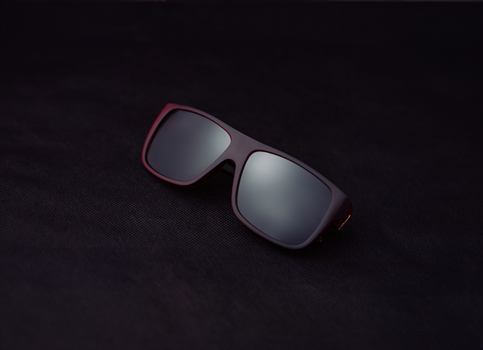
Photo by dmaniaxys bdj / Pexels
What Are Polarised Lenses?
Polarised lenses contain a special chemical film that acts as a vertical filter, blocking horizontally oriented light waves that create glare. This technology works similarly to venetian blinds, allowing vertical light to pass through while filtering out horizontal reflections from surfaces like water, snow, car hoods, and wet roads.
The polarisation process involves laminating a thin polarising film between two lens layers or applying it as a coating. This creates a lens that reduces glare by up to 99% while maintaining optical clarity. The filter is precisely oriented to block reflected light without affecting normal vision.
How Polarisation Technology Works
Light waves vibrate in multiple directions, but when light reflects off flat surfaces, it becomes horizontally polarised, creating intense glare. Polarised lenses contain microscopic crystals aligned vertically, which selectively block these horizontal light waves. This selective filtering is what makes polarised lenses particularly effective for outdoor activities.
The effectiveness of polarisation is measured by the lens's ability to block horizontally polarised light while transmitting vertically polarised light. High-quality polarised lenses achieve 95-99% efficiency in glare reduction.
Shop the frames in this guide


Non-Polarised Lenses: Standard Protection
Non-polarised lenses, also called standard tinted lenses, reduce overall light transmission without selectively filtering glare. They work by absorbing or reflecting a percentage of all light wavelengths equally, providing general sun protection through uniform darkening.
These lenses rely on tint density and UV-blocking coatings for protection. They're available in various tint levels, typically ranging from 10% light transmission (very dark) to 85% (light tint). The darkness level affects comfort in bright conditions but doesn't specifically target reflected glare.
Advantages of Non-Polarised Lenses
- Digital screen compatibility: No interference with LCD displays, smartphones, or navigation systems
- Instrument visibility: Pilots and drivers can read digital dashboards without difficulty
- Cost effectiveness: Generally 20-40% less expensive than polarised alternatives
- Universal use: Suitable for all lighting conditions and activities
- No colour distortion: Maintains natural colour perception across all surfaces
Key Differences and Performance Comparison
| Feature | Polarised Lenses | Non-Polarised Lenses |
|---|---|---|
| Glare Reduction | 95-99% from reflective surfaces | 20-30% general light reduction |
| Screen Visibility | May cause LCD blackout | Full compatibility |
| Price Range | €45-120 (lenses only) | €29-80 (lenses only) |
| Best For | Water sports, driving, snow activities | General wear, aviation, digital work |
| Durability | Film may delaminate over time | Tint integrated, more stable |
Real-World Performance Scenarios
Driving in Helsinki's winter conditions: Polarised lenses excel when navigating snow-covered roads and dealing with low-angle sun glare. However, they may make it difficult to see ice patches, which appear as dark spots due to polarisation effects.
Baltic Sea activities near Turku: Polarised lenses dramatically improve visibility on water by cutting surface glare, making them essential for boating, fishing, or waterside activities. The glare reduction can improve visual comfort by 60-80% compared to non-polarised options.
Urban environments in Espoo or Oulu: Non-polarised lenses often perform better for city use, especially when frequently checking phones, using public transport displays, or working with digital devices outdoors.
Choosing the Right Option for Your Lifestyle
Your daily activities and visual needs should drive your lens choice. Consider these factors:
Choose Polarised Lenses If You:
- Spend significant time around water, snow, or reflective surfaces
- Experience frequent eye strain from glare during outdoor activities
- Drive regularly during sunrise or sunset hours
- Participate in fishing, boating, or winter sports
- Have light-sensitive eyes or certain eye conditions
Choose Non-Polarised Lenses If You:
- Work frequently with digital devices outdoors
- Need to read aircraft instruments or automotive displays clearly
- Prefer maximum versatility across different lighting conditions
- Want the most cost-effective sun protection option
- Experience dizziness or discomfort with polarised lenses
Professional insight: Many optometrists recommend starting with non-polarised lenses for first-time sunglass wearers. This allows adaptation to tinted vision without the additional sensory changes that polarisation introduces.
Quality Polarised and Non-Polarised Options
For Finnish customers seeking premium eyewear with European delivery, several factors ensure optimal lens performance. Lensdy offers both polarised and non-polarised prescription sunglasses with professional-grade lenses, shipping to Helsinki, Turku, Oulu, Espoo, and across Finland within 1–2 weeks.
Popular frame options include the Cedar with its classic acetate construction, perfect for polarised lenses in outdoor settings. The Tempest features a modern metal design ideal for both lens types, while the Sage offers lightweight titanium construction for extended wear comfort.
For versatile year-round use, the Flicker frame accommodates both standard and polarised prescriptions with style suitable for Finland's varied climate conditions.
Lensdy's London-based team (128 City Road, EC1V 2NX) provides prescription lenses starting from €29, with over 200 frame styles and free shipping on orders over €59 across Europe. Each lens undergoes quality testing to ensure optimal visual performance whether polarised or non-polarised.
Frequently Asked Questions
Can I add polarisation to existing prescription lenses?
Polarisation cannot be added to existing lenses as it requires integration during the manufacturing process. The polarising film must be laminated between lens layers or applied during initial coating. You'll need new lenses to obtain polarised protection.
Do polarised lenses provide better UV protection?
Not necessarily. UV protection comes from specific coatings or lens materials, independent of polarisation. Both polarised and non-polarised lenses can offer 100% UV protection. Always verify UV rating rather than assuming polarisation provides superior sun protection.
Why do some people feel dizzy wearing polarised lenses?
Polarised lenses alter visual perception by filtering reflected light, which can affect depth perception and spatial awareness. Some individuals experience temporary dizziness or disorientation, particularly when transitioning between different surface types. This typically resolves within a few days of consistent wear.
Are polarised lenses worth the extra cost for occasional use?
For occasional outdoor activities, non-polarised lenses often provide sufficient protection at lower cost. However, if your occasional use involves water sports, driving in bright conditions, or snow activities, the glare reduction benefits may justify the additional expense.
Ready to experience the difference? Explore Lensdy's complete collection of prescription sunglasses with both polarised and non-polarised options, all backed by European shipping and professional optical expertise.