
Mirrored vs Tinted Sunglasses: Performance and Style Breakdown
Mirrored sunglasses bounce light off the surface; tinted lenses soak it up. Those two approaches feel and wear differently day to day.
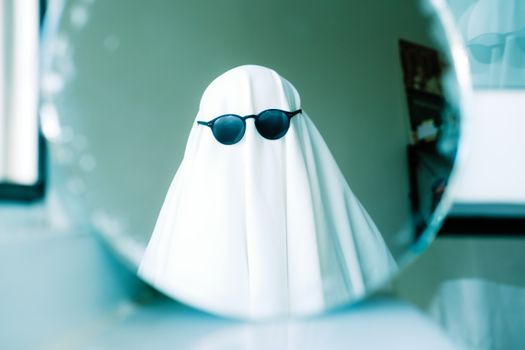
Photo by Beyzaa Yurtkuran / Pexels
The key difference lies in how each lens type handles light. Mirrored coatings create a reflective barrier on the lens surface, bouncing light away before it reaches your eyes. Tinted lenses work by absorbing specific wavelengths of light as it passes through the lens material itself. This core distinction affects everything from glare reduction to scratch resistance, making each type better suited to different activities and environments.
How do mirrored and tinted lenses actually work?
Mirrored lenses feature a thin metallic coating applied to the front surface of the lens, typically containing aluminium, chromium, or silver particles. This coating reflects incoming light like a one-way mirror, allowing you to see out while others see a reflective surface. The base lens underneath still has a tint, but the mirror coating does most of the light-blocking work. Tinted lenses achieve light reduction through dyed lens material that absorbs specific light wavelengths. Grey tints absorb light evenly across the spectrum, brown enhances contrast by filtering blue light, and green provides good contrast while maintaining colour accuracy. The absorption happens throughout the lens thickness, not just at the surface.
This fundamental difference explains why mirrored lenses often feel more comfortable in extremely bright conditions. The reflection prevents light from entering the lens system entirely, while tinted lenses must absorb the light after it enters, potentially creating more heat buildup.
Shop the frames in this guide


Which type blocks more glare and bright light?
Mirrored lenses provide superior glare reduction in high-intensity light situations, particularly around reflective surfaces like water, snow, or car windscreens. The mirror coating bounces a share of incoming light before it reaches the base tint, so you get a second barrier on top of the tint. Tinted lenses cut light according to how dark the tint is, which is enough for most daily use but can feel thin in extreme brightness. The key advantage of mirrors becomes apparent on boats, ski slopes, or bright summer days in cities like Amsterdam where canal reflections create intense glare.
However, tinted lenses offer more consistent light reduction. Mirror coatings can vary in effectiveness depending on the angle of incoming light, while tints provide steady absorption regardless of light direction.
Light transmission comparison
- Light mirrored lenses: still fairly bright; better on overcast days or lower glare
- Dark mirrored lenses: cut hard glare; better for snow, water, or bright midday
- Medium tinted lenses: everyday driving and walking in normal sun
- Dark tinted lenses: stronger sun, beaches, and high-glare spots
Do mirrored coatings scratch more easily than tints?
Mirrored coatings are more vulnerable to surface damage because the reflective layer sits on the lens exterior, directly exposed to contact with keys, cleaning cloths, and environmental debris. The metallic particles that create the mirror effect can chip or wear away with repeated cleaning or minor impacts, creating permanent spots where the coating is damaged. Quality mirrors include protective overcoats, but these add only limited protection. Tinted lenses prove more durable because the colour is integrated into the lens material itself. Surface scratches may affect clarity but won't remove the tint since it extends through the entire lens thickness. However, the base lens under a mirror coating is just as scratch-resistant as any tinted lens, the vulnerability is purely in the coating layer.
Professional cleaning becomes more critical with mirrored lenses. Using proper microfibre cloths and lens cleaners helps preserve the coating, while paper towels or clothing can cause microscratches that accumulate over time.
Which looks more professional or stylish?
Tinted lenses generally appear more professional and workplace-appropriate because they don't create the reflective barrier that can feel impersonal in conversations. Classic grey, brown, or green tints allow some eye contact while maintaining sophistication. Mirrored lenses make a bolder style statement and work excellently for casual, sporty, or fashion-forward looks, but the reflective surface can feel too intense for office environments or formal meetings. The mirror effect also dates more quickly, specific mirror colours like blue or gold can look distinctly tied to particular fashion periods, while neutral tints remain timelessly appropriate.
Cultural context matters too. In business settings across Europe, subtle tints are generally preferred over pronounced mirrors, though this varies by industry and personal style preferences.
Style versatility ranking
| Lens Type | Casual | Professional | Sporty | Fashion |
|---|---|---|---|---|
| Grey tint | Excellent | Excellent | Good | Good |
| Brown tint | Excellent | Very good | Good | Very good |
| Silver mirror | Very good | Fair | Excellent | Very good |
| Coloured mirror | Good | Poor | Very good | Excellent |
How much do mirrored vs tinted prescription lenses cost?
Mirrored coatings typically add €20-40 to prescription sunglass lens costs compared to standard tints, though this varies significantly by coating quality and lens complexity. The additional cost reflects the specialized vacuum deposition process used to apply metallic mirror layers, plus the precision required to achieve uniform coating thickness. Tinted lenses cost roughly the same as clear lenses since the tinting happens during lens manufacturing rather than as a separate coating step. Progressive or high-index prescription lenses increase costs for both options equally. The mirror coating cost remains consistent whether applied to single vision or varifocal lenses.
Consider that mirror coating replacement isn't possible if damaged, you'd need entirely new lenses, while tinted lenses only need replacement if the base lens is damaged.
Can you add mirror coating to existing tinted lenses?
Mirror coatings cannot be reliably added to existing lenses after manufacturing because the process requires controlled vacuum conditions and precise temperature cycling that most lens materials cannot survive twice. The coating must be applied during lens production when the substrate is prepared specifically for metallic deposition. Attempting to add mirrors post-production often results in poor adhesion, uneven coating, or lens warping. If you want mirrored prescription sunglasses, order them with the coating from the start.
This limitation makes lens selection more important upfront, you can't easily upgrade tinted lenses to mirrors later without replacing the entire lens.
Prescription considerations
- High prescriptions: Tints work better on thick lenses where mirrors might emphasize edge thickness
- Progressive lenses: Both options work equally well
- Photochromic compatibility: Mirrors typically cannot combine with photochromic technology
- Anti-reflective coating: Applied to the back surface of both lens types
Which performs better for driving and sports?
Tinted lenses prove superior for driving because they provide consistent glare reduction without the directional variability of mirrors, and they don't create the dashboard reflections that mirrors can produce on car interior surfaces. Grey tints maintain accurate colour perception for traffic lights and road signs, while brown tints enhance contrast on overcast days. Mirrored lenses excel in water sports, skiing, and outdoor activities where extreme brightness and surface glare dominate. The high reflectivity helps in conditions where tinted lenses alone feel insufficient, such as sailing in Groningen's lakes or cycling through snow-covered areas. However, mirrors can be problematic for sports requiring precise depth perception since the coating can slightly alter distance judgment.
For prescription sports glasses, consider that impact resistance matters more than coating type, both mirrors and tints can be applied to safety-rated lens materials.
Ready to choose between mirrored and tinted prescription sunglasses? Lensdy offers both options across our sunglasses collection, with over 200 frame styles and affordable prescription lens options. Our Eclipse Black and Eclipse Mint frames work beautifully with either coating type, while the Shield Black offers a sporty option perfect for mirrored lenses. All orders over €59 qualify for free shipping on orders over €59, with most deliveries arriving within 1-2 weeks.
Browse our complete range at lensdy.com to find the perfect prescription sunglasses for your needs and style preferences.