

How to Order Single Vision Lenses Online Without Mistakes
Understanding Single Vision Lenses
Single vision lenses contain one prescription power across the entire lens surface, designed to correct either distance vision (myopia), near vision (hyperopia), or astigmatism. Unlike progressive or bifocal lenses, they provide consistent optical correction without multiple viewing zones.
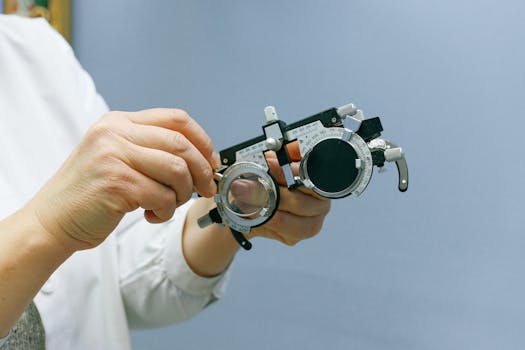
Photo by Anna Shvets / Pexels
These lenses represent approximately 75% of all prescription eyewear sold globally, making them the most common lens type. The manufacturing process involves precise curve calculations based on your prescription values, ensuring optimal visual acuity at your intended viewing distance.
Essential Measurements You Need
Accurate measurements determine whether your single vision lenses will provide clear, comfortable vision or cause headaches and distortion.
Pupillary Distance (PD) Precision
Your PD measurement positions the optical centre of each lens directly over your pupils. A 2mm error can cause eye strain, double vision, or headaches. Professional measurements typically range from 54mm to 74mm for adults.
Self-measurement tip: Use a millimetre ruler and measure from the centre of one pupil to the centre of the other while looking straight ahead. Take three measurements and use the average.
Segment Height Considerations
For single vision lenses, segment height affects where you look through the lens. Computer glasses should sit 2-3mm below your pupil centre, while distance glasses work best with the pupil centred in the lens.
Choosing the Right Lens Material
Lens material affects thickness, weight, impact resistance, and optical clarity. The refractive index determines how much light bends through the material.
| Lens Index | Prescription Range | Thickness | Best For |
|---|---|---|---|
| 1.56 (Standard) | ±2.00 or less | Thickest | Low prescriptions, budget-conscious |
| 1.61 Mid-Index | ±2.00 to ±4.00 | 25% thinner | Moderate prescriptions |
| 1.67 High-Index | ±4.00 to ±6.00 | 35% thinner | Strong prescriptions |
| 1.74 Ultra-High | ±6.00+ | 45% thinner | Very strong prescriptions |
For prescriptions above ±3.00, higher index materials prevent the "bottle-bottom" appearance and reduce lens weight significantly.
Coating Options That Matter
Lens coatings enhance durability, visual comfort, and appearance. Each coating serves a specific purpose beyond basic vision correction.
Anti-Reflective Coating
Quality AR coatings eliminate 99% of surface reflections, improving night driving vision and reducing eye strain during computer work. Multi-layer coatings outperform single-layer options by preventing colour fringing and maintaining clarity longer.
Blue Light Protection
Blue light blocking coatings filter 15-30% of high-energy visible light between 400-450nm wavelengths. Most effective for people spending 6+ hours daily on digital devices, particularly beneficial for evening screen use in Warsaw's tech sector or Kraków's growing IT industry.
Photochromic Technology
Photochromic lenses darken automatically in UV light, transitioning from clear to tinted in 30-60 seconds. They lighten indoors within 2-5 minutes, though cold temperatures slow the process.
Common Ordering Mistakes to Avoid
- Incorrect PD measurement: Double-check your pupillary distance. A 1mm error causes noticeable discomfort.
- Wrong lens index selection: Choosing 1.56 index for prescriptions above ±3.00 results in thick, heavy lenses.
- Skipping AR coating: Uncoated lenses reflect 8% of light, causing glare and reducing visual clarity.
- Ignoring frame size: Large frames with high prescriptions create distortion at lens edges.
- Prescription verification: Ensure your prescription is current (within 2 years) and includes all necessary measurements.
Frame Selection for Single Vision Lenses
Frame choice significantly impacts lens performance and appearance. Consider these factors when selecting frames for single vision prescriptions.
Frame Size and Prescription Strength
Higher prescriptions work better in smaller frame sizes. Large frames with strong prescriptions create peripheral distortion and increase lens thickness at edges.
For prescriptions above ±4.00, choose frames with lens widths under 52mm and avoid oversized styles that expose lens edges.
Material Compatibility
Some lens materials require specific frame types. High-index lenses work well in metal frames like our Seraphine or Crystalline collections, while standard index lenses suit acetate frames perfectly.
Professional Tips from Opticians
Lens centration matters more than you think: Even with correct PD measurements, improper lens mounting can cause prismatic effects. Quality online retailers use precision equipment to ensure accurate centration.
Consider your lifestyle: Computer workers benefit from slight modifications to distance prescriptions, while drivers need optimized peripheral vision. Discuss these needs when ordering.
Temperature affects photochromics: These lenses react slower in cold weather and may not darken fully behind car windscreens due to UV filtering glass.
Why Choose Lensdy for Single Vision Lenses
Lensdy combines London precision with European accessibility, offering over 200 frame styles with prescription lenses starting from €29. Our Prescription Glasses collection includes options like the classic Roseveil and modern Twilight frames.
Based at 128 City Road, London EC1V 2NX, we provide free shipping on orders over €59 across Europe, with delivery to Poland within 1–2 weeks. Our lens options include all major indices (1.56, 1.61, 1.67, 1.74), anti-reflective coatings, blue light protection, and photochromic technology.
Every pair undergoes quality control checks before dispatch, ensuring accurate centration and optimal visual performance.
Frames mentioned in this article


Frequently Asked Questions
How long do single vision lenses last?
Quality single vision lenses typically last 2-3 years with proper care. Scratches, coating wear, or prescription changes may require earlier replacement. High-index materials generally offer better durability than standard plastic.
Can I use my old frame with new single vision lenses?
Existing frames can accommodate new lenses if they're structurally sound and the correct size for your prescription. Frames over 3 years old may become brittle during lens installation, risking breakage.
Do single vision lenses work for computer use?
Standard distance prescriptions may cause strain during extended computer work. Consider blue light coatings or slight prescription modifications for optimal digital device comfort. Anti-reflective coating is essential for screen work.
What's the difference between online and high-street single vision lenses?
The lens quality is identical when using reputable online retailers with professional equipment. The main differences are convenience, price, and fitting expertise. Online retailers like Lensdy offer significant cost savings with professional standards.
Ready to order your perfect single vision lenses? Browse our extensive collection at lensdy.com and experience the difference quality makes.