

Day vs Night Driving: Why Your Glasses Make All the Difference
The Hidden Problem Most Drivers Face
Your prescription glasses might be perfect for reading menus or computer screens, but step behind the wheel after sunset and everything changes. Night driving creates unique visual challenges that standard eyewear simply wasn't designed to handle. Understanding these differences isn't just about comfort—it's about safety.
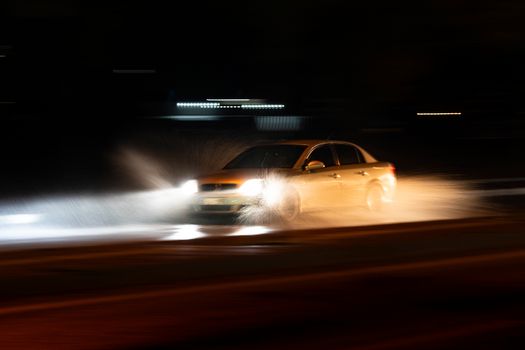
Photo by Emre Mavi / Pexels
The contrast between day and night driving demands fundamentally different optical solutions. While daytime driving requires protection from bright sunlight and UV rays, nighttime driving prioritises maximum light transmission and glare reduction from oncoming headlights.
Why Standard Glasses Fail After Dark
Most prescription glasses are optimised for general indoor and outdoor use, not the specific conditions drivers face. During night driving, your pupils dilate to capture more light, but this also makes you more sensitive to glare from headlights and streetlamps.
Common nighttime vision problems include:
- Halos around lights caused by lens aberrations
- Reduced contrast sensitivity in low-light conditions
- Glare scatter from reflective surfaces on lenses
- Eye strain from constantly adjusting to light changes
The lens index you choose makes a significant difference here. Higher index lenses (1.67 or 1.74) create more internal reflections, potentially worsening night vision issues compared to standard 1.56 index lenses.
Daytime Driving: Protection vs Performance
Bright sunlight creates its own set of challenges. UV radiation damages your eyes over time, while intense glare reduces visibility and causes fatigue. For daytime driving, you need lenses that block harmful rays while maintaining clear vision.
| Condition | Primary Challenge | Lens Solution |
|---|---|---|
| Bright Sun | UV damage, intense glare | Prescription sunglasses or photochromic lenses |
| Variable Light | Tunnels, bridges, shade | Photochromic lenses that adapt quickly |
| Reflective Surfaces | Glare from cars, roads, water | Anti-reflective coating essential |
Photochromic lenses excel in variable lighting conditions, darkening automatically in bright sunlight and clearing indoors or in low light. However, they don't work inside cars as effectively because windscreens block the UV rays that trigger the transition.
The Frame Factor for Day Driving
Larger frames provide better peripheral vision coverage—crucial when checking blind spots or monitoring traffic. The Luxe frame style offers excellent coverage while maintaining a professional appearance suitable for both Warsaw business districts and weekend drives to Kraków.
Night Driving: Maximum Clarity is Everything
For night driving, lens treatments become more critical than lens material. Anti-reflective coating isn't optional—it's essential. This coating eliminates internal reflections that create distracting glare patterns, especially from LED headlights.
Optimal night driving lens specifications:
- Anti-reflective coating on both surfaces
- Lower lens index (1.56 or 1.61) for fewer internal reflections
- Larger lens area for maximum field of view
- No tints or coatings that reduce light transmission
Avoid blue light blocking lenses for night driving. While these lenses filter HEV/blue light during computer use, they can reduce the small amount of available light your eyes need for safe night driving.
Frame Considerations for Night Visibility
Thin frame profiles minimise visual obstructions. Rimless frames offer maximum visibility, though they require more careful handling. The Jasper design provides a good compromise—minimal visual interference with sturdy construction.
The Professional's Secret: Dedicated Driving Glasses
Many driving professionals keep separate glasses for different conditions. This isn't excessive—it's practical. Your computer glasses optimised for 60cm viewing distance aren't ideal for focusing on objects 50+ metres away while driving.
Consider this approach:
- Daytime driving: Prescription sunglasses from our Sunglasses collection
- Night driving: Clear lenses with premium anti-reflective coating
- Variable conditions: Photochromic lenses as your primary pair
Progressive Lens Users: Special Considerations
Progressive lenses require careful fitting for driving. The distance portion should align perfectly with your natural driving posture. Poorly fitted progressives force you to tilt your head to find the clear zone, creating dangerous blind spots.
When ordering progressives for driving, specify your typical driving position during the fitting process. The optical centre should align with where your eyes naturally look when checking mirrors and scanning the road.
Common Mistakes That Compromise Safety
Scratched lenses scatter light dramatically—replace them immediately if damaged. Old anti-reflective coatings that have degraded actually increase reflections rather than reducing them.
Transition lenses work poorly in cars because windscreens filter UV light. Keep dedicated prescription sunglasses in your vehicle rather than relying solely on photochromic lenses for daytime driving protection.
The Maintenance Factor
Clean lenses are crucial for safe driving. Smudges, fingerprints, and dust create light scatter that reduces visibility. Use proper lens cleaning cloths—never your shirt or tissue paper, which can scratch anti-reflective coatings.
Finding Your Perfect Driving Glasses
At Lensdy, we understand that driving glasses need to perform differently than everyday eyewear. Our 200+ frame styles include options specifically suited for automotive use, from wraparound designs for maximum coverage to lightweight titanium frames that won't slide during long drives.
Based in London at 128 City Road, EC1V 2NX, we ship across Europe with most orders arriving within 1–2 weeks. Our affordable prescription lenses include all the coatings and treatments essential for safe driving, with free shipping on orders over €59.
Whether you need dedicated night driving glasses with premium anti-reflective coating or daytime prescription sunglasses, our lens experts can help you choose the optimal specifications for your driving conditions.
Ready to improve your driving vision? Browse our complete collection at lensdy.com and discover frames designed for both style and safety on the road.
Frames mentioned in this article


