
5 Key Facts About How Long Your Glasses Prescription Stays Valid
Your glasses prescription isn't valid forever, and using an expired one could mean blurry vision or eye strain during important moments.
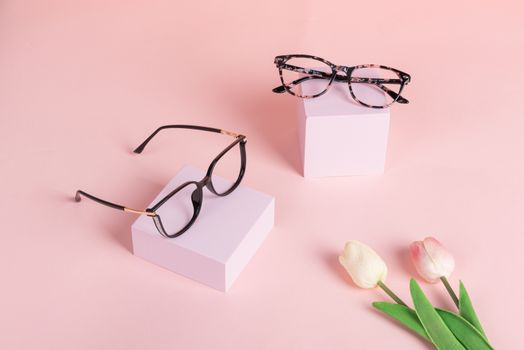
Photo by GlassesShop GS / Pexels
Most glasses prescriptions remain valid for two years from the date of your eye examination, though this varies by country and your specific eye health needs. Prescriptions for children or people whose vision is changing quickly are often given a shorter period, and the exact rules depend on your country and your optometrist's assessment.
How long do glasses prescriptions actually last?
Two years is a common validity period in Europe, but rules differ between countries and several factors influence the exact timeframe. Your optometrist determines this based on your age, eye health stability, and any underlying conditions that might affect your vision. Children and teenagers typically receive shorter validity periods because their eyes change more rapidly during growth phases. Adults over 40 often get annual check-ups recommended due to increased risks of age-related eye conditions, even if their prescription remains technically valid for longer periods. People with diabetes, glaucoma, or other eye conditions may need more frequent examinations regardless of prescription stability. The two-year standard assumes your vision remains relatively stable, but your optometrist may specify a shorter period if they detect early signs of changes or want to monitor specific concerns more closely.
Prescription validity by age group
- Children: Often a shorter period, because their eyes are still developing
- Adults with stable vision: Often around two years
- Adults over 40: More frequent checks are often recommended, as near vision starts to change
- Older adults: Regular eye health checks matter regardless of prescription validity
Shop the frames in this guide


What happens when your prescription expires?
An expired prescription doesn't automatically make your current glasses useless, but it does prevent you from ordering new ones until you get a fresh eye examination. Many opticians and online stores ask for a recent prescription, because an outdated one can leave you with lenses that no longer match your eyes. Your existing glasses remain perfectly fine to wear even after the prescription expires, assuming your vision hasn't changed significantly since you got them. However, you might notice subtle changes in your eyesight that indicate your prescription needs updating. Common signs include increased eye strain during close work, difficulty focusing at certain distances, or headaches that seem related to visual tasks. If you experience these symptoms, book an eye test even if your prescription hasn't technically expired yet.
Signs you need a new prescription
- Squinting more often than usual
- Headaches after reading or computer work
- Blurry vision at distances that used to be clear
- Eye fatigue earlier in the day
- Difficulty seeing in low light conditions
Can you extend an expired glasses prescription?
You can't extend an expired glasses prescription without a new eye examination, because the validity period is there to make sure your eyes get checked again. Some people assume they can simply renew their prescription by confirming their vision hasn't changed, but this approach misses crucial aspects of comprehensive eye care. Eye examinations check far more than just your prescription strength: they screen for glaucoma, cataracts, retinal problems, and other conditions that can develop without obvious symptoms. Your optometrist uses specialized equipment to measure eye pressure, examine your retina, and assess overall eye health in ways that simple vision checks cannot replicate. Even if your prescription strength remains identical, regular examinations can detect early signs of serious conditions when they're most treatable.
Do all lens types follow the same prescription validity rules?
Different lens types and corrections generally follow the same prescription validity timeframes, but progressive and complex prescriptions often benefit from more frequent updates. Single vision prescriptions for basic near or distance correction tend to remain stable longest, making the standard two-year validity period quite practical for most wearers. Progressive lenses require more precise measurements and fitting considerations, so even small prescription changes can significantly impact comfort and visual quality. Blue light filtering, photochromic, and anti-reflective coatings don't affect prescription validity since they're additional features rather than vision corrections. However, people who spend long hours on digital devices might notice eye strain sooner than others, prompting earlier prescription reviews. Prescription sunglasses follow identical validity rules to regular glasses, though outdoor activities might make vision changes more noticeable due to varying light conditions and distances.
Special considerations for different prescriptions
- High prescriptions: May need more frequent monitoring for lens thickness and distortion
- Astigmatism corrections: Axis measurements can shift, affecting visual clarity
- Prism corrections: Often require closer monitoring due to underlying muscle issues
How to check when your prescription expires
Your prescription expiry date appears clearly on the prescription document your optometrist provides after your eye examination, typically printed near the examination date or highlighted in a separate validity section. The format varies between practices, but most show either an explicit expiry date or state the examination date with validity period noted separately. Keep your original prescription document safe, as you'll need it when ordering new glasses online or visiting different opticians. Many people photograph their prescription for convenience, which works well for online orders, but ensure the image captures all details clearly including any small print about validity periods or special instructions. If you've lost your prescription or cannot locate the expiry date, contact your optometrist's office directly, as they keep records of all examinations and can provide confirmation of validity status. Some modern practices offer online patient portals where you can access your prescription history and validity information at any time.
Getting new glasses with a valid prescription
Once you've confirmed your prescription remains valid, ordering new glasses becomes straightforward whether you choose high-street opticians or online retailers. Online eyewear stores often provide better value and wider frame selection, making them increasingly popular for prescription glasses purchases. When shopping online, you'll need your complete prescription details including sphere, cylinder, axis measurements for each eye, and your pupillary distance measurement. Many opticians include pupillary distance on prescriptions, but some measure it separately. It makes sure your lenses line up with your eyes. Consider your lifestyle needs when selecting frames and lens options: lightweight materials like titanium work well for all-day wear (the Delicate Blue is pure titanium), while acetate frames come in a wide range of colours and shapes. Progressive lens wearers should pay particular attention to frame height, as insufficient vertical space can limit the effectiveness of multifocal corrections.
For active lifestyles, consider frames designed for sports or outdoor activities. Navigator-style frames work well for general outdoor use, while specialized sports frames offer enhanced security during physical activities.
Lensdy prescription glasses start from €29, from round metal frames like the Glacier to aviators like the Skyward Black. Lenses come in single vision or progressive, with 1.61, 1.67 and 1.74 high-index upgrades for stronger prescriptions. Shipping is free on orders over €59, and most orders arrive within 1 to 2 weeks.
Frequently Asked Questions
Can I use a prescription that's a few days past expiry?
Policies differ between sellers, but the expiry date is the period your optometrist considers the prescription reliable. If it has run out, the safest choice is a new eye test before you order.
Do I need a new prescription if I only want different frames?
You need a valid prescription regardless of whether you're changing frames or just replacing lenses. However, if your current prescription hasn't expired, you can use it to order new glasses with different frames without getting a new eye examination.
How much does a new eye examination typically cost?
Eye examination prices vary a lot by country and provider, and some health systems or insurers cover part of the cost. Ask your local optician for their price, and check whether a fuller eye health check is included.
Can my prescription change even within the validity period?
Yes, your vision can change at any time regardless of prescription validity. If you notice vision problems before your prescription expires, book an eye test rather than waiting for the official expiry date. Your eye health is more important than administrative timelines.
Ready to order new glasses with your valid prescription? Browse our complete selection of prescription glasses at lensdy.com and find your perfect frames today.